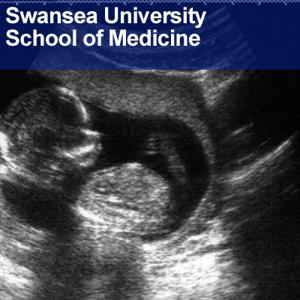
Sam and Rhiannon finally get around to the development of the nervous system, and talk about neurulation, development of the brain, the ventricles, the spinal cord, and the spinal nerves.
Here's our second video podcast. Rhiannon paints the borders of the anterior triangle of the neck and some of the important structures within on Sam's neck.
We're adding to the embryology audio podcast series with some anatomy videos. In our first video podcast Rhiannon runs through the boundaries of the posterior triangle of the neck and highlights some important structures by painting them on Sam's neck.
We talk about the structures within each of the pharyngeal arches and what they will form into. We also link to cardiovascular embryology and mention Chuck Norris.
To complete our discussion of the developing cardiovascular system we call on Dr Geraint Morris again to help explain what changes normally occur with birth. We also find out about the many problems and complications that he sees when these changes don't occur quite as they should.
We talk about the initial formation of the cardiovascular system, and discuss the development of some of the major arteries and veins, comparing embryological and foetal structures with those of the adult.
29 min
About Swansea University Medical School: Anatomy and Embryology
From the publisher's feed
['A series of human embryology and anatomy podcasts linked to the teaching at the Swansea University College of Medicine, but hopefully helpful to all students with an interest in how we are made.',…
'A series of human embryology and anatomy podcasts linked to the teaching at the Swansea University Medical School, but hopefully helpful to all students with an interest in how we are made.']