Systems for Sanity

Systems for Sanity

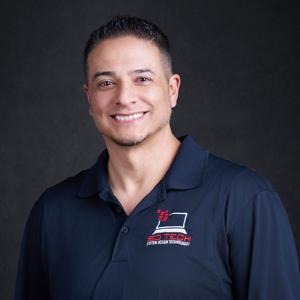
By Wes UlmerTechnology
Download on the App Store

Systems for Sanity episodes

  • What the Next Generation of Health Clubs Looks Like (Inside Sozo Club) 02/17/26 SFS Podcast
    In this conversation, Wes Ulmer and Herb Lipsman discuss the innovative concept of Sozo Clubs, a new type of health and wellness facility designed to cater to adults seeking a holistic approach to wellness. They explore the importance of community, technology integration and creating a supportive environment for members. Herb shares insights on the target audience, unique features of the clubs and the vision for the future, emphasizing the need for a reset space in today's fast-paced world.

    Connect With Us On LinkedIn
    Wes Ulmer - https://www.linkedin.com/in/we...
    Herb Lipsman - https://www.linkedin.com/in/he...

    Takeaways
    - Sozo Clubs aim to provide a holistic wellness experience.
    - The target audience is adults aged 30 and over.
    - Community and networking are central to the club's concept.
    - Technology will play a key role in enhancing member experience.
    - A performing arts theater will attract non-exercisers to the club.
    - The club will focus on creating a culture of connection and support.
    - AI will be leveraged for member matching and feedback.
    - The importance of company culture in service-oriented businesses.
    - Herb's experience in the health club industry informs the club's design.
    - The vision is to help members reset and rejuvenate regularly.

    Chapters
    00:00 Introduction and Initial Conversations
    05:43 The Concept of Sozo Clubs
    10:48 The Founders and Their Vision
    16:37 Creating Community and Social Wellness
    19:53 Innovative Technology in Sozo Clubs
    22:05 Revolutionizing Cleanliness in Health Clubs
    22:37 Collaborating with Industry Leaders
    24:12 Leveraging Technology for Employee Empowerment
    26:41 Creating a Culture of Continuous Learning
    31:56 Harnessing AI for Business Efficiency
    36:20 Building a Trust-Centric Company Culture
    39:30 Addressing Global Anxiety Through Community Spaces
    35 min
  • Why Company Culture Decides Success in Behavioral Health (and How AI Helps) 02/04/26 SFS Podcast
    What makes a behavioral health business work? Bill West shares his journey from a corporate career at AT&T to partner in a recovery and mental health facility and why culture, hiring and AI matter in a high-stress industry. He discusses the challenges and innovations in the recovery space, the importance of networking, the personal transformations that come with recovery and the lessons learned from the rapid expansion of their facilities. Bill and Wes also cover the balance between metrics and human connection, hiring and retention and how AI can improve efficiency without losing the human element.

    Connect With Us On LinkedIn
    Wes Ulmer - https://www.linkedin.com/in/we...
    Bill West - https://www.linkedin.com/in/bi...

    Takeaways
    - It's crucial to balance metrics with human connection in the industry.
    - Employee satisfaction directly impacts client care and outcomes.
    - The hiring process must be thorough to ensure the right fit.
    - Creating a supportive culture helps retain talent in high-stress environments.
    - AI can enhance efficiency without replacing the human element in care.
    - A strong company culture attracts the right talent and fosters retention.
    - Team-building activities can help alleviate stress among employees.
    - Understanding the emotional nature of the work is essential for management.
    - Investing in technology can streamline operations and improve client interactions.
    - Leadership should focus on empowering employees to reach their full potential.

    Chapters
    00:00 The Journey of Entrepreneurship
    02:31 Innovative Solutions for Inventors
    05:22 Networking and Collaboration in Business
    08:16 The Shift from Corporate to Entrepreneurial Life
    10:47 Personal Transformation and Recovery
    13:35 Building a Business in the Recovery Space
    16:09 Navigating Challenges in Business Expansion
    18:40 The Importance of Mental Health in Recovery
    21:19 Lessons Learned from the Recovery Journey
    42:17 Balancing Metrics and Human Connection
    44:37 Navigating High-Stress Environments
    45:59 The Importance of Hiring and Retention
    47:32 Creating a Supportive Company Culture
    52:08 The Role of AI in Behavioral Health
    01:04:33 Leveraging Technology for Efficiency
    56 min
  • How to Take a Product From Idea to Manufacturing (and Get It Sold) 02/03/26 SFS Podcast
    How do you take a product from idea to market? Shon Harker shares what he has learned designing and manufacturing fitness equipment, from rapid prototyping to finding customers, plus the realities of entrepreneurship. Wes and Shon also discuss podcasting, networking, the struggle to find marketing that works, identifying ideal customers, the risks of long-term contracts, the role of cybersecurity in modern business and the art of naming and branding a product.

    Connect With Us On LinkedIn
    Wes Ulmer - https://www.linkedin.com/in/we...
    Shon Harker - https://www.linkedin.com/in/sh...

    Takeaways
    - Podcasting can be a great way to network and meet new people.
    - Entrepreneurship is often more challenging than it appears.
    - Product development requires agility and quick iterations.
    - Building relationships is key to long-term business success.
    - Marketing strategies need to be carefully evaluated and tested.
    - Networking at trade shows can lead to valuable connections.
    - Understanding client needs is crucial for product success.
    - Automation can enhance efficiency but has its limitations.
    - The journey of product development is often filled with unexpected challenges.
    - Identifying ideal customers is crucial for business success.
    - Long-term contracts can lead to dissatisfaction if service quality declines.
    - It's important to fire underperforming employees quickly.
    - Cybersecurity is a vital aspect of modern business operations.
    - Branding and naming products can significantly impact marketability.
    - Manufacturing locally allows for better control over product quality.
    - Human relationships will be key in future business interactions.
    - Entrepreneurs should recognize their weaknesses and seek help.

    Chapters
    00:00 Navigating Technical Challenges in Virtual Communication
    02:20 The Purpose and Goals of Podcasting
    05:21 Entrepreneurial Journeys and Business Ownership
    07:53 The Reality of Passive Income and Entrepreneurship
    10:47 Challenges and Rewards of Business Ownership
    13:42 Innovations in Fitness Equipment Manufacturing
    16:36 From Concept to Market: The Product Development Process
    19:23 The Importance of Marketing and Reaching Customers
    30:23 From Concept to Production: Rapid Prototyping Success
    37:11 Navigating the Challenges of Entrepreneurship
    41:43 Building Client Relationships: The Power of Referrals
    48:57 Marketing Struggles: Finding the Right Partners
    56:32 Cybersecurity: Protecting Your Business from Threats
    01:05:56 The Evolution of Brand Names
    01:08:28 The Importance of Unique Branding
    01:10:34 Connecting with Customers
    01:12:39 The Realities of Entrepreneurship
    01:15:25 The Future of Human Relationships in Business
    01:17:16 Innovative Ideas for Product Development
    01:19:27 Exploring Podcasting for Business Growth
    01:22:18 The Process of Bringing Ideas to Life

    58 min
  • How Wearable Tech and AI Could Make Mental Health Care Proactive 02/02/26 SFS Podcast
    Can wearable technology and AI make mental health care proactive instead of reactive? Dr. Nick Allen, co-founder and CEO of Ksana Health, discusses his journey from academia to entrepreneurship, the challenges of building a team and the importance of technology in mental health care. He emphasizes the need for proactive approaches in mental health, the role of AI in supporting clinicians and the future of wearable technology in monitoring behavioral health. The discussion also touches on privacy concerns and the necessity of human oversight in AI applications.

    Connect With Us On LinkedIn
    Wes Ulmer - https://www.linkedin.com/in/we...
    Dr. Nick Allen - https://www.linkedin.com/in/ni...

    Takeaways
    - Dr. Nick Allen transitioned from academia to entrepreneurship unexpectedly.
    - Ksana Health was founded to bridge the gap between research and clinical application.
    - Having a product ready at launch can significantly aid in generating revenue.
    - Early adopters are crucial for product feedback and improvement.
    - Mental health care often operates reactively rather than proactively.
    - Wearable technology can provide continuous monitoring of mental health.
    - Privacy and data management are critical in health tech.
    - AI should augment human decision-making, not replace it.
    - The future of mental health care will involve more real-time data collection.
    - Understanding human behavior requires both subjective and objective data.

    Chapters
    00:00 Early Morning Conversations
    02:36 Introduction to Ksana Health
    05:01 The Journey to Entrepreneurship
    08:02 Building a Team and Generating Revenue
    10:45 Navigating Startup Challenges
    13:29 Product Development and Early Adoption
    16:14 Innovative Software Solutions for Mental Health
    18:50 Addressing Addiction and Recovery
    21:26 The Need for Proactive Mental Health Care
    24:18 Research and Technology in Mental Health
    26:41 Harnessing Data for Behavioral Insights
    29:18 Transforming Mental Health with Objective Measurement
    31:43 Navigating Privacy in Data Collection
    33:25 AI's Role in Summarizing Complex Data
    37:12 Augmenting Human Efforts with AI
    40:04 Diverse Learning Styles and AI Tools
    41:00 The Rapid Evolution of AI Technology
    43:25 Balancing Risks and Benefits of Technology
    50:23 Future of Mental Health with Wearable Tech
    53:22 Accessibility and Affordability in Mental Health Care
    52 min
  • How a Therapist Built a Thriving Practice (and Uses AI to Run It) 01/27/26 SFS Podcast
    In this conversation, Dr. Nitasha Strait discusses her journey in the field of therapy, the establishment of her practice, the Better You Institute and the various therapeutic approaches she employs. She emphasizes the importance of client engagement, the impact of therapy on individuals and couples and shares success stories that highlight the transformative power of therapy. The discussion also touches on the challenges of entrepreneurship, the significance of technology and automation in therapy and the importance of personal growth and leadership in running a successful practice.

    Connect With Us On LinkedIn
    Wes Ulmer - https://www.linkedin.com/in/we...
    Dr. Nitasha Strait - https://www.linkedin.com/in/ni...

    Takeaways
    - Dr. Nitasha Strait emphasizes the importance of client empowerment in therapy.
    - The Better You Institute offers a unique framework for therapy that includes awareness, change and integration phases.
    - Therapy can lead to significant transformations in clients' lives, especially in relationships.
    - Entrepreneurship in the therapy field comes with its own set of challenges and rewards.
    - Utilizing technology and automation can enhance the efficiency of therapy practices.
    - Creating protective factors in society is crucial to prevent mental health crises.
    - Therapists should align their methods with clients' goals for effective outcomes.
    - Networking and collaboration with other professionals can lead to growth and innovation.
    - Personal introspection is vital for effective leadership in business.
    - The journey of entrepreneurship requires resilience and adaptability.

    Chapters
    00:00 Introduction and Initial Greetings
    07:05 Exploring Therapy and Its Impact
    12:20 Understanding the Better You Institute
    26:44 The Journey of Entrepreneurship and Therapy
    34:14 Culinary AI: Cooking with Gordon Ramsay
    34:35 The Power of Brutal Honesty in AI
    35:57 Enhancing Franchise Presentations with AI Feedback
    37:43 Customizing AI for Business Needs
    39:59 The Role of AI in Business Development
    42:49 Mental Health Awareness and Community Support
    44:55 Empowering Clients Through Therapy
    47:44 Lessons from Experience: Leadership and Growth
    50:26 The Importance of Financial Guidance
    52:27 Navigating Technology in a HIPAA-Compliant World
    56:21 Automating Marketing and Payroll Challenges
    58:20 Connecting with the Better You Institute
    01:00:24 Creating a Positive Work Environment
    01:03:36 Implementing EOS for Business Success
    46 min
  • How to Run a Massage Business That Keeps Therapists and Clients Loyal 01/26/26 SFS Podcast
    In this conversation, Wes Ulmer and Michael discuss Michael's journey from IT to owning a massage therapy business. They explore the challenges of entrepreneurship, the importance of building strong relationships with therapists and the complexities of marketing in the massage industry. Michael shares insights on how he manages his business, the role of technology and the therapeutic process involved in massage therapy. The discussion highlights the balance between running a successful business and providing quality care to clients.

    Connect With Us On LinkedIn
    Wes Ulmer - https://www.linkedin.com/in/we...
    Michael Windsor - https://www.linkedin.com/in/mi...

    Takeaways
    - Michael transitioned from IT to massage therapy after realizing his passion for helping people.
    - He emphasizes the importance of treating therapists well to ensure business success.
    - Building strong relationships with clients is crucial for a successful massage practice.
    - Marketing in the massage industry can be challenging and requires careful strategy.
    - Michael has a 4.9 out of 5 stars rating on Google, showcasing his commitment to quality service.
    - He believes in the therapeutic process and the importance of client trust.
    - Automation and technology can enhance business operations but must be implemented thoughtfully.
    - Michael's approach to therapist management focuses on filling schedules and ensuring job satisfaction.
    - He discusses the balance between client care and business profitability.
    - The conversation underscores the value of personal connections in the wellness industry.

    Chapters
    00:00 Weather Talk and Personal Background
    04:20 Entrepreneurial Journey Begins
    17:50 The Path to Massage Therapy
    23:20 Building a Successful Business
    28:42 Creating a Desirable Workplace for Therapists
    31:31 Marketing Challenges in the Massage Industry
    34:37 Building Loyalty with Therapists and Clients
    38:37 Balancing Therapist Care and Customer Satisfaction
    42:06 Innovative Solutions for Last-Minute Cancellations
    43:34 Membership Models and Client Retention Strategies
    48:37 Navigating Attendance Policies and Employee Accountability
    53:03 The Therapeutic Relationship Between Client and Therapist
    01:00:08 Leveraging Technology in the Massage Business
    48 min
  • Why Medical Practices Lose Money on Billing (and How to Fix It) 01/26/26 SFS Podcast
    In this conversation, Wade Shields, a healthcare C-level interim executive, discusses his extensive experience in the healthcare sector, focusing on operational efficiency, financial performance and the challenges faced by medical practices. He shares insights on the importance of technology in healthcare, the dynamics of consulting and the operational challenges that arise in medical settings. Wade emphasizes the need for effective billing practices and the benefits of outsourcing versus in-house management. The discussion also touches on the importance of having an outside perspective to identify opportunities for improvement.

    Connect With Us On LinkedIn
    Wes Ulmer - https://www.linkedin.com/in/we...
    Wade Shields - https://www.linkedin.com/in/wa...

    Takeaways
    - Wade Shields has dedicated his career to healthcare consulting.
    - He helps medical practices realize their full reimbursement potential.
    - Operational efficiency is crucial for healthcare organizations.
    - Technology integration is often disjointed in healthcare settings.
    - Consultants can provide an objective view of operational challenges.
    - Outsourcing billing can lead to better financial outcomes.
    - Interim executives can stabilize operations during transitions.
    - Engagements often lead to significant financial recoveries.
    - Building relationships within organizations is key to success.
    - Continuous learning from various engagements enhances consulting effectiveness.

    Chapters
    00:00 Introduction and Technical Difficulties
    01:21 Wade Shields: Background and Expertise
    03:16 Operational Challenges in Healthcare
    06:04 Engagements and Turnaround Stories
    08:45 The Role of Technology in Healthcare
    11:15 Consulting Dynamics and C-Level Engagements
    13:50 Operational Efficiencies and Workflow
    16:31 Billing and Collections in Healthcare
    19:10 Outsourcing vs. In-House Billing
    21:48 Final Thoughts and Contact Information
    39 min
  • What No One Tells You About Starting a Med Spa (and How to Grow One) 01/15/26 SFS Podcast
    In this conversation, Wes Ulmer and Bonny Rollender discuss the growth and challenges of the aesthetics franchise business. They explore the importance of technology, client education and building a strong brand in the medical aesthetics field. Bonny shares her journey into aesthetics, the significance of hiring the right medical professionals and the strategies she employs to retain clients and increase revenue. The discussion also touches on the future of aesthetics, the role of community support and the potential for franchising opportunities in the industry.

    Connect With Us On LinkedIn
    Wes Ulmer - https://www.linkedin.com/in/we...
    Bonny Rollender - https://www.linkedin.com/in/bo...

    Takeaways
    - Franchise growth requires overcoming regulatory challenges.
    - Technology plays a crucial role in expanding business networks.
    - Understanding the medical aesthetic business is essential for success.
    - Building a brand involves educating clients and establishing trust.
    - Sales strategies and coaching can significantly impact revenue growth.
    - Having a medical director on-site enhances client trust and care.
    - Membership models can improve client retention and satisfaction.
    - Navigating business challenges requires adaptability and investment.
    - Community support is vital for growth in the aesthetics industry.
    - The future of aesthetics will heavily involve technology and automation.

    Chapters
    00:00 Franchise Development Journey
    02:31 Podcasting as a Networking Tool
    05:25 Exploring the Medical Aesthetics Industry
    08:19 The Role of Technology in Business
    11:05 Bonny's Journey into Aesthetics
    13:44 Challenges in the Medical Aesthetics Field
    16:14 Building a Trustworthy Brand
    19:01 Innovative Client Engagement Strategies
    21:30 Membership Models in Aesthetics
    24:29 Sales Coaching for Nurses
    28:52 Investing in Business Growth
    31:06 Lessons from the Early Days
    34:53 The Impact of Sales Consulting
    39:10 Streamlining Client Journeys
    42:28 Innovative Business Models in Aesthetics
    53:15 The Future of Technology in Aesthetics
    46 min

About Systems for Sanity

From the publisher's feed

Most businesses don’t fail because of bad ideas—they fail because of broken systems.

Systems for Sanity is a podcast by SD Tech that dives into the real-world technology and operational…