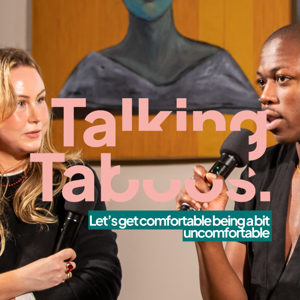
In this episode of Talking Taboos: The Podcast, we're tackling one of the most requested topics from our community this year: shame and SEND parenting.
This conversation explored the experiences of parents of children who are neurodivergent and have additional needs - not the version filtered for the school gates or social media, but the reality behind closed doors.
A quick explainer of the words we use here - SEND is the acronym used for Special Education Needs and Disability which relates to the support for children who have extra learning needs or disabilities.
For parents of neurodivergent children, the impacts of taboos can show up everywhere: in the gap between how a child "masks" at school and how they are at home, in the assumptions of other parents, and in the quiet guilt of not always managing to stay calm.
We're joined by Lisa (ASD with G&T), author of Raising the Semi-Betweeners and mum to two autistic children, who shares her own recent autism diagnosis and what it's taught her about self-compassion.
Lucie Dunrod-Simpson, a social worker and founder of Parentnet, talks about coaching other parents through diagnosis and recognising autistic burnout, and why so much of this experience happens without any dedicated support.
And Mark Allen, host of the Neuroshambles podcast and father to three neurodivergent children, reflects on learning to let go of shame by rewiring his own expectations rather than trying to change his kids.
Together, we talk about masking and not being believed, the pressure of "toxic positivity," where and how much parents feel able to share, and why simply hearing other parents say "me too" can be the thing that makes this all feel less lonely.
This episode is longer than usual, so we've split it into two parts. Part 2 continues the conversation and will land next week - covering community, humour, online judgement, and what actually helps.
Please note that this episode includes discussion of self-harm, disordered eating, suicidal ideation, distress, shutdowns, meltdowns, anger, and child-to-parent violence. Please listen with care.
If any of the experiences in this conversation have resonated with you, please know you're not alone. So much of parenting a neurodivergent child happens in private, but there are people who understand and places you can turn to.
For information and support around autism and neurodivergence, you can contact the National Autistic Society at autism.org.uk, or the PDA Society at pdasociety.org.uk.
For advice on SEND, EHCPs and navigating the education system, you can contact IPSEA (Independent Provider of Special Education Advice) at ipsea.org.uk.
For general support for parents of disabled or additional needs children, you can contact Contact at contact.org.uk.
If you or your child are struggling with distress, self-harm or suicidal thoughts, you can call Samaritans for free on 116 123, or contact Young Minds at youngminds.org.uk for support around a child or young person's mental health.
Links and details are in the show notes. Part 2 of this conversation continues next week.