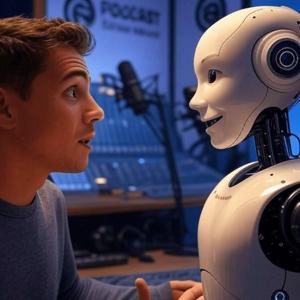
In this episode, Paul engages in a comprehensive investigation into the safety and potential risks of artificial sweeteners, featuring in-depth insights from Grock 4.1. The discussion kicks off by outlining the main types of artificial sweeteners—saccharin, aspartame, sucralose, neotame, acesulfame potassium, and stevia—detailing their pros, cons, and suitability for different dietary needs like diabetes and ketogenic diets. Special focus is given to cyclamate- and saccharin-based sweeteners such as Natrine, with an evidence-based breakdown of their regulatory history, particularly the U.S. ban versus continued approval in Europe, and a clear explanation of the current consensus on cancer and other health risks.
The conversation explores where lingering fears about sweeteners originate, untangling anecdotal reports from rigorous scientific findings. Paul and Grock dissect major observational studies, like the 2022 NutriNet-Santé French cohort, which found a modest correlation between high sweetener intake and increased heart disease risk, emphasizing the importance of distinguishing causation from correlation. Listeners learn how personal consumption levels compare to safety thresholds, the mechanisms behind the sweetness mismatch theory, and whether artificial sweeteners might actually increase cravings or calorie intake—ultimately concluding that, for most people using moderate amounts, the risks are minimal.
Additionally, the episode contrasts artificial sweeteners not only with each other, but also with natural alternatives and sugar itself. It reviews the digestive impacts and recent controversies around sugar alcohols like erythritol and xylitol, yet reaffirms that the health hazards of regular sugar intake are far more clearly established and severe. Paul's practical questions—about sweetener choices for tea, coffee, and jelly—are answered with science-backed nuance, empowering listeners to make informed dietary decisions while cutting through conflicting headlines.
🎙️ Hosted by Paul at Talking to AI — where real people, real problems, and real conversations meet artificial intelligence.