
Sign up to save your podcasts
Or

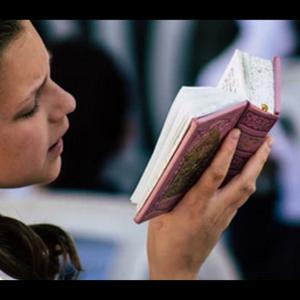


Each morning, before the day begins pulling us in every direction, we make a bracha over Torah. Is it only permission to learn—or is it recalibrating who we are before we begin living? This episode explores how Torah gives a Jew an inner center from which the rest of the day can unfold.
We ask Hashem to make the words of Torah sweet in our mouths—and then immediately ask that they remain with our children and future generations. What connects sweetness to transmission? This episode explores how Torah moves from something we know into something that becomes part of us—and therefore something others can feel.
We usually think of Torah as something we learn from a sefer, teacher, or shiur. Yet the bracha identifies Hashem Himself as the One teaching Torah to His people. What changes when learning Torah becomes not only the study of His words, but an encounter with the One still teaching them?
Asher Yatzar, La’asok B’Divrei Torah, and Asher Bachar Banu may seem to address three separate subjects. But why did Chazal place them in this precise sequence? This episode follows the movement from body, to mission, to covenant—and asks what the Siddur is quietly teaching us about becoming fully alive as a Jew.
Asher Yatzar speaks openly about the most physical and vulnerable functions of the human body—yet it concludes by placing us before the Kisei HaKavod. How can those two realities belong in the same bracha? This episode uncovers the unexpected holiness of the body and what it allows the neshama to accomplish.
We often say Asher Yatzar only after something has gone wrong—or while moving quickly to the next part of the morning. But the bracha pauses over openings, closings, fragility, and life itself. This episode invites us to hear how much wonder Chazal placed inside words that can so easily become routine.
Wouldn’t prayer be more personal if we simply spoke to Hashem in our own words? Why did Chazal give us a carefully structured Siddur instead? This episode explores how words written long before our own lives may help us express parts of ourselves that we could not have reached alone.
Washing our hands seems like the simplest physical act at the beginning of the day. Yet Chazal transformed it into the first deliberate preparation for avodas Hashem. What are we leaving behind—and what are we preparing ourselves to enter—when the water first touches our hands?
Each morning, the world seems to return: light reappears, movement begins, and the neshama is restored. But why does tefilah describe this renewal through the language of kindness? This episode explores the quiet chesed hidden inside the fact that life begins again at all.
We say that we wait for Mashiach every day—but what does waiting look like when life continues normally and redemption still feels distant? This episode examines whether waiting is passive hope or a way of living now, with our eyes and actions directed toward the future Hashem promised.
From the publisher's feed
The words of Jewish prayer may be familiar, but their meaning can still surprise us. Tefilah Today uncovers the Torah sources, questions in the wording, structure, and personal messages within the prayers we say—helping us approach Hashem with greater understanding and connection.
Hosted by Mrs. Baila Yaniv.