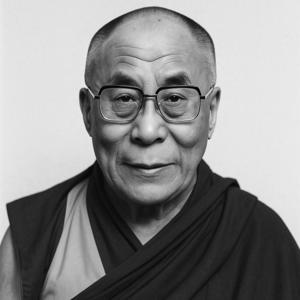
The 14th Dalai Lama Biography Flash a weekly Biography.
In the last few days, the 14th Dalai Lama has been quietly but unmistakably active, blending intimate spiritual encounters with the slow drumbeat of major milestones on the horizon. According to the official account of the Central Tibetan Administration on Instagram, His Holiness granted an audience to more than 410 visitors, mostly Tibetans, at his residence in Dharamshala on June 3, 2026, a reminder that at nearly ninety, he is still personally engaging with large groups of devotees in the place he has called home in exile for decades. That ongoing face to face contact, especially with younger Tibetans, is likely to be remembered as a key feature of his late life period.
TibetTV and related Buddhist media have amplified fresh clips of His Holiness outlining his four principal commitments, stressing that understanding our own feelings is the basis for inner peace and asking pointedly, If we dont know how our mind works, how can we hope to find peace? These short reels, posted over the past few days, show him seated, speaking in a steady voice about compassion, warm heartedness, and universal responsibility, and they continue the long biographical arc of the Dalai Lama as a global ethics teacher reaching millions through digital platforms rather than stadium tours.
Several popular Instagram and Facebook pages focused on Buddhist wisdom have also been pushing new or newly edited video snippets in the last 72 hours, highlighting his message that true self interest lies in caring for others and that warm heartedness is the key to a happy life. While these are not official policy statements, the repetition and virality of these quotes suggest that late in life, his soundbite legacy may become as biographically important as his books and formal lectures.
One especially intimate viral clip, shared by a pilgrimage influencer account, shows a recent visitor describing how His Holiness expressed the personal hope that he may return to Tibet during his lifetime, with the visitor replying, We are praying the same. That line, though delivered softly in a private audience, has outsized long term significance: it confirms that the question of his possible return to Tibet remains emotionally alive for him, even as the geopolitical odds remain long.
On the political and logistical front, Indus Dispatch reports that the administration in Leh, Ladakh, is stepping up security and crowd arrangements ahead of a scheduled visit by His Holiness on June 28. For biographers, that trip matters: Ladakh has become one of the key regions where the Dalai Lama still appears in public before large Himalayan Buddhist audiences, and each visit underscores his enduring influence in India and the broader border region.
Looking slightly ahead, Tibetan and Buddhist community organizations on Facebook are already promoting celebrations for his upcoming 91st birthday on July 6, 2026, and related centers such as Samye Mandala describe the day as an occasion to honor his life of compassion, peace, and nonviolent leadership. These preparations signal how his birthday has effectively become an annual global festival of soft power, further cementing his stature as a moral figure beyond formal political office.
There are also ongoing cultural echoes: film groups such as the California Film Institute continue to promote The Great 14th, a documentary on his life, keeping his biography in front of new audiences and feeding the long term historical record of his own telling of his story.
As of the most recent checks, there are no credible breaking scandals or health crises involving His Holiness, and any rumors circulating on fringe social media about sudden changes in his condition remain unverified and should be treated as speculation rather than fact.
That is the latest chapter in the unfolding life story of His Holiness the 14th Dalai Lama. Thank you for listening, and be sure to subscribe so you never miss an update on The 14th Dalai Lama, and search the term Biography Flash for more great biographies. Thanks for listening. This has been a Quiet Please production.
Get the best deals https://amzn.to/3ODvOta