
Sign up to save your podcasts
Or

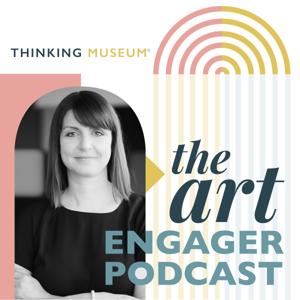

Facilitation is a key part of creating engaging and interactive discussions around art and museum objects.
But developing the skills of a good facilitator is an art form in itself – it requires practice, patience and the best facilitators MAKE IT LOOK SO EASY.
Sometimes people wonder why I chose the word 'facilitator' - rather than guide, educator, teacher, docent, or interpreter - to describe people who lead participative, discussion-based experiences around art and objects.
It’s certainly not the easiest word to say, but it does sum up what we do. As a facilitator, you are guiding the process, creating participation and activating the learning and engagement.
In this week's episode, I’m talking about facilitation - how can you develop the skills of a good facilitator (and make it look like you were born to do it), and what are the different roles you will be expected to play?
 View all episodes
 By Claire Bown

4.9
2020 ratings
Facilitation is a key part of creating engaging and interactive discussions around art and museum objects.
But developing the skills of a good facilitator is an art form in itself – it requires practice, patience and the best facilitators MAKE IT LOOK SO EASY.
Sometimes people wonder why I chose the word 'facilitator' - rather than guide, educator, teacher, docent, or interpreter - to describe people who lead participative, discussion-based experiences around art and objects.
It’s certainly not the easiest word to say, but it does sum up what we do. As a facilitator, you are guiding the process, creating participation and activating the learning and engagement.
In this week's episode, I’m talking about facilitation - how can you develop the skills of a good facilitator (and make it look like you were born to do it), and what are the different roles you will be expected to play?

91,297 Listeners

38,430 Listeners

661 Listeners

87,868 Listeners
217 Listeners

16,525 Listeners