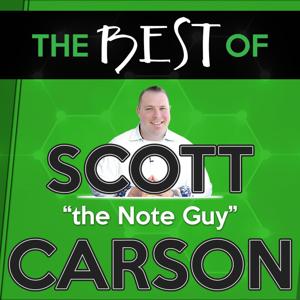
Entrepreneur, podcast host of Note Closers Podcast, and President of WeCloseNotes.com, Scott Carson, is an expert in real estate investing, raising capital, and marketing. He has a heavy focus in guesting on podcasts, speaking at industry conventions, and helping thousands of investors and entrepreneurs each year create wealth through his debt-buying classes, podcasting, and coaching. In 2022, he was named by US News Reporter Magazine as the #4 Entrepreneur to Follow. Underneath his expertise, Scott enjoys traveling, sports, and gardening; all things that create lasting memories for him. The specialty of buying mortgage notes wasn’t what the small-town Texan had in mind. His parents had opened a local hardware store, so Scott fully believed his future would be carrying on that business, or going into sports. In his childhood, Scott was the neighborhood “that kid”, wherein he was always busy doing odd jobs for neighbors on the weekends to make some money. Halfway through his college degree in communications and journalism, he switched to majoring in business, allowing his childhood entrepreneurial mindset to later serve him to become one of the most sought-after speakers in the real estate space.
MORTGAGE NOTES & MORTGAGE NOTE BUYERSOn the DealQuest Podcast, we’ve not covered buying mortgage notes, so I’m thoroughly excited to introduce the DealQuest audience to this type of deal. To better understand these types of deals, we will first brush-up on what a mortgage note is, and what a mortgage note buyer does. But what exactly is a mortgage note? They are defined as “a legal document that establishes the terms of a loan for both the borrower and the lender.” In layman’s, a “note” is merely an active debt. Banks will have owed debt that isn’t performing – the borrower hasn’t paid on the debt for some time – and the banks will sell off the debt to third parties like Scott – a note buyer -- who will purchase that debt for a lump sum price from the bank. The new owner of the debt will now be responsible for collecting the debt from the borrower.
THE BUSINESS OF BUYING NOTESOperating within the secondary mortgage note market, mortgage note buyers like Scott offer the owner of a mortgage note the opportunity to receive an upfront sum of cash rather than a series of small payments from a borrower. Scott primarily focuses on buying:
- Residential first-lien debt
- Commercial first-lien debt
- Primarily non-performing notes, meaning the borrower hasn’t paid in a certain timeframe. (For Scott, that’s anywhere from 90 days to 6 years.)
The process is straightforward: the note buyer purchases the note from the lender for a predetermined lump payment. Despite the fact the transaction between the note buyer and lender is for a fraction of the original debt, the borrower continues to have responsibility all unpaid amounts due under the original note amount; they just do not owe it to the original lender, but instead to the note buyer. This is how note buyers make their profit. For Scott, he prefers to open a discussion with the borrower and find out what prevented them from honoring their lending agreement. Financial hardships can come to anyone at any time, and Scott wants to work with the borrower to help get them back on track. Understanding why they became delinquent on their agreement is a part of that process.
- Some note buyers will restructure the debt in a way that is more accessible to repay for the borrower to get the note to perform again. This includes but is not limited to: Reducing that debt by a certain amount, adjusting the payment amounts, or adjusting the payment schedule. The profit comes from paying a smaller lump sum to the lender, and then collecting the original owed debt and interest from the borrower even if it is over a longer period of time.