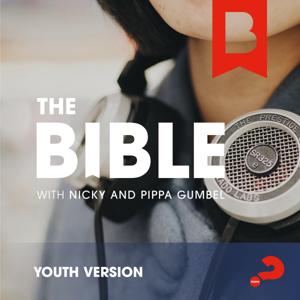
The Bible with Nicky and Pippa Gumbel Youth

The Bible with Nicky and Pippa Gumbel Youth

By Nicky and Pippa GumbelReligion & SpiritualityChristianity
Download on the App Store

The Bible with Nicky and Pippa Gumbel Youth episodes

  • Day 166: When You Don’t Understand God
    ['John Newton, whose life we looked at yesterday, mentored a man called William Cowper (1731–1800). Cowper had experienced tragedy. His mother died when he was six. His father died while he was still young. He qualified as a barrister. Outwardly he was successful. However, he suffered from serious depression. When applying for an administrative post in the House of Lords that entailed a formal examination, he was so disturbed by the prospect of the exam that he attempted to take his own life. For the rest of his life he suffered from mental illness.\nWhen he was in his thirties, John Newton encouraged Cowper to begin composing hymns. He wrote powerfully of the joys and sorrows of everyday life. In 1774, he suffered such a severe episode of mental illness that he was prevented from entering into his intended marriage to Mary Unwin. He was crestfallen. Shortly afterwards, in perhaps his most famous hymn, he wrote:\nGod moves in a mysterious way\nHis wonders to perform\nGod is good. God is love. God loves you. God has revealed himself supremely in Jesus. All this we know. Then you read passages in the Bible that don’t seem to fit with your understanding of God. You may also have experiences in life that don’t seem to fit either.\nYou cannot put God in a box. He is far greater than you could ever conceive. Some passages in the Bible are mysterious. Jesus said on one occasion, ‘You do not realise now what I am doing, but later you will understand’ (John 13:7). Sometimes that understanding may come in our lifetime. Some things we will only understand when we meet the Lord.\nHow should you respond when you don’t understand God?', None]
    14 min
  • Day 166: When You Don’t Understand God
    John Newton, whose life we looked at yesterday, mentored a man called William Cowper (1731–1800). Cowper had experienced tragedy. His mother died when he was six. His father died while he was still young. He qualified as a barrister. Outwardly he was successful. However, he suffered from serious depression. When applying for an administrative post in the House of Lords that entailed a formal examination, he was so disturbed by the prospect of the exam that he attempted to take his own life. For the rest of his life he suffered from mental illness.
    When he was in his thirties, John Newton encouraged Cowper to begin composing hymns. He wrote powerfully of the joys and sorrows of everyday life. In 1774, he suffered such a severe episode of mental illness that he was prevented from entering into his intended marriage to Mary Unwin. He was crestfallen. Shortly afterwards, in perhaps his most famous hymn, he wrote:
    God moves in a mysterious way
    His wonders to perform
    God is good. God is love. God loves you. God has revealed himself supremely in Jesus. All this we know. Then you read passages in the Bible that don’t seem to fit with your understanding of God. You may also have experiences in life that don’t seem to fit either.
    You cannot put God in a box. He is far greater than you could ever conceive. Some passages in the Bible are mysterious. Jesus said on one occasion, ‘You do not realise now what I am doing, but later you will understand’ (John 13:7). Sometimes that understanding may come in our lifetime. Some things we will only understand when we meet the Lord.
    How should you respond when you don’t understand God?
    16 min
  • Day 165: A Spacious Place
    ['John Newton (1725–1801) was a militant atheist, bully and blasphemer. He was a wild and angry young man. He was press-ganged into the Navy at the age of eighteen where he broke the rules so recklessly that he was publicly flogged for desertion. He was hated and feared by his crewmates and himself became a slave trader.\nAt the age of twenty-three, Newton’s ship encountered a severe storm off the coast of Donegal and almost sank. He called out to God as the ship filled with water and on that day, 10 March 1748, God rescued him. He began a new life. He started to pray and read the Bible. Eventually he joined William Wilberforce in the campaign to abolish the slave trade and became a leading light in that campaign.\nNewton is best known as the author of the hymn ‘Amazing Grace’:\nAmazing grace! How sweet the sound\nThat saved a wretch like me!\nI once was lost but now I’m found,\nWas blind, but now I see.\nTo be rescued is to be saved, set free, delivered from danger, attack or harm. Jesus is the one who rescues you and brings you into ‘a spacious place’ (2 Samuel 22:20).', None]
    14 min
  • Day 165: A Spacious Place
    John Newton (1725–1801) was a militant atheist, bully and blasphemer. He was a wild and angry young man. He was press-ganged into the Navy at the age of eighteen where he broke the rules so recklessly that he was publicly flogged for desertion. He was hated and feared by his crewmates and himself became a slave trader.
    At the age of twenty-three, Newton’s ship encountered a severe storm off the coast of Donegal and almost sank. He called out to God as the ship filled with water and on that day, 10 March 1748, God rescued him. He began a new life. He started to pray and read the Bible. Eventually he joined William Wilberforce in the campaign to abolish the slave trade and became a leading light in that campaign.
    Newton is best known as the author of the hymn ‘Amazing Grace’:
    Amazing grace! How sweet the sound
    That saved a wretch like me!
    I once was lost but now I’m found,
    Was blind, but now I see.
    To be rescued is to be saved, set free, delivered from danger, attack or harm. Jesus is the one who rescues you and brings you into ‘a spacious place’ (2 Samuel 22:20).
    15 min
  • Day 164: Your Nation Can Be Changed
    ['There were 10,000 sex-workers plying their trade on the streets of London. Binge drinking and gambling were widespread. The UK had descended into decadence and immorality. This was the eighteenth century. Church congregations had declined sharply (just as they have in recent decades). Parts of the church had virtually descended into paganism.\nYet, the nation was changed. The preaching of John Wesley and George Whitefield began to take effect. Thousands of people responded to their message and encountered Jesus. Robert Raikes started his first Sunday school in 1780. The growth from this one idea reached 300,000 unchurched children within five years. By 1910, there were well over 5 million children in Sunday school. God raised up William Wilberforce, Lord Shaftesbury and others. Not only were individual hearts changed – but the nation was also transformed.\nAs we look at our world today, we see it is changing faster than ever before. In the last twenty-five years, there has been huge change – politically, economically and technologically. Massive change is taking place in many countries around the world. How can the spiritual climate of your nation be changed?', None]
    14 min
  • Day 164: Your Nation Can Be Changed
    There were 10,000 sex-workers plying their trade on the streets of London. Binge drinking and gambling were widespread. The UK had descended into decadence and immorality. This was the eighteenth century. Church congregations had declined sharply (just as they have in recent decades). Parts of the church had virtually descended into paganism.
    Yet, the nation was changed. The preaching of John Wesley and George Whitefield began to take effect. Thousands of people responded to their message and encountered Jesus. Robert Raikes started his first Sunday school in 1780. The growth from this one idea reached 300,000 unchurched children within five years. By 1910, there were well over 5 million children in Sunday school. God raised up William Wilberforce, Lord Shaftesbury and others. Not only were individual hearts changed – but the nation was also transformed.
    As we look at our world today, we see it is changing faster than ever before. In the last twenty-five years, there has been huge change – politically, economically and technologically. Massive change is taking place in many countries around the world. How can the spiritual climate of your nation be changed?
    16 min
  • Day 163: You Can Change
    ['There was a woman who lived on the streets near our church. She would ask for money and react aggressively to those who refused. When she died, I took the funeral. I discovered afterwards that this woman had inherited a large fortune. She had acquired a luxurious flat and many valuable paintings, but she chose to live on the streets with her plastic bags full of rubbish. She could not bring herself to leave behind the life she knew and she never enjoyed her inheritance.\nSome people are afraid of change, while others believe change is not possible. Yet the wonderful news is that with God’s help you can change. This change is key to spiritual life, growth and transformation. It is not just about changing our actions or appearance; we need to change on the inside – we need a change of heart. How can this happen?', None]
    10 min
  • Day 163: You Can Change
    There was a woman who lived on the streets near our church. She would ask for money and react aggressively to those who refused. When she died, I took the funeral. I discovered afterwards that this woman had inherited a large fortune. She had acquired a luxurious flat and many valuable paintings, but she chose to live on the streets with her plastic bags full of rubbish. She could not bring herself to leave behind the life she knew and she never enjoyed her inheritance.
    Some people are afraid of change, while others believe change is not possible. Yet the wonderful news is that with God’s help you can change. This change is key to spiritual life, growth and transformation. It is not just about changing our actions or appearance; we need to change on the inside – we need a change of heart. How can this happen?
    15 min
  • Day 162: God Even Uses Your Mistakes
    ['Handley Moule, when he was Bishop of Durham, had the task of visiting the relatives of 170 miners who had been killed in a mining accident. While he was wondering what to say to them, he picked up a little bookmark his mother had given him. As he held it up, on the reverse side of the handwoven bookmark there was a tangled web. There was no rhyme, no reason, no pattern, nothing. But on the other side it said, ‘God is love’.\nThe world sometimes seems to us like a tangled web. Often we cannot work out what is going on or why we are suffering in the way we are. But the claim of Jesus and the Scriptures is that behind it all is the love of God. Even though things may seem very difficult for us to understand now, God is working out his loving purposes in the world.\nGod can weave a pattern from the threads of our lives – including the suffering, heartaches and even our mistakes and make something beautiful. The apostle Paul tells us that ‘in all things God works for the good of those who love him, who have been called according to his purpose’ (Romans 8:28). Reflect today on the fact that, even though your situation may be challenging, God is weaving his purpose for your life.\nJob said, ‘You gave me life and showed me kindness, and in your providence watched over my spirit’ (Job 10:12). Everything that happens in this world is within the sphere of God’s working. ‘Providence’ means God’s foresight: the way he anticipates and prepares for the future. ‘Providence’ is the way God guides and steers human history – he is present and active in the world – sustaining it and ruling it.\nIt is also the way he guides and steers your life personally and individually. God has a specific, unique destiny for you. Sometimes this thought worries people: that they might somehow mess things up and miss out on God’s purpose. But that isn’t the case. Even your mistakes he uses for good. In all the circumstances of your life and the events going on around you, you can trust in the providence of God.', None]
    14 min
  • Day 162: God Even Uses Your Mistakes
    Handley Moule, when he was Bishop of Durham, had the task of visiting the relatives of 170 miners who had been killed in a mining accident. While he was wondering what to say to them, he picked up a little bookmark his mother had given him. As he held it up, on the reverse side of the handwoven bookmark there was a tangled web. There was no rhyme, no reason, no pattern, nothing. But on the other side it said, ‘God is love’.
    The world sometimes seems to us like a tangled web. Often we cannot work out what is going on or why we are suffering in the way we are. But the claim of Jesus and the Scriptures is that behind it all is the love of God. Even though things may seem very difficult for us to understand now, God is working out his loving purposes in the world.
    God can weave a pattern from the threads of our lives – including the suffering, heartaches and even our mistakes and make something beautiful. The apostle Paul tells us that ‘in all things God works for the good of those who love him, who have been called according to his purpose’ (Romans 8:28). Reflect today on the fact that, even though your situation may be challenging, God is weaving his purpose for your life.
    Job said, ‘You gave me life and showed me kindness, and in your providence watched over my spirit’ (Job 10:12). Everything that happens in this world is within the sphere of God’s working. ‘Providence’ means God’s foresight: the way he anticipates and prepares for the future. ‘Providence’ is the way God guides and steers human history – he is present and active in the world – sustaining it and ruling it.
    It is also the way he guides and steers your life personally and individually. God has a specific, unique destiny for you. Sometimes this thought worries people: that they might somehow mess things up and miss out on God’s purpose. But that isn’t the case. Even your mistakes he uses for good. In all the circumstances of your life and the events going on around you, you can trust in the providence of God.

    15 min

About The Bible with Nicky and Pippa Gumbel Youth

From the publisher's feed

The daily Bible reading devotion for young people.

More shows like The Bible with Nicky and Pippa Gumbel Youth

The Joe Rogan Experience by Joe Rogan

The Joe Rogan Experience

227,532 Listeners

BibleProject by BibleProject Podcast

BibleProject

19,478 Listeners

The Bible with Nicky and Pippa Gumbel Classic by Nicky and Pippa Gumbel

The Bible with Nicky and Pippa Gumbel Classic

85 Listeners

The Max Lucado Encouraging Word Podcast by AccessMore

The Max Lucado Encouraging Word Podcast

94 Listeners

The Bible with Nicky and Pippa Gumbel Express by Nicky and Pippa Gumbel

The Bible with Nicky and Pippa Gumbel Express

18 Listeners