
Sign up to save your podcasts
Or

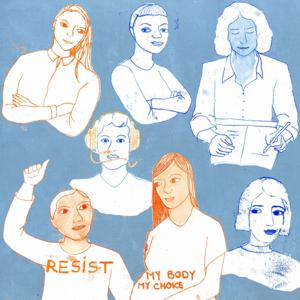

The Binary gender narrative is one which speaks strictly in terms of men and women. This division was strongly influenced by European Christian colonialism and is neither natural nor without alternatives. Yet each and every day, people all over the world either classify themselves within the binary narrative, or are classified by others: be it in conversations through the use of pronouns, or by going to a public restroom, which in so many cases, forces one to choose between these two poles. How did this narrative become so dominant? Which parts of the world (still) look at gender differently? And how is LGBTQI+ activism changing this narrative? We look to Argentina, Thailand, Uganda, and many more countries for answers…
A podcast featuring:
Illustration: CC BY ND NC 4.0 Arinda Craciun
 View all episodes
 By Heinrich-Böll-Stiftung
The Binary gender narrative is one which speaks strictly in terms of men and women. This division was strongly influenced by European Christian colonialism and is neither natural nor without alternatives. Yet each and every day, people all over the world either classify themselves within the binary narrative, or are classified by others: be it in conversations through the use of pronouns, or by going to a public restroom, which in so many cases, forces one to choose between these two poles. How did this narrative become so dominant? Which parts of the world (still) look at gender differently? And how is LGBTQI+ activism changing this narrative? We look to Argentina, Thailand, Uganda, and many more countries for answers…
A podcast featuring:
Illustration: CC BY ND NC 4.0 Arinda Craciun