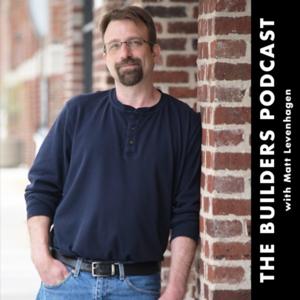
In this solo episode of The Builders Podcast, Matt Levenhagen introduces the theme behind the upcoming fourth season: What Built the Builder? Rather than focusing only on tactics, strategies, and business frameworks, the next season will explore the experiences, failures, influences, and turning points that shape the people behind the businesses we build.
Using his own journey as an example, Matt traces a path through early sales jobs, insurance, contracting, internet marketing, web development, and agency ownership. While those chapters may appear disconnected on the surface, a closer look reveals something deeper: a pattern. Looking backward, he discovers recurring themes of creativity, building, systems, and people that have quietly guided his decisions for decades.
The conversation ultimately becomes an invitation for listeners to do the same. By examining your own story, identifying recurring patterns, and understanding the experiences that shaped you, you may discover strengths, opportunities, and insights that have been there all along.
Key Takeaways
- The chapters of your life may be more connected than they first appear.
- Skills learned in one season often become assets in the next.
- Looking for patterns can reveal strengths and motivations you may have overlooked.
- Reflection isn't about nostalgia. It's about understanding yourself more clearly.
- Every builder has a story, and those stories often explain what they're building today.
- Understanding what built you can help shape what you build next.
Tune in for a conversation about story, self-discovery, and the patterns that quietly shape every builder's journey.