In this 2007 oral history interview with Richard Norton Smith, Dole talks about the 1976 Ford/Dole Presidential campaign, the WWII memorial and the Honor Flight program, partisanship and party lines, President Nixon and other topics.
In this 2007 oral history interview with Richard Norton Smith, Dole talks about Reagan-era issues, including supply-side economics, Social Security reform, the White House staff, Dole's role as Majority Leader in the Senate, and other topics.
In this 2007 oral history interview with Richard Norton Smith, Senator Bob Dole talks about the Republican primary of 1988, the ADA, supply-side economics, and the 2008 Presidential candidates.
In this 2008 oral history interview with Brien R. Williams, Dove talks about the responsibilities of a Parliamentarian, Senate procedures, and the introduction of C-SPAN.
In this 2007 oral history interview with Brien R. Williams, Downen talks about Watergate, the Ford/Dole 1976 Presidential Campaign, and the Carter Administration's foreign policy.
In this 2007 oral history interview with Brien R. Williams, Ellsworth talks about Dole's start in politics, personal life, and Republican National Committee leadership.
In this 2007 oral history interview with Brien R. Williams, Ferguson talks about his time covering Dole's political career, the changing journalism industry, and the Kansas political scene.
In this 2008 oral history interview with Brien R. Williams, Glassner talks about helping Senator Dole handle constituent relations, working on campaigns, and the Senator's personality.
In this oral history interview with Brien R. Williams, Glickman talks about dirty tactics on the campaign trail, the National Intelligence Committee, and political theory.
In this 2007 oral history interview with Richard Norton Smith, Grassley talks about Senator Dole's work on Social Security reform and the legislative process in the Senate.
50 min
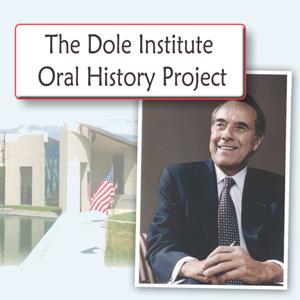
About The Dole Institute Oral History Project
From the publisher's feed
Documenting the life and accomplishments of Senator Bob Dole through oral histories by those who knew him.