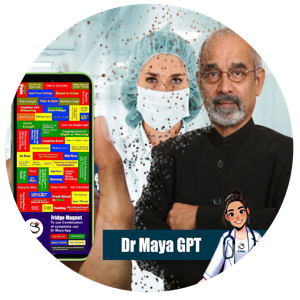
Fear Is the First Infection. Not the Virus or illness.
Our brain cannot differentiate real from imaginary fear. When we imagine fear of poverty, fear of the Law, fear of illness or infections, relationship or death, the driver of thought spirals out of control, diving deep into an emotional black hole, resulting in fear.
We experience fear, and the body reacts instantly. Heart rate rises. Breathing becomes laboured, making us tired. Body temperature fluctuates. Palms sweat. Some experience abdominal pain, tingling in fingers or dizziness from hyperventilation. The brain cannot easily distinguish between a genuine life-threatening emergency and a fear-amplified sensation.
Neuroscience confirms that the amygdala activates before rational evaluation occurs. The stress response releases adrenaline and cortisol. Chronic or intense stress has been shown to suppress immune function, increasing vulnerability to infection.
Asking friends, family or searching for information using a symptom checker will make the situation worse and also increase needless death due to false reassurance and delay in seeking medical advice.
Most patients who rush to the hospital in fear do not have a life-threatening illness. Yet once inside the system, doctors must examine, investigate, document, prescribe, and protect themselves legally. Medicine becomes defensive.
The intention is good, but the system becomes overloaded.
Majority of hospitals are collonised with Antimicrobial Resistance bacterial virus and fungus.
83% of people in the hospitals including doctors, nurses and staff are said to be colonised with AMR in India.
Hospitals are now high-risk environments for transmission of these infections.
The WHO estimates that 7–10% of hospitalised patients globally acquire healthcare-associated infections (HAIs).
- Antimicrobial resistance (AMR) is already responsible for over 1 million direct deaths annually worldwide, with projections rising sharply if behaviour does not change.
- Increased, unnecessary contact increases infection spread — both viral and bacterial.
When fear drives unnecessary hospital visits:
- Exposure increases, Antibiotic prescribing and Costs rise.
- AMR accelerates, and vulnerable families suffer most — especially those facing poverty, language barriers, and limited access to follow-up care.
Fear is now a public health multiplier.
PREMA Kiosk is designed to help manage Fear Before It Becomes Harm. Personal Resourceful Empowering Fear Management Advice is not a symptom checker or diagnostic machine. It is a fear-management and triage-empowerment system.
A standalone, tamper-resistant, weatherproof, internet-connected public terminal — functioning like a shared community smartphone. It is specifically designed for: Rural populations, Elderly individuals, Low-literacy users.
Families without smartphones or stable internet, and Communities facing economic or language barriers also benifit.
Why This Matters Now
In an era of rising AMR and fragile health systems, we cannot afford fear-driven utilisation. We cannot afford unnecessary exposure or hospital overload.
Doctor-centred care remains essential for true emergencies, but not every fear is an emergency.
PREMA decompresses hospitals, protects communities, and reduces infection spread by managing fear at the front door — before hospital entry.
When AMR infections in hospitals or doctors’ clinics reach 48% by 2028, Treatment success drops to 40%, the only option you have is to empower yourself to conquer the fear, use knowledge and experience, and make an informed decision to protect your family, children, and community.