
Sign up to save your podcasts
Or

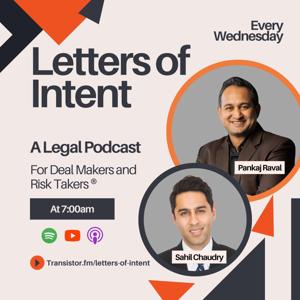

As AI tools become increasingly integrated into our daily workflows, the line between human ownership and machine authorship is blurring. In this episode of Letters of Intent, Pankaj Raval and Sahil Chaudry provide a comprehensive "AI Survival Guide" for dealmakers and leaders of growing businesses.
They explore the massive legal gray areas surrounding intellectual property in the age of generative AI. From using YouTube Creator Studio to generating complex code and copy, Sahil and Pankaj break down how to legally establish your chain of title. They also issue a critical warning about data leakage, explaining why inputting sensitive company information or legal questions into public chatbots could accidentally destroy your trade secrets and become discoverable in litigation.
Takeaways
Soundbites
Keywords
AI Survival Guide, Intellectual Property, Copyright Law, Trade Secrets, Enterprise AI, Business Strategy, Corporate Law, Data Privacy, Prompt History, Growing Businesses.
🔗 Learn More
Website: carbonlg.com
Connect with Pankaj: https://www.linkedin.com/in/pankaj-raval/
Connect with Sahil: https://www.linkedin.com/in/sahil-chaudry-6047305/
Click Here To Schedule A Call With Us
 View all episodes
 By Pankaj Raval
5
22 ratings
As AI tools become increasingly integrated into our daily workflows, the line between human ownership and machine authorship is blurring. In this episode of Letters of Intent, Pankaj Raval and Sahil Chaudry provide a comprehensive "AI Survival Guide" for dealmakers and leaders of growing businesses.
They explore the massive legal gray areas surrounding intellectual property in the age of generative AI. From using YouTube Creator Studio to generating complex code and copy, Sahil and Pankaj break down how to legally establish your chain of title. They also issue a critical warning about data leakage, explaining why inputting sensitive company information or legal questions into public chatbots could accidentally destroy your trade secrets and become discoverable in litigation.
Takeaways
Soundbites
Keywords
AI Survival Guide, Intellectual Property, Copyright Law, Trade Secrets, Enterprise AI, Business Strategy, Corporate Law, Data Privacy, Prompt History, Growing Businesses.
🔗 Learn More
Website: carbonlg.com
Connect with Pankaj: https://www.linkedin.com/in/pankaj-raval/
Connect with Sahil: https://www.linkedin.com/in/sahil-chaudry-6047305/
Click Here To Schedule A Call With Us