
Sign up to save your podcasts
Or



📌 Schedule An Appointment with Dr. Ona: https://www.drmelona.com
Your bathroom cabinet is probably full of gut products that do nothing, or worse, make things harder to fix. I have seen every single one of them handed to me in a bag by a patient who spent real money and feels no better. Some of these products are harmless but useless. One of these trends can actually leave your gut worse off than before you started, and most people have no idea which one it is until the damage is already done.
In this video, I'm going to break down 7 viral gut health products, explain what each one actually does inside your digestive tract, and tell you exactly which ones are worth your money and which one to stop using today.
TIMESTAMPS
0:00 GI Doctor Exposes 7 Viral Gut Products (And Which One To AVOID)
0:47 Colon cleanses and detox powders
2:08 Parasite cleanses explained
2:39 Celery juice, does it actually work
2:57 Apple cider vinegar before meals
3:27 The truth about daily probiotics
4:35 Prebiotic soluble fiber, my top pick
5:19 Magnesium for the right person
5:53 When to stop buying and start testing
6:29 How to know you are in the right conversation
❓ QUESTIONS ANSWERED
Do colon cleanses actually remove toxins from your colon?
No. The colon empties itself naturally and there is no compacted waste layer sitting around to scrub out. These products just trigger a stimulant laxative, which forces frequent bowel movements and can actually make it harder for your colon to contract on its own over time, leading to dependence on the product itself.
Are daily probiotics worth taking for gut health?
Only for specific conditions with the right strain, like antibiotic associated diarrhea or certain documented cases of IBS. Taking a generic, broad spectrum probiotic for general gut health when you actually have bacterial overgrowth can flood an already crowded small intestine and make bloating and discomfort worse, not better.
What supplement actually helps gut health the most?
Prebiotic soluble fiber feeds your existing gut bacteria so they produce short chain fatty acids, which support bowel regularity, healthy cholesterol, stable blood sugar, and greater bacterial diversity. Unlike most trending products, this one is backed by a clear, well studied mechanism rather than marketing claims alone.
📱 RESOURCES
Website: https://www.drmelona.com
Patient Portal: https://drmelona.com/patient-portal/
Unsedated Colonoscopy Video: https://www.youtube.com/watch?v=-Vz1IXF0rmo
Instagram: https://www.instagram.com/polymathforever/
Facebook: https://www.facebook.com/doctormelona
🔔 Subscribe for evidence-based digestive health, nutrition science, and disease prevention from a board-certified gastroenterologist.
💬 Which of these 7 products is sitting in your cabinet right now? Tell me below and I will tell you if it is worth keeping.
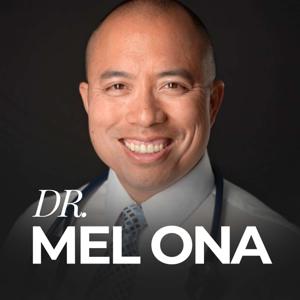
ABOUT DR. MEL ONA: I'm Dr. Mel Ona, a board-certified gastroenterologist with graduate training in nutritional biochemistry and metabolism. I founded Ohana Gastroenterology and have treated over 10,000 patients across nine years of clinical practice. My focus is evidence-based digestive health, nutrition science, and disease prevention.
#GutHealth #Gastroenterologist #DigestiveHealth #GutMicrobiome #NutritionScience
📌 Schedule An Appointment with Dr. Ona: https://www.drmelona.com
Rotten egg burps. Gallbladder pain that wraps around your back. A vomiting episode that won't stop. If you are on Ozempic, Wegovy, Zepbound, or Mounjaro, these are the gut side effects nobody warns you about at your appointment. I see these show up in my clinic constantly, and most patients had no idea their medication could cause them until it already happened.
In this episode, I'm going to walk you through the GLP-1 side effects in order, from the annoying ones to the one that can land you in the emergency room, and the one that gets missed before procedures constantly.
⏱️ TIMESTAMPS
0:00 Gastroenterologist Ranks Ozempic Side Effects From Annoying to Dangerous
1:00 Why these meds slow your whole gut down
1:39 What causes the rotten egg taste
2:02 How to manage the sulfur burps
2:42 Gallbladder pain warning signs
3:37 Two emergency symptoms to never ignore
4:17 The procedure mistake I see constantly
5:36 When to actually see a gut doctor
6:15 One video worth watching next
❓ QUESTIONS ANSWERED
Why do GLP-1 medications like Ozempic cause sulfur burps?
These drugs slow how fast your stomach empties, so food sits longer and starts to ferment, producing sulfur gas that comes back up as a bad tasting burp. This tends to get worse with high fat meals, and cutting back on fatty or heavily processed foods usually calms it down within a few days.
Can Ozempic cause gallbladder problems?
Yes, rapid weight loss changes bile chemistry and these medications make the gallbladder squeeze less often, both of which raise the risk of gallstones and related pain. Watch for pain in the upper right belly that wraps around toward your back, especially after eating, since that pattern is a classic gallbladder warning sign rather than routine stomach upset.
Why do I need to tell my doctor I'm on Ozempic before a procedure?
Because these drugs delay stomach emptying, you can follow fasting instructions perfectly and still have food in your stomach during sedation, which raises the risk of that food entering your lungs. This is exactly the kind of complication that gets missed when patients assume a standard fasting window is enough on these medications.
📱 RESOURCES
Website: https://www.drmelona.com
Patient Portal: https://drmelona.com/patient-portal/
Unsedated Colonoscopy Video: https://www.youtube.com/watch?v=-Vz1IXF0rmo
Instagram: https://www.instagram.com/polymathforever/
Facebook: https://www.facebook.com/doctormelona
🔔 Subscribe for evidence-based digestive health, nutrition science, and disease prevention from a board-certified gastroenterologist.
ABOUT DR. MEL ONA: I'm Dr. Mel Ona, a board-certified gastroenterologist with graduate training in nutritional biochemistry and metabolism. I founded Ohana Gastroenterology and have treated over 10,000 patients across nine years of clinical practice. My focus is evidence-based digestive health, nutrition science, and disease prevention.
#GutHealth #Gastroenterologist #DigestiveHealth #GIDoctor #NutritionScience
📌 Schedule An Appointment with Dr. Ona: https://www.drmelona.com
1 in 4 adults has fatty liver disease. Most have no idea because the early version does not hurt at all. It builds quietly for years, hiding behind blood tests that look technically normal. It stays reversible right up until it does not, and there are six things you can check right now to find out where you stand before it becomes permanent scarring.
In this episode, I'm going to show you the four numbers on your last blood test and two simple physical checks that reveal early fatty liver before it ever shows up as pain or a diagnosis.
⏱️ TIMESTAMPS
0:00 How to Catch Fatty Liver While It's Still Reversible
0:49 My background with liver scanning and my own weight loss
1:13 ALT and AST, the two liver numbers on your report
2:11 Why the normal range on your report is not a health target
2:41 Triglycerides and HDL, the numbers your cholesterol panel hides
3:11 The honest limit of blood work alone
3:34 Two physical checks with no blood test required
4:22 Why you do not need to drink to get fatty liver
5:21 What a fibro scan actually finds and how it feels
6:00 What to ask your doctor and how fatty liver reverses
❓ QUESTIONS ANSWERED
Can you have fatty liver without drinking alcohol?
Yes, most people diagnosed with fatty liver barely drink at all. The condition is now called metabolic dysfunction associated steatotic liver disease because alcohol was never the main cause, sugar and refined carbohydrates are, along with insulin resistance and excess visceral fat.
What ALT level actually signals a healthy liver?
Many labs mark anything under 40 as normal, but current research points to an optimal ALT below 30 for men and below 19 for women. A slightly elevated ALT that repeats for several years in a row is more telling than any single normal looking result, since labs are built to flag disease, not to define optimal function.
Is fatty liver reversible?
Early fatty liver reverses when your metabolism changes through diet and weight loss, and even early scarring can improve with the right changes and, for some patients, newer medications. The window narrows once scarring progresses to advanced fibrosis, which is why catching it early through blood work and physical checks matters so much.
📱 RESOURCES
Website: https://www.drmelona.com
Patient Portal: https://drmelona.com/patient-portal/
Unsedated Colonoscopy Video: https://www.youtube.com/watch?v=-Vz1IXF0rmo
Instagram: https://www.instagram.com/polymathforever/
Facebook: https://www.facebook.com/doctormelona
🔔 Subscribe for evidence-based digestive health, nutrition science, and disease prevention from a board-certified gastroenterologist.
ABOUT DR. MEL ONA: I'm Dr. Mel Ona, a board-certified gastroenterologist with graduate training in nutritional biochemistry and metabolism. I founded Ohana Gastroenterology and have treated over 10,000 patients across nine years of clinical practice. My focus is evidence-based digestive health, nutrition science, and disease prevention.
#GutHealth #Gastroenterologist #DigestiveHealth #NutritionScience #PreventiveHealth
📌 Schedule An Appointment with Dr. Ona: https://www.drmelona.com
Two people can get the exact same colonoscopy. One spends the evening cramping and bloated on the couch, the other feels normal enough to go back to work by lunch. The difference almost never comes down to luck. It comes down to three decisions your gastroenterologist makes before you even walk in the door, decisions most patients never think to ask about.
In this episode, I'm going to break down the three questions you should ask before your colonoscopy so you get an easier procedure and a faster recovery.
⏱️ TIMESTAMPS
0:00 Gastroenterologist Reveals 3 Ways to Make a Colonoscopy Much Easier
0:47 Meet the doctor who scoped himself awake
1:19 Ask 1, room air vs CO2 insufflation
2:53 Ask 2, water immersion instead of air
3:48 Ask 3, choosing your sedation level
5:44 What it actually feels like awake
6:32 What happens if the facility says no
7:44 Watch this next if you have gut symptoms
❓ QUESTIONS ANSWERED
Q: Does CO2 or room air matter for colonoscopy recovery?
A: Yes. CO2 is absorbed quickly through the colon wall and breathed out through your lungs within minutes, while room air lingers in your gut and can cause hours of cramping, bloating, and gas pain afterward. Asking your facility which gas they use before your procedure can make a real difference in how you feel that evening.
Q: What is water immersion during a colonoscopy?
A: It is a technique that uses warm water instead of air to help gently guide the scope through the colon, which reduces the stretching that normally causes cramping. Studies show it can also improve visibility for the doctor and shorten recovery time for the patient.
Q: Do I have to be sedated for a colonoscopy?
A: No. Options range from deep sedation with propofol to minimal sedation to no sedation at all, and the right choice depends on your medical history, pain tolerance, and personal comfort. Some patients even prefer little or no sedation because it allows them to drive themselves home afterward.
🎥 Watch Next:
https://youtu.be/C4vZJ67Uhy4
Digestive Symptoms You Should Never Ignore (See a Doctor Immediately)
📱 RESOURCES
Website: https://www.drmelona.com
Patient Portal: https://drmelona.com/patient-portal/
Unsedated Colonoscopy Video: https://www.youtube.com/watch?v=-Vz1IXF0rmo
Instagram: https://www.instagram.com/polymathforever/
Facebook: https://www.facebook.com/doctormelona
🔔 Subscribe for evidence-based digestive health, nutrition science, and disease prevention from a board-certified gastroenterologist.
💬 Have you had a colonoscopy before? Tell me in the comments what surprised you most, or what question you wish you had asked beforehand.
ABOUT DR. MEL ONA: I'm Dr. Mel Ona, a board-certified gastroenterologist with graduate training in nutritional biochemistry and metabolism. I founded Ohana Gastroenterology and have treated over 10,000 patients across nine years of clinical practice. My focus is evidence-based digestive health, nutrition science, and disease prevention.
#GutHealth #Gastroenterologist #ColonoscopyScreening #DigestiveHealth #ColonCancerPrevention
📌 Schedule An Appointment with Dr. Ona: https://www.drmelona.com
IBS is a diagnosis of exclusion. But what actually gets excluded varies wildly from one workup to the next, and the conditions most often missed are the ones with real, specific treatments. If you have carried an IBS label for years with no real improvement, this is worth twenty minutes.
In this episode, I'm going to show you what a complete IBS workup actually looks like, the conditions most commonly missed under that label, and the exact questions to bring to your next appointment before you accept IBS as your final answer.
⏱️ TIMESTAMPS
0:00 Before You Accept an IBS Diagnosis, Watch This
0:35 What Rome IV criteria actually require
1:19 Why workups vary so much between doctors
2:07 SIBO, the most commonly missed cause
2:52 Microscopic colitis and why colonoscopies miss it
3:22 Inflammatory bowel disease hiding behind IBS
4:12 Thyroid problems that mimic IBS
5:32 Pelvic floor dysfunction and constipation
5:53 The exact questions to ask your doctor
7:06 How to frame the conversation with your GI doctor
❓ QUESTIONS ANSWERED
What tests are missed most often in an IBS diagnosis?
The two most commonly skipped tests are a hydrogen or lactulose breath test for SIBO and colon biopsies during colonoscopy that could reveal microscopic colitis. Both conditions look identical to IBS on symptoms alone but require specific testing to find.
Can you have a normal colonoscopy and still not have IBS ruled out?
Yes. A colonoscopy without biopsies cannot detect microscopic colitis, which causes chronic watery diarrhea despite a completely normal looking colon. Biopsies are required to make that diagnosis.
Does thyroid function affect IBS symptoms?
Yes. An underactive thyroid slows digestion and causes constipation and bloating, while an overactive thyroid speeds it up and causes loose, urgent stools. A basic TSH panel rules this out quickly but is not always part of a standard gut workup.
📱 RESOURCES
Website: https://www.drmelona.com
Patient Portal: https://drmelona.com/patient-portal/
Unsedated Colonoscopy Video: https://www.youtube.com/watch?v=-Vz1IXF0rmo
Instagram: https://www.instagram.com/polymathforever/
Facebook: https://www.facebook.com/doctormelona
🔔 Subscribe for evidence-based digestive health, nutrition science, and disease prevention from a board-certified gastroenterologist.
ABOUT DR. MEL ONA: I'm Dr. Mel Ona, a board-certified gastroenterologist with graduate training in nutritional biochemistry and metabolism. I founded Ohana Gastroenterology and have treated over 10,000 patients across nine years of clinical practice. My focus is evidence-based digestive health, nutrition science, and disease prevention.
#GutHealth #Gastroenterologist #DigestiveHealth #GIDoctor #NutritionScience
📌 Schedule An Appointment with Dr. Ona: https://www.drmelona.com
Most patients on a proton pump inhibitor have no idea it was only meant to be used for 8 to 12 weeks. Some have been on it for a decade. Nobody ever sat down to ask if they still need it. Millions of people fill this prescription every single month without a second thought, and most of them were never told there was an end date in the first place.
In this episode, I'm going to explain what stomach acid actually does for your gut, what happens when it gets suppressed for years, and how to have the conversation about stopping safely.
⏱️ TIMESTAMPS
0:00 The Gut Medication Most Patients Stay On Too Long
0:42 What PPIs are and how they work
1:09 Why the stopping conversation never happens
2:03 The refill cycle that keeps patients on PPIs
3:34 What stomach acid actually protects against
5:35 How PPIs increase SIBO and infection risk
6:42 The nutrient deficiencies nobody warns you about
9:00 When long term PPI use is actually appropriate
9:41 How to safely taper off a PPI
❓ QUESTIONS ANSWERED
How long should you take a proton pump inhibitor?
Most PPIs are designed for short term use, typically 8 to 12 weeks, unless you have a documented condition like erosive esophagitis or Barrett's esophagus that requires ongoing acid suppression. Anyone taking one longer than that without a clear diagnosis should bring it up at their next appointment.
What happens if you stop a PPI suddenly?
Stopping abruptly can trigger rebound acid hypersecretion, a temporary surge in stomach acid that feels worse than the original problem and usually resolves within 4 to 8 weeks. This rebound effect is the main reason patients feel like they cannot quit, even when the medication is no longer needed.
Can long term PPI use cause nutrient deficiencies?
Yes. Long term use is linked to lower magnesium, vitamin B12, and calcium absorption, along with an increased risk of bone fracture and small intestinal bacterial overgrowth. These effects tend to build slowly over years, which is why they often go unnoticed until symptoms show up elsewhere.
📱 RESOURCES
Website: https://www.drmelona.com
Patient Portal: https://drmelona.com/patient-portal/
Unsedated Colonoscopy Video: https://www.youtube.com/watch?v=-Vz1IXF0rmo
Instagram: https://www.instagram.com/polymathforever/
Facebook: https://www.facebook.com/doctormelona
🔔 Subscribe for evidence-based digestive health, nutrition science, and disease prevention from a board-certified gastroenterologist.
ABOUT DR. MEL ONA:
I'm Dr. Mel Ona, a board-certified gastroenterologist with graduate training in nutritional biochemistry and metabolism. I founded Ohana Gastroenterology and have treated over 10,000 patients across nine years of clinical practice. My focus is evidence-based digestive health, nutrition science, and disease prevention.
#GutHealth #Gastroenterologist #DigestiveHealth #GutMicrobiome #GIDoctor
📌 Schedule An Appointment with Dr. Ona: https://www.drmelona.com
The patients I see at 60 with diverticulitis, colon polyps, and chronic constipation all have one thing in common. Nobody told them what was happening in their gut at 40. By the time they reach my office, the window to prevent it has often closed. Most of them ate what they thought was a healthy diet. They just never knew the one habit that actually protects the microbiome long term.
In this episode, I'm going to break down the one dietary habit backed by the American Gut Project that does more for long term gut health than any supplement, and show you exactly how to build it starting today.
⏱️ TIMESTAMPS
0:00 This Daily Habit at 40 Prevents Serious Gut Issues at 60
0:47 Meet the habit that beats supplements
1:09 What happens to your microbiome after 40
2:14 Why fiber grams alone miss the point
3:36 How many plant foods do you actually eat
4:14 The 30 plant foods per week target
5:04 How to track it without overhauling your diet
6:48 What to expect in the first two weeks
7:36 The prevention data on colon disease
8:12 Modifying the plan for SIBO or IBD
❓ QUESTIONS ANSWERED
What is the best daily habit for gut health after 40?
Eating a wide variety of plant foods, aiming for 30 different plants per week, is the habit most strongly linked to a diverse, resilient gut microbiome. This matters more than hitting a fiber gram target or taking supplements, and it becomes especially important as microbial diversity naturally starts to decline in your forties.
Does fiber variety matter more than total fiber intake?
Yes. Different fibers feed different bacterial species, so eating the same few fiber sources every week limits your microbiome even if your total fiber intake looks healthy. Variety, not just quantity, drives microbial diversity, which is why two people eating the same amount of fiber can have very different gut health outcomes.
Can eating more plant foods prevent diverticulitis or colon cancer?
Higher fiber variety is associated with lower risk of colorectal cancer and diverticulitis across large studies. The mechanism runs through short chain fatty acids like butyrate, which fuel colon cells and reduce inflammation, giving your gut lining a measurable layer of protection over decades.
📱 RESOURCES
Website: https://www.drmelona.com
Patient Portal: https://drmelona.com/patient-portal/
Unsedated Colonoscopy Video: https://www.youtube.com/watch?v=-Vz1IXF0rmo
Instagram: https://www.instagram.com/polymathforever/
Facebook: https://www.facebook.com/doctormelona
🔔 Subscribe for evidence-based digestive health, nutrition science, and disease prevention from a board-certified gastroenterologist.
ABOUT DR. MEL ONA:
I'm Dr. Mel Ona, a board-certified gastroenterologist with graduate training in nutritional biochemistry and metabolism. I founded Ohana Gastroenterology and have treated over 10,000 patients across nine years of clinical practice. My focus is evidence-based digestive health, nutrition science, and disease prevention.
#GutHealth #Gastroenterologist #DigestiveHealth #GutMicrobiome #FiberForGutHealth
📌 Schedule An Appointment with Dr. Ona: https://www.drmelona.com
Intermittent fasting or breakfast. You've probably heard both are the right answer, sometimes from the same source in different years. If you have gut symptoms like bloating, reflux, or irregular bowel habits, you've likely tried both approaches and still don't have a clear answer for your own body. The truth is that most advice online ignores one critical factor entirely.
In this episode, I'm going to break down the real science behind intermittent fasting and breakfast, and explain why your gut status is the variable that changes which one is right for you.
⏱️ TIMESTAMPS
0:00 What a GI Doctor with a Nutrition Degree Actually Does for Breakfast
0:45 The real case for intermittent fasting
1:38 How fasting affects gut bacteria and motility
2:33 What cortisol does to your gut every morning
4:08 Why gut patients react differently to fasting
5:20 When intermittent fasting actually helps your gut
7:04 What 10,000 patients taught me about meal timing
8:03 The modified fasting window I recommend
9:07 How to test this on yourself in two weeks
❓ QUESTIONS ANSWERED
Is intermittent fasting bad for gut health?
Not inherently, but for people with leaky gut, SIBO, or IBD, extended morning fasting raises cortisol and slows gut healing more than it helps. For otherwise healthy guts, fasting can support the migrating motor complex and improve motility between meals.
Should I eat breakfast if I have digestive issues?
Yes. Eating within an hour of waking buffers the morning cortisol spike and helps shift your gut from repair mode into active digestion, which tends to reduce morning bloating and reflux for people with sensitive digestive systems.
What is the best eating window for gut health?
A 12 to 13 hour overnight fast, roughly 7pm to 7am, captures most fasting benefits without pushing calories into the evening when digestion slows. This modified window tends to work well for both healthy guts and those managing conditions like SIBO or IBD.
📱 RESOURCES
Website: www.drmelona.com
Books By Dr Mel Ona: https://drmelona.com/media/
Patient Resources: https://drmelona.com/patient-portal/ Unsedated Colonoscopy Video: https://www.youtube.com/watch?v=-Vz1IXF0rmo
Instagram: https://www.instagram.com/drmelonagi
Facebook: https://www.facebook.com/doctormelona
🔔 Subscribe for evidence-based digestive health, nutrition science, and disease prevention from a board-certified gastroenterologist.
ABOUT DR. MEL ONA:
I'm Dr. Mel Ona, a board-certified gastroenterologist with graduate training in nutritional biochemistry and metabolism. I founded Ohana Gastroenterology and have treated over 10,000 patients across nine years of clinical practice. My focus is evidence-based digestive health, nutrition science, and disease prevention.
#GutHealth #Gastroenterologist #DigestiveHealth #NutritionScience #GIDoctor
📌 Visit https://www.drmelona.com
If you've been eating clean for months and your gut still hasn't changed, you are not missing a food. You are missing the actual root cause. No amount of restriction can fix a problem that diet was never causing in the first place. This is one of the most common frustrations I hear from patients, and it usually points to something deeper than what is on their plate.
In this episode, I'm going to explain the three real conditions that mimic a food problem, why clean eating can sometimes make symptoms worse, and what questions to actually bring to your doctor.
⏱️ TIMESTAMPS
0:00 How Eating Clean Can Make Your Gut WORSE
0:57 The logic behind why clean eating seems to help
1:48 What diet can and can't actually change
2:59 SIBO: the hidden cause behind bloating
4:23 Why healthy foods can feed bacterial overgrowth
5:14 The hydrogen breath test doctors often skip
5:27 When your immune system is the real problem
7:16 How common medications damage your gut lining
9:00 Three questions to ask your doctor
❓ QUESTIONS ANSWERED
Can eating clean make gut symptoms worse?
Yes. If you have small intestinal bacterial overgrowth, healthy foods high in fermentable carbohydrates like garlic, onions, apples, and legumes can feed the overgrown bacteria and worsen bloating and fatigue. This is why some patients feel worse the healthier they try to eat.
What tests should I ask for if diet changes aren't working?
Ask about a hydrogen breath test for SIBO, a fecal calprotectin stool test for inflammatory bowel disease, and a review of daily medications like PPIs or NSAIDs that can damage the gut lining or bacterial balance. These three steps cover the most common hidden causes doctors see.
Why doesn't clean eating fix conditions like SIBO or IBD?
These conditions are driven by bacteria in the wrong location or an immune system attacking the gut lining, not by food quality, so diet can support healing but cannot resolve the underlying cause. That is why some patients need medical treatment alongside any dietary changes.
📱 RESOURCES
Website: https://www.drmelona.com
Books By Dr Mel Ona: https://drmelona.com/media/
Patient Resources: https://drmelona.com/patient-portal/
Unsedated Colonoscopy Video: https://www.youtube.com/watch?v=-Vz1IXF0rmo
Instagram: https://www.instagram.com/drmelonagi"
Facebook: https://www.facebook.com/doctormelona
🔔 Subscribe for evidence-based digestive health, nutrition science, and disease prevention from a board-certified gastroenterologist.
ABOUT DR. MEL ONA:
I'm Dr. Mel Ona, a board-certified gastroenterologist with graduate training in nutritional biochemistry and metabolism. I founded Ohana Gastroenterology and have treated over 10,000 patients across nine years of clinical practice. My focus is evidence-based digestive health, nutrition science, and disease prevention.
#GutHealth #Gastroenterologist #DigestiveHealth #GutMicrobiome #GIDoctor
📌 Visit www.drmelona.com
Most people fixing their gut ignore one huge factor. It is not diet. It is not supplements. It is sleep, and poor sleep can undo weeks of good eating in just a few nights. Your gut lining actually repairs itself while you sleep, so if your sleep is broken, your healing plan is broken too, no matter how clean your diet is.
In this episode, I'm going to break down the five sleep mistakes that keep your gut from healing and explain exactly how sleep and gut health feed each other in a loop, so you can fix the real root cause instead of chasing symptoms.
⏱️ TIMESTAMPS
0:00 THIS Heals Your Gut Faster Than Probiotics & Fiber
0:50 How the gut sleep loop actually works
1:48 Mistake 1: treating sleep and gut as separate problems
2:58 Mistake 2: how fast poor sleep damages your gut
4:28 Mistake 3: eating too close to bedtime
5:22 Mistake 4: using melatonin without fixing the real cause
7:06 Mistake 5: thinking fast sleep onset means good sleep
8:07 Why alcohol quietly wrecks gut repair
8:54 Three things to do tonight
❓ QUESTIONS ANSWERED
Can poor sleep cause gut problems even if I eat well?
Yes. Poor sleep raises cortisol, which weakens your gut lining and slows repair, and it can shift your gut bacteria within just a few nights, undoing progress from diet changes. This is why many patients feel stuck even when their eating habits look perfect on paper.
Does melatonin help fix gut related sleep problems?
Melatonin can help a little, but if gut inflammation is lowering your serotonin production, melatonin only treats the end result, not the root cause. Treating gut inflammation often raises serotonin and melatonin naturally, which improves sleep more effectively and creates a lasting fix instead of a temporary patch.
Why do I still feel tired even when I fall asleep fast?
Falling asleep quickly does not mean you are getting enough deep or REM sleep, which is when your gut lining repairs. Waking up groggy or feeling unrestored are signs your sleep depth, not just your sleep duration, needs attention, and that depth is often what gut healing actually depends on.
📱 RESOURCES
Website: www.drmelona.com
Books By Dr Mel Ona: https://drmelona.com/media/
Patient Resources: https://drmelona.com/patient-portal/
Instagram: https://www.instagram.com/drmelonagi
🔔 Subscribe for evidence-based digestive health, nutrition science, and disease prevention from a board-certified gastroenterologist.
ABOUT DR. MEL ONA:
I'm Dr. Mel Ona, a board-certified gastroenterologist with graduate training in nutritional biochemistry and metabolism. I founded Ohana Gastroenterology and have treated over 10,000 patients across nine years of clinical practice. My focus is evidence-based digestive health, nutrition science, and disease prevention.
#GutHealth #Gastroenterologist #DigestiveHealth #GutMicrobiome #GIDoctor
From the publisher's feed
Board-certified gastroenterologist with graduate training in nutritional biochemistry. 10,000+ patients treated. Thousands of procedures performed.
On this Podcast, Dr. Mel Ona…
No sponsors. No supplement sales. No hype.
Just evidence-based answers from a GI doctor who practices what he teaches.
Topics include: bloating, acid reflux, IBS, colonoscopy, gut microbiome, fiber, fatty liver disease, probiotics, and health optimization for busy professionals.
New episodes weekly.
Subscribe for gut health guidance you can trust.