
Sign up to save your podcasts
Or

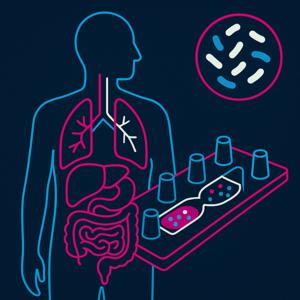


Dive into the microscopic world where researchers are using innovative technology to understand life-threatening fungal infections. This podcast offers a unique glimpse into how scientists are mimicking the human intestine in the lab to study the common yeast Candida albicans and its transformation into a dangerous pathogen. Listen as we explore how this advanced "organ-on-chip" model allows for real-time observation of these intricate infections, the damage they inflict on human-like tissue, and even the delivery and effectiveness of antifungal drugs like caspofungin. Discover the delicate battle between fungus and host, the challenges of drug resistance, and how this cutting-edge research is paving the way for new strategies to combat these elusive invaders.
Have you ever wondered how we ensure the safety of the medications we take? This podcast delves into the crucial area of drug-induced liver injury, a serious concern in healthcare and drug development. We explore the challenges of current testing methods and spotlight innovative research using a sophisticated 3D human liver model that mimics our body's complexity. Discover how scientists are using this cutting-edge technology to understand why some drugs can unexpectedly harm the liver, as was the case with trovafloxacin, and how this compares to seemingly safer alternatives like levofloxacin. Learn about the intricate mechanisms of drug toxicity, from inflammatory responses to cellular stress, and how this advanced model offers a more reliable way to detect potential dangers before they reach patients, promising a future of safer medicines and reduced animal testing.
Have you ever wondered about potential new ways to tackle the ongoing challenges of viruses like SARS-CoV-2? This podcast dives into fascinating scientific research exploring the effects of a common medication, a special form of aspirin known as LASAG, on this virus. Discover how studies are uncovering LASAG's ability to reduce viral replication and even calm down the body's overactive inflammatory responses and blood clotting issues sometimes associated with the infection. You'll also hear about the exciting possibility of combining LASAG with existing antiviral treatments like remdesivir for a stronger effect. It's a look into the crucial work of scientists as they investigate and adapt potential therapies in the face of a global health concern.
Ever wondered how our bodies fight off dangerous lung infections? Take a peek with us into the fascinating world of invasive lung infections and the innovative science seeking to understand them. We'll explore how a special model, a tiny "lung-on-a-chip," is allowing researchers to get up close and personal with the common fungus Aspergillus fumigatus as it attempts to invade our lung tissues. Discover the crucial role of our immune guardians, the macrophages, as they encounter this threat, and learn how scientists are using this cutting-edge technology to test the effectiveness of antifungal drugs like caspofungin, revealing new insights into how these treatments work. This is a chance to witness the intricate battles happening inside our lungs and appreciate the ingenuity driving the search for better ways to protect those most vulnerable.
Ever wonder how our lungs defend themselves against the onslaught of infections like pneumonia, a leading cause of hospitalizations worldwide? This podcast dives deep into the intricate battle that unfolds within our respiratory system, exploring the crucial role of surfactant protein-A (SP-A) as a first line of immune defense. We unravel how a common bacterium, Staphylococcus aureus, can cleverly reduce the levels of this vital protein, potentially through its own proteases, and how this might weaken our lung's defenses. Discover the fascinating interplay between viruses like influenza and bacteria, and how their co-infection can impact SP-A expression, potentially contributing to more severe lung infections. Join us as we explore the complex interactions between our cells and these microscopic invaders, shedding light on the delicate balance that keeps our lungs healthy, informed by cutting-edge research using advanced models that mimic the human lung.
Discover how a team of researchers has developed a unique human cell co-culture system to study the infection caused by Francisella tularensis, the culprit behind tularemia. We delve into how this innovative model, combining immune cells called macrophages and liver cells known as hepatocytes, allows for detailed investigation of the infection process and the body's defense mechanisms. Join us to learn how this research sheds light on the different behaviors of various strains of this bacterium and their ability to evade our immune system, ultimately providing valuable insights into potential future treatments
Embark on a fascinating journey into the intricate world of the liver and its defenders, the natural killer cells. This podcast delves into groundbreaking research that brings us closer to understanding how our liver's immune system, with NK cells at the forefront, tackles threats like pathogens and injury. Join us as we explore the innovative development of a microfluidically perfused liver-on-a-chip model, a sophisticated in vitro system that now includes functional human NK cells. Discover how this cutting-edge technology allows scientists to study the complex interactions of NK cells with other liver cells and their role in liver inflammation, offering exciting new possibilities for future immunological studies and a deeper appreciation for our body's natural defenses.
Welcome to the show where we delve into the fascinating world of how our bodies fight off invaders! In this episode, we explore groundbreaking research using a cutting-edge liver-on-chip model to understand how the common bacterium Staphylococcus aureus can cleverly hide within our immune cells, specifically macrophages, in the liver. We'll uncover how different types of these immune cells, known as M1 and M2 polarized macrophages, have varying success in dealing with this persistent bug, with M2 macrophages unfortunately providing a more welcoming environment for the bacteria to survive and even change form into sneaky small colony variants (SCVs). Join us as we unravel the intricate dance between bacteria and our immune system, shedding light on how these microscopic battles can influence the course of infections and potentially lead to long-term challenges
Welcome! In this episode, we dive into groundbreaking research exploring a novel way to fight cancer by cleverly manipulating our own immune cells. We uncover how a natural compound called chondramide A (ChA) can selectively target the "bad" M2 macrophages that help tumors grow, while simultaneously boosting the "good" M1 macrophages that fight cancer. Surprisingly, CHA achieves this by messing with the actin cytoskeleton inside these immune cells, causing a disruption in their structure. The exciting part? When M1 macrophages were treated with CHA in a lab-grown tumor model, they became super-charged, releasing TNFα and effectively killing cancer cells. Join us as we break down this fascinating study that hints at a promising new strategy for anti-cancer therapies by reprogramming the tumor microenvironment!
Ever wondered how our liver responds to severe infections like sepsis? This episode delves into fascinating research where scientists have created a tiny, intricate human liver model on a biochip. By mimicking the conditions of inflammation using molecules that trigger immune responses, they observed how the liver becomes dysfunctional. But the story doesn't end there! The researchers discovered that human monocytes, a type of immune cell, play a remarkable role in helping the liver recover, restoring important functions and reducing damage. This innovative model offers a valuable new way to understand the complexities of sepsis-related liver problems and explore potential pathways for healing.
From the publisher's feed