
Sign up to save your podcasts
Or

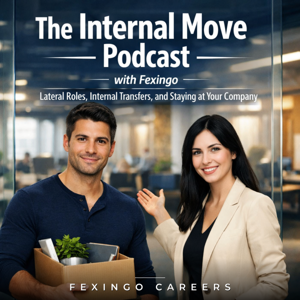


Most employees treat internal transfers as a negotiation, but they should treat them as intelligence gathering. This episode explores how to conduct an internal exit interview when moving to a different department or team within the same company. We look at why leaving your current manager for a role in marketing or engineering is less about salary and more about network expansion and skill diversification. Using data from recent corporate mobility reports, we discuss the psychological safety required to ask hard questions before you go. Lucas breaks down the three critical questions every candidate should ask their current boss to uncover hidden organizational friction. Luna shares her experience with a lateral move that revealed systemic issues in resource allocation. If you are thinking about making a sideways jump, this conversation will help you decide if it is a strategic upgrade or just a change of scenery.
#InternalMobility #CareerStrategy #CorporateTransfers #LateralMoves #ExitInterview #EmployeeRetention #CareerGrowth #HumanResources #ManagementAdvice #WorkplaceCulture #SkillDevelopment #CareerTransition #FexingoBusiness #BusinessPodcast #CareersShow #ProfessionalDevelopment #OrganizationalBehavior #LeadershipSkills
Keep every episode free: buymeacoffee.com/fexingo
Most professionals chase vertical titles, but the smartest career capital is often built through lateral transfers. We examine how internal mobility at Microsoft shifted focus from pure management tracks to cross-functional product roles. With data showing that lateral movers often see faster skill acquisition and higher long-term retention than vertical climbers, we break down why staying put or moving sideways can be more valuable than chasing a corner office. This episode explores the hidden equity of broadening your scope rather than just raising your level.
#LateralMoves #InternalTransfers #CareerStrategy #MicrosoftCaseStudy #CrossFunctionalRoles #SkillDiversification #CorporateMobility #JobHoppingVsStaying #CareerCapital #VerticalVsHorizontal #EmployeeRetention #OrganizationalDesign #LeadershipDevelopment #BusinessPodcast #FexingoBusiness #CareersAdvice #WorkplaceTrends2026 #ProfessionalGrowth
Keep every episode free: buymeacoffee.com/fexingo
In this episode, we examine the 'Career Anchor Effect' that traps high-performers in roles they’ve outgrown. Using a specific case from a major technology firm where internal mobility was restricted by rigid banding rules, Lucas and Luna explore how staying at your company can actually stall your compensation trajectory and skill growth. We look at why lateral moves often feel like demotions despite being strategic, and discuss the invisible network tax that kills future promotions. If you’re considering a lateral transfer to preserve institutional memory or build a second career, this episode breaks down the real costs involved.
#InternalMobility #CareerGrowth #LateralMoves #CompensationStrategy #CorporatePolitics #SkillDevelopment #RetentionStrategy #JobHopping #PromotionPath #InstitutionalMemory #NetworkTax #CareerAnchor #BusinessStrategy #HumanResources #WorkplaceCulture #FexingoBusiness #BusinessPodcast #CareerAdvice
Keep every episode free: buymeacoffee.com/fexingo
We explore the strategic value of internal lateral moves in preserving institutional memory, using the example of a mid-level manager at a major tech firm who shifted roles to bridge silos. Lucas and Luna discuss how staying put can build a unique career anchor, while also examining the invisible costs and network taxes associated with transfers. This episode dives into the specific dynamics of cross-departmental mobility, offering concrete advice on leveraging existing relationships to accelerate career growth without leaving the company.
#InternalMobility #CareerStrategy #InstitutionalMemory #LateralMoves #CorporateCulture #NetworkEffects #CareerGrowth #BusinessPodcast #FexingoBusiness #LucasAndLuna #TechIndustry #HumanResources #EmployeeRetention #CareerAdvice #WorkplaceDynamics #SkillTransfer #OrganizationalBehavior #CareerDevelopment
Keep every episode free: buymeacoffee.com/fexingo
Most internal transfers fail not because of skill gaps, but due to the 'context tax' — the hidden cognitive load of rebuilding institutional knowledge in a new role. We examine how employees at large firms often lose 30 percent of their productivity in the first quarter after moving laterally, and why traditional onboarding ignores this specific friction point. Lucas and Luna explore the mechanics of social capital decay and offer a practical framework for preserving your network equity when you change desks within the same organization.
#InternalMobility #CareerStrategy #OrganizationalBehavior #CorporateCulture #EmployeeRetention #SocialCapital #Onboarding #WorkplacePsychology #LateralMoves #ProductivityLoss #InstitutionalKnowledge #LeadershipDevelopment #HumanResources #FexingoBusiness #BusinessPodcast #CareerAdvice #ManagementTips #FutureOfWork
Keep every episode free: buymeacoffee.com/fexingo
Most career advice focuses on what you gain by moving laterally—new skills, fresh networks, or a reset salary. This episode explores the opposite: what your current employer loses when you stay put versus what you lose when you leave. We examine how institutional memory functions as a form of invisible equity, using the case of a mid-level operations manager who leveraged her deep knowledge of legacy systems to negotiate a unique strategic role rather than seeking a traditional promotion. By October two thousand twenty-six, with companies increasingly valuing continuity over rapid hiring, understanding this dynamic can change how you frame your next internal move.
#InternalMobility #InstitutionalMemory #CareerStrategy #LateralMoves #EmployeeRetention #CorporateCulture #FexingoBusiness #BusinessPodcast #CareerDevelopment #WorkplaceDynamics #TalentManagement #OrganizationalBehavior #CareerGrowth #JobHopping #InternalTransfers #LeadershipSkills #CompanyLoyalty #StrategicPlanning
Keep every episode free: buymeacoffee.com/fexingo
Internal transfers often look like clean swaps on an org chart, but they carry a hidden cost: the network tax. In this episode, we break down how moving laterally within a company can silently erode your informal influence and decision-making speed. We use a concrete example from a major tech firm to show how proximity to power shifts when you leave your home team. Lucas and Luna explore why staying in your comfort zone might be preserving more social capital than you realize, and how to calculate that invisible debt before making your next move.
#CareerStrategy #InternalMobility #NetworkEffect #CorporatePolitics #SocialCapital #LateralMoves #FexingoBusiness #BusinessPodcast #OfficeCulture #LeadershipSkills #CareerGrowth #TeamDynamics #InfluenceMapping #ProfessionalDevelopment #WorkplaceAdvice #CareerTransitions #OrganizationalBehavior #FexingoCareers
Keep every episode free: buymeacoffee.com/fexingo
Internal lateral moves are often sold as career accelerators, but they carry a hidden liability: the institutional debt you leave behind. In this episode, we examine how transferring teams resets your social capital and creates a credibility gap that can stall promotions for eighteen months or more. Using a specific case study from a major fintech firm where an engineer moved laterally to product management, we break down the mechanics of trust decay and why staying put can sometimes be the smarter financial play. We look at data on promotion velocity post-transfer versus those who deepened their expertise in one role, and offer a framework for calculating whether the potential upside justifies the invisible tax on your reputation.
#CareerStrategy #InternalMobility #LateralMoves #InstitutionalDebt #SocialCapital #CareerGrowth #CorporatePolitics #PromotionVelocity #TrustDecay #FexingoBusiness #BusinessPodcast #CareerAdvice #WorkplaceCulture #ProfessionalDevelopment #TeamDynamics #LeadershipSkills #EmployeeRetention #CareerPlanning
Keep every episode free: buymeacoffee.com/fexingo
We’re looking at the counter-intuitive reality that high performers are often the first to exit a company during restructuring or cultural shifts, not because they’re unhappy, but because their market value is highest when they leave. Using data from recent labor market trends in September twenty twenty-six, we explore why internal transfers rarely save the top talent and how staying put can actually be a strategic risk. Lucas and Luna break down the specific mechanics of retention bias and what it means for your career trajectory.
#InternalMobility #TalentRetention #CareerStrategy #LaborMarket2026 #HighPerformers #CorporateCulture #EmployeeChurn #LateralMoves #FexingoBusiness #BusinessPodcast #HumanResources #WorkplaceDynamics #CareerGrowth #CompanyLoyalty #JobMarket #ProfessionalDevelopment #OrganizationalBehavior #CareerAdvice
Keep every episode free: buymeacoffee.com/fexingo
Most career coaches warn that lateral internal transfers are a resume dead-end, but there is a hidden mechanism called skill bankruptcy that makes the opposite true. We look at how moving into a new department resets your value proposition by forcing you to shed obsolete expertise and acquire high-leverage skills that external hiring managers actually pay for. Using data on internal mobility retention rates and specific case studies from major tech firms in the third quarter of twenty twenty six, we break down why staying put can be more dangerous than jumping desks, and how to structure your first ninety days to avoid the common trap of carrying over outdated processes instead of building new ones.
#InternalMobility #CareerStrategy #LateralMoves #SkillDevelopment #CorporateCareers #EmployeeRetention #JobHopping #ProfessionalGrowth #HRInsights #WorkplaceCulture #LeadershipDevelopment #BusinessPodcast #FexingoBusiness #CareerCoaching #TechIndustry #ManagementSkills #OrganizationalBehavior #FexingoPodcasts
Keep every episode free: buymeacoffee.com/fexingo
From the publisher's feed