
Sign up to save your podcasts
Or

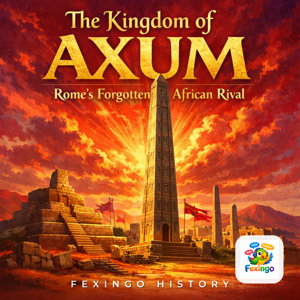


In this episode, we explore a pivotal but often overlooked moment in Aksumite history: the reign of King Gersem (c. 260–280 CE) and his desperate war against the Beja nomads who threatened the empire's heartland. Unlike earlier Beja skirmishes, this invasion saw the Beja, under their chief, attack deep into the Tigray highlands, sacking villages and burning crops. Gersem, whose name appears on the few coins he minted, rallied the Aksumite army and eventually repelled the invaders, but the cost was high—the empire lost control of the vital Elephant Highway for a generation. We discuss the archaeological evidence from the stelae at Axum, the Ge'ez inscriptions that mention 'Gersem son of Galla,' and the diplomatic marriage he arranged to seal peace with the Beja. We also examine how this conflict weakened Axum just as the Sassanid Empire and Rome were vying for control of Red Sea trade, setting the stage for later challenges under King Endubis.
#Axum #Gersem #Beja #Tigray #ElephantHighway #RedSeaTrade #Sassanid #Rome #Ge'ez #Coinage #Stelae #Invasion #260CE #Endubis #Galla #History #FexingoHistory #EastAfrica
Keep every episode free: buymeacoffee.com/fexingo
In this episode, Lucas and Luna explore the reign of King Kaleb of Axum, the Ethiopian emperor who launched a massive military expedition across the Red Sea in 525 CE to overthrow the Jewish Himyarite king Dhu Nuwas. They discuss the complex geopolitical landscape of late antique Arabia, where Axum, the Sassanid Empire, and Byzantium vied for control of the lucrative incense and spice trade routes. The conversation covers Kaleb's alliance with Byzantine emperor Justin I, the brutal massacre of Christians in Najran that triggered the invasion, and the archaeological evidence from the Marib Dam inscriptions. They also delve into the aftermath: Axum's brief domination of Yemen, the rise of the rebel king Abreha, and the eventual Sassanid intervention that pushed Axum back to Africa. The episode ties this pivotal moment to broader themes of African agency in global history, showing how Axum rivaled Rome and Persia as a major power of the ancient world.
#Axum #Kaleb #DhuNuwas #Himyar #Yemen #Byzantium #Sassanid #Najran #RedSea #MaribDam #WarElephants #Christianity #Judaism #Procopius #CosmasIndicopleustes #AncientAfrica #History #FexingoHistory
Keep every episode free: buymeacoffee.com/fexingo
In the 3rd century CE, a little-known Aksumite king named Sembrouthes took a title that no ruler in East Africa had dared before: King of the Four Quarters of the World. This episode dives into the monumental inscription he left at Adulis, a stone record of his reign that reveals a kingdom at its peak — controlling the Red Sea trade, minting gold coins, and projecting power across the highlands. We explore the meaning of that grandiose title, the diplomatic gifts Sembrouthes dispatched to the Himyarite kingdom in Yemen, and the brutal campaign he waged against the rebellious Beja nomads. Along the way, we touch on the mysterious 'crescent-and-disc' emblem that appeared on his coins, the god Mahrem to whom he dedicated his victories, and the ongoing debate among historians: was Sembrouthes the first Aksumite king to assert dominance over all four cardinal directions, or was he following a tradition we've lost? This is the story of a ruler who tried to conquer the world — and left a stone to prove it.
#Aksum #Sembrouthes #KingOfTheFourQuarters #Adulis #Beja #Himyar #MonumentumAdulitanum #Mahrem #CrescentAndDisc #AxumiteGold #RedSeaTrade #EastAfrica #ThirdCentury #NubianHistory #AncientEthiopia #Ge'ez #FexingoHistory #History
Keep every episode free: buymeacoffee.com/fexingo
In this episode of Fexingo History, Lucas and Luna explore the reign of King Ousanas (Ella Amida) of Axum and the arrival of Christianity in the 4th century. They discuss the shipwrecked young Syrian, Frumentius, who rose to become Axum's first bishop, his companion Aedesius, and the diplomatic mission to Alexandria that secured the new faith's legitimacy. The conversation covers the interplay of traditional Aksumite religion—gods like Mahrem, Astar, Beher, and Medr—with the emerging Christian identity under Ousanas and his son Ezana. Lucas explains the political motivations behind the conversion, the connection with Roman emperor Constantine, and the Ethiopian tradition that links the Ark of the Covenant to Axum. Luna asks sharp questions about Frumentius's role, the fate of pagan temples, and the tensions between the new faith and the old order. The episode ends with a donation segment tied to the topic of religious change, then circles back to the lingering mystery of how Christianity truly took root in East Africa.
#Axum #Ousanas #EllaAmida #Frumentius #Christianity #Aedesius #Ezana #Mahrem #Astar #Beher #Medr #MonumentumAdulitanum #Ge'ez #Adulis #Constantine #History #FexingoHistory #EastAfrica
Keep every episode free: buymeacoffee.com/fexingo
In this episode of The Kingdom of Axum: Rome's Forgotten African Rival, Lucas and Luna explore the reign of King Ebana, a little-known fourth-century ruler who faced a massive Beja uprising that threatened the empire's trade routes. They dive into the bilingual inscription at Adulis, which records Ebana's campaign into the eastern desert, his use of camels for rapid deployment, and the geopolitical consequences of losing the Elephant Highway. The conversation also touches on the shift from polytheistic crescent-and-disc symbology to early Christian iconography on Axumite coinage, the role of the port of Adulis in financing the war, and how Ebana's victory may have delayed the empire's decline. A must-listen for anyone interested in the military history and economic foundations of ancient East Africa.
#Axum #Ebana #Beja #Adulis #ElephantHighway #AncientAfrica #MilitaryHistory #Coinage #Ge'ez #MonumentumAdulitanum #CrescentAndDisc #Christianity #RedSeaTrade #KingOfTheFourQuarters #Sassanid #EastAfrica #History #FexingoHistory
Keep every episode free: buymeacoffee.com/fexingo
While Ezana's conversion is famous, King Sembrouthes ruled a generation earlier—and his trilingual inscription at Adulis reveals a pivotal moment when Axum was still polytheistic but already dreaming of a universal empire. This episode deciphers the 'King of the Four Quarters' title, explores the political symbolism of the crescent-and-disc emblem, and examines how Sembrouthes used trade diplomacy with Rome and Himyar to expand Axum's reach. We look at the Monumentum Adulitanum, the port of Adulis, and the Elephant Highway, and consider why Sembrouthes—despite being all but forgotten—set the stage for his Christian successors. The episode also revisits the Beja threat and the shifting alliances in the Red Sea.
#Sembrouthes #Axum #Aksumite #Adulis #MonumentumAdulitanum #FourQuarters #ElephantHighway #Beja #Himyar #RedSeaTrade #Ge'ez #crescentAndDisc #KingOfTheFourQuarters #3rdCentury #Polytheism #History #FexingoHistory #EastAfrica
Keep every episode free: buymeacoffee.com/fexingo
In this episode of Fexingo History, Lucas and Luna explore the maritime power of the Kingdom of Axum. While Axum is often remembered for its towering stelae and overland ivory routes, its navy was the true engine of its wealth and influence. We examine how Aksumite kings like Ezana and Kaleb used warships to project power across the Red Sea, controlling trade from Adulis to India. Learn about the Aksumite fleet's role in the conquest of Himyar, the suppression of pirates, and the protection of Roman-Indian trade. We also discuss the archaeological evidence for Axum's ships, including depictions on coins and the Monumentum Adulitanum. Discover how the decline of Adulis and the rise of Sassanid naval power contributed to Axum's fall. Specific figures: Ezana, Kaleb, Cosmas Indicopleustes, and the anonymous author of the Periplus of the Erythraean Sea. Places: Adulis, Aksum, Himyar, Zafar, Constantinople. Concepts: monsoons, dhow, Red Sea trade, maritime hegemony.
#AksumiteNavy #Adulis #RedSeaTrade #Ezana #Kaleb #MonumentumAdulitanum #PeriplusErythraeanSea #Himyar #CosmasIndicopleustes #MaritimeHistory #EastAfrica #AncientTrade #IndianOcean #Sassanid #Dhow #Monsoon #History #FexingoHistory
Keep every episode free: buymeacoffee.com/fexingo
In this episode, Lucas and Luna explore the collapse of Axum's port city of Adulis and the end of the Elephant Highway ivory trade. Around the 7th century, Adulis declined due to silting, rising sea levels, and the rise of Islam, which disrupted Red Sea routes. Lucas explains how the ivory trade had connected Axum to Rome, India, and beyond, and how its end contributed to the kingdom's slow decline. He discusses the role of the Beja people, who shifted from trade partners to raiders, and the shift of power inland to the highlands. The episode also touches on archaeological evidence at Adulis and mentions the Periplus of the Erythraean Sea, Cosmas Indicopleustes, and the Monumentum Adulitanum. It ends with a reflection on how environmental and economic shifts can silently transform civilizations.
#Axum #Adulis #ElephantHighway #IvoryTrade #EastAfrica #RomanTrade #Beja #CosmasIndicopleustes #PeriplusOfTheErythraeanSea #AncientTrade #RedSea #PortDecline #ClimateChangeHistory #Silting #MonumentumAdulitanum #AfricanHistory #History #FexingoHistory
Keep every episode free: buymeacoffee.com/fexingo
In the early 6th century, as the kingdom of Axum emerged as a major power in the Red Sea, its Christian king Kaleb sent an embassy to the Byzantine emperor Justin I in Constantinople. This episode traces that diplomatic mission — from its likely route through Alexandria to the gifts exchanged and the geopolitical stakes: control of the incense and ivory trade, rivalry with Sassanid Persia, and shared Christian identity. Drawing on Procopius's account and the Greek inscriptions of Adulis, we examine how Axum positioned itself as Rome's ally yet equal, and what that tells us about the multipolar world of Late Antiquity. We also consider the limits of this alliance: why Byzantium never helped Axum hold its conquests in South Arabia, and how the mission reveals Axum's sophisticated foreign policy.
#Axum #Byzantium #Kaleb #JustinI #Constantinople #Procopius #Adulis #RedSea #Diplomacy #LateAntiquity #Sassanid #IncenseTrade #IvoryTrade #Alexandria #Geopolitics #AfricanHistory #History #FexingoHistory
Keep every episode free: buymeacoffee.com/fexingo
In this episode of The Kingdom of Axum: Rome's Forgotten African Rival, hosts Lucas and Luna explore the intricate network of the Elephant Highway, the ancient trade route that funneled ivory from the African interior to the Red Sea and beyond. They discuss the role of the Elephantophagoi—'elephant-eaters'—a little-known group that specialized in hunting and trading elephant products, and how Axum's control of this corridor underpinned its economic might. The conversation also touches on the geopolitical tensions with the Beja tribes, the impact of climate shifts on elephant populations, and how Roman demand for ivory shaped East African political economies. Drawing on accounts from the Periplus of the Erythraean Sea and Claudius Ptolemy, Lucas and Luna illuminate a crucial but often overlooked aspect of Axum's commercial empire.
#Axum #ElephantHighway #IvoryTrade #RedSeaCommerce #Elephantophagoi #PeriplusErythraeanSea #ClaudiusPtolemy #Beja #Adulis #EastAfrica #RomanIvory #AncientTrade #AksumiteEmpire #SubSaharanAfrica #WildlifeHistory #EconomicHistory #History #FexingoHistory
Keep every episode free: buymeacoffee.com/fexingo
From the publisher's feed