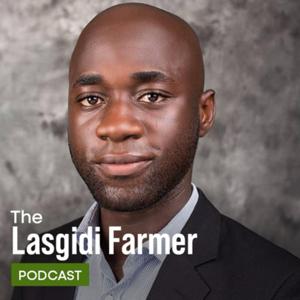
23rd June, 2025, I lectured a class of master's students at the Department of Agricultural Extension and Rural Development, University of Ibadan.
I was invited by Senior lecturer, Idris Olabode Badiru to come expose the students to the evolving nature of the discipline, the increasing role of digital media and emerging trends, and also the realities and possibilities beyond school, using my podcast and agricultural communication activities as case study.
This was to expand the post-graduate students’ knowledge and capacity and prepare them for life after school, the critical needs and the future of the field.
It was a 2hr lecture from 11am to 1pm with the following structure:
- Introduction and Content (10 mins)
- Core lecture with slides (60 mins)
- Interactive case study activity (30 mins)
- Q&A and wrap-up (20 mins)
The lecture was an interesting and interactive one. I educated on what agricultural and rural development journalism is, the essence, and its distinct difference from general journalism. I stressed the impacting and participatory nature of agricultural and rural development journalism and the for specific specilaized knowledge for anyone seeking a career in the field.
I took the scholars through how journalism is evolving with consideration of cost, usability, accessibility, versatility, experience and participation etc. and how digital media is being rapidly adopted. Also emphasized were emerging trends in journalism and their impacts -AI, augmented reality, immersive story telling, interactive visuals, animations, etc.
I exposed the students to career possibilities in Agricultural and Rural Development Journalism, informing them about the different careers in the field and insights on pursuing them.
I took the post-grads through podcasting using my podcasting as case study and talking on navigating career in agricultural communications. I enlightened them on attaining clarity and choosing a part, things to consider starting and the mindset and values to embody and how to organically grow, leverage network and social media.
I also discussed with them what social media has to offer, the benefits and the individual strengths of each app and taught how to leverage them effectively and for career growth.
I engaged them in firsthand practical creation of attention-grabbing and holding caption, title, headlines and stories, and on Facebook, X and Instagram, and edutainments (soap opera, short drama, infomercial).
I was amazed by the brilliance of the students -their answers to questions and the quality of work they delivered in short timespan to the exercise.
This expansive and practical education is really important to expanding the knowledge horizons of the scholars and positioning them for self-development and improvement, and impact.
I was happy the Department and Senior Lecturer Idris Olabode Badiru facilitated this -merging theory with practical.
This helps with building an enthusiastic savvy skill-force that bridges information and communication gaps promoting awareness, understanding, collaborations and actions resolving agricultural and rural development issues unlocking growth with spread to other sectors and with impact on the society at large.