
Sign up to save your podcasts
Or

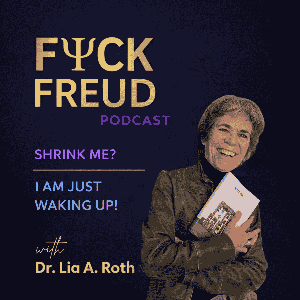

What happens when the language you use to explain yourself isn't actually yours? This episode explores narrative coherence, borrowed language, and the difference between making meaning and performing someone else's script.
Research shows that coherent self-narratives improve emotional regulation and reduce depression — but only when they promote integrative meaning-making, not ruminative rehearsal.
Dr. Roth examines how pre-owned psychological language (trauma, attachment, dysregulation) can foreclose authentic self-understanding, turning self-knowledge into adaptive performance.
From interpellation to ownership culture, this episode asks: are you discovering yourself, or auditioning for recognition inside someone else's theory?
Key takeaways:
For listeners questioning whether their self-understanding is genuinely theirs — or just the latest acceptable interpretation of being human.
Keywords: narrative coherence, self-knowledge, psychological language, meaning-making, emotional regulation, attachment theory, trauma narrative, identity formation, psychoanalysis
 View all episodes
 By Dr. Lia Roth
What happens when the language you use to explain yourself isn't actually yours? This episode explores narrative coherence, borrowed language, and the difference between making meaning and performing someone else's script.
Research shows that coherent self-narratives improve emotional regulation and reduce depression — but only when they promote integrative meaning-making, not ruminative rehearsal.
Dr. Roth examines how pre-owned psychological language (trauma, attachment, dysregulation) can foreclose authentic self-understanding, turning self-knowledge into adaptive performance.
From interpellation to ownership culture, this episode asks: are you discovering yourself, or auditioning for recognition inside someone else's theory?
Key takeaways:
For listeners questioning whether their self-understanding is genuinely theirs — or just the latest acceptable interpretation of being human.
Keywords: narrative coherence, self-knowledge, psychological language, meaning-making, emotional regulation, attachment theory, trauma narrative, identity formation, psychoanalysis