
Sign up to save your podcasts
Or

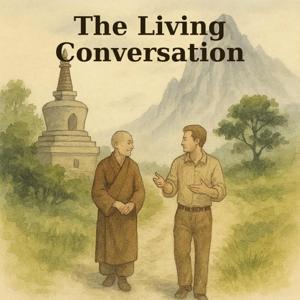


This podcast episode features an enlightening discussion with Lee Carlson, a distinguished Zen practitioner, author, and sea captain. We delve into the profound implications of mindfulness in tumultuous times, particularly in the context of contemporary sociopolitical challenges. Carlson elucidates the necessity of embracing compassion, even towards contentious figures, as a means to cultivate inner peace amidst external chaos. The conversation further explores the metaphorical resonance of the ocean in relation to the mind, emphasizing the importance of remaining grounded and present. As we navigate this complex landscape, we invite our listeners to reflect on their own practices and the transformative power of compassion and mindfulness. The dialogue unfolds with Anthony Wright and co-host Adam Dietz engaging in a profound discourse with their guest, Lee Carlson, an individual whose multifaceted identity encompasses that of a Zen practitioner, sea captain, soccer coach, and author. The conversation delves into the depths of Carlson's experiences, particularly highlighting his recent literary endeavor titled 'A Single Excellent Night', wherein he articulates insights drawn from his life, notably his journey as a survivor of a traumatic brain injury. This episode intricately explores the interrelation between mindfulness and the tumultuous landscape of contemporary society, as Carlson reflects on the necessity of compassion amidst adversity. The discussion further probes the existential question of whether even contentious figures possess Buddha nature, symbolizing a broader inquiry into human potential and the innate capacity for goodness that exists within us all. Through Carlson's narrative, listeners are invited to contemplate the significance of accepting uncertainty and the importance of maintaining a compassionate outlook, even towards those with whom we may fundamentally disagree. In a furtherance of the dialogue, Carlson elucidates the metaphorical significance of the ocean in Zen practice, likening the vastness of the sea to the expansiveness of the mind. As a seasoned sailor, he shares how the ocean serves as a backdrop for introspection and tranquility, contrasting the chaotic nature of urban life. This thematic exploration underscores the relationship between nature and mindfulness, suggesting that the serene environments foster a conducive atmosphere for spiritual awakening. Moreover, Carlson reflects on the teachings of his mentors, such as Peter Mathiason and Joanna Macy, who advocate for the 'Shambhala warrior' ethos—engaging actively in the world while embodying compassion and love as the primary tools for effecting change. The episode culminates in a resonant call to embrace both the light and dark aspects of our nature, fostering a sense of unity and understanding in an increasingly polarized world. As the conversation progresses, the hosts and Carlson engage in a reflective examination of the challenges facing contemporary spiritual seekers, particularly the youth, who find themselves navigating a landscape inundated with distractions and anxieties, exacerbated by the prevalence of technology. The discussion pivots towards practical approaches for instilling mindfulness in younger generations, emphasizing the importance of leading by example and actively engaging in educational outreach. Carlson recounts a personal anecdote involving his own sons, illustrating the potential for positive influence through a commitment to mindfulness practices. The episode not only serves as a platform for sharing Carlson's insights but also as a clarion call for collective engagement in promoting compassion and understanding in society. Ultimately, listeners are encouraged to reflect on their own practices and the transformative potential of mindfulness in their lives.
Takeaways:
The focal point of this discussion revolves around the profound evolution of human dietary habits and their repercussions on health, as articulated by our esteemed guest, Bob Martin. He elucidates the transition from the hunter-gatherer lifestyle to a sedentary agricultural society, highlighting the excesses of fat, salt, and sugar that pervade contemporary diets. This discussion further delves into the implications of chronic stress in modern life, contrasting it with the acute dangers faced by our ancestors. Martin emphasizes the necessity of cultivating well-being through intentional practices that enhance mental health, positing that rather than merely reducing stress, one ought to elevate the antidotes to stress. The conversation culminates in the integration of Eastern and Western philosophical perspectives, advocating for a holistic approach to wellness that encompasses both dietary and mental health considerations. The conversation with Bob Martin traverses the complex interplay between human evolution, dietary habits, and the implications for contemporary health. Martin articulates the profound shifts that have taken place from the hunter-gatherer lifestyle to modern agricultural practices, emphasizing how these changes have fundamentally altered our relationship with food. The abundance of processed foods high in sugars and fats presents a stark contrast to the limited caloric intake of our ancestors, leading to what Martin identifies as an obesity epidemic in today’s society. This episode challenges listeners to consider how our evolutionary biology is at odds with our current dietary landscape, urging a critical reevaluation of our eating habits in light of our ancestral heritage. In addition to dietary concerns, Martin offers a keen analysis of the psychological effects of modern stressors. He delineates the differences between acute stress, which our ancestors faced in the form of immediate dangers, and the chronic, undifferentiated stress that characterizes contemporary life. This chronic stress, he argues, is detrimental to our mental health, as it activates the body’s stress response without providing the necessary outlets for physical release. Throughout the discussion, Martin emphasizes the importance of recognizing these evolving stressors and adapting our coping strategies to foster resilience against the backdrop of modern life. The episode is further enriched by Martin’s insights into practical solutions for enhancing our well-being amidst pervasive stress. He advocates for engagement in joyful and awe-inspiring activities, which stimulate the left side of the brain and promote positive mental states. By encouraging practices such as mindfulness, spending time in nature, and cultivating gratitude, he presents an actionable framework for improving mental health. This episode not only provides a thoughtful exploration of human evolution and its impact on health but also equips listeners with practical tools to navigate the complexities of modern living.
Takeaways:
Links referenced in this episode:
The primary focus of this podcast episode is the profound intersection of mindfulness, Taoism, and the I Ching, as articulated by our guest, Bob Martin, who is both an attorney and a meditation teacher. Through an enlightening dialogue, Bob recounts his transformative journey from a high-pressure legal profession to a more reflective and balanced existence, heavily influenced by his studies under Master Hui Cheng Ni. He elucidates how the I Ching serves as a vital tool for understanding the cyclical nature of life, delineating the importance of recognizing the appropriate responses to varying life circumstances. This conversation delves into the nuances of integrating Taoist principles into daily living, particularly the delicate balance of Yin and Yang, which encourages a retreat from excess and a return to inner stability. As we engage with Bob’s insights, we aim to foster a deeper understanding of how mindfulness practices can enrich our lives and enhance our decision-making processes amidst the complexities of modern existence. The dialogue unfolds with an exploration of mindfulness, as co-hosts Anthony Wright and Adam Dietz engage with Bob Martin, an attorney, social worker, and meditation teacher. Bob shares his transformative journey that began with an unexpected encounter with a profound Taoist principle during a pivotal moment in his life. This encounter led him to study under Master Hui Cheng Ni, delving into the I Ching, the ancient Chinese text that offers wisdom through its 64 hexagrams. This text serves as a guide for understanding the cyclical nature of life, emphasizing the importance of recognizing and responding appropriately to varying life circumstances. Bob articulates how the I Ching’s teachings foster a deeper comprehension of timing within one’s personal and professional life, illustrating that wisdom emerges from embracing both prosperity and adversity with grace and discernment. The conversation intricately weaves together the philosophical underpinnings of Taoism and practical mindfulness, highlighting how these principles can illuminate the path to a more harmonious existence.
Takeaways:
In this enlightening discourse, we delve into the profound and intricate process of self-discovery, as elucidated by our esteemed guest, Kristen Crabtree, a divorce coach and former hypnotherapist. Central to our discussion is the notion that understanding one’s authentic self necessitates a metaphorical excavation, akin to an archaeological dig, wherein layers of adaptation and societal conditioning must be meticulously stripped away. Crabtree posits that each individual's truth is intrinsically personal, asserting that the journey towards self-awareness requires a conscious effort to peel back the masks worn to attain societal acceptance. Through a structured approach that encompasses various dimensions of the self—mental, emotional, physical, and energetic—she provides listeners with tools to engage in this transformative expedition. Ultimately, we explore the imperative of recognizing and transcending the filters through which we perceive our reality, urging a profound shift towards embracing one's true essence.
Takeaways:
The discussion centers on the transformative journey individuals undergo in the aftermath of divorce, as articulated by our esteemed guest, Kristen Crabtree, a divorce coach and former hypnotherapist. She elucidates the essential process of self-discovery, emphasizing the profound question of identity that arises post-divorce. Crabtree advocates for the importance of peeling away societal masks and layers that inhibit one's true essence, suggesting that embracing vulnerability is vital for authentic relationships and personal growth. Her insights into the psychological and emotional ramifications of trauma shed light on the path toward healing and understanding one's true self. Through her work, she aims to guide individuals through the intricacies of their experiences, ultimately helping them to redefine their existence beyond their past relationships. Kristen Crabtree's insightful dialogue with Anthony Wright and Adam Dietz traverses the complex landscape of identity reconstruction following divorce. As a divorce coach, she brings a wealth of knowledge and experience to the conversation, emphasizing that the journey through divorce is not merely about ending a relationship, but rather embarking on a profound quest for self-understanding. Kristen articulates her belief that many individuals emerge from divorce questioning their very essence, leading to the pivotal inquiry: 'Who am I outside of my marriage?' Throughout the episode, Kristen delineates her approach to coaching, which integrates her background in hypnotherapy to facilitate deeper connections with clients' emotional states. She underscores the necessity of peeling away societal expectations and personal trauma to access one's true self, which she refers to as 'True You 2.0'. This process, she argues, is essential not only for healing from the emotional scars of divorce but also for fostering a renewed sense of purpose and direction in life. The discussion reveals how individuals often wear masks to navigate societal norms, and Kristen provides strategies to help listeners identify and dismantle these defenses. In a particularly poignant moment, the conversation touches on how the true self communicates through emotions, illustrating that ignoring these signals can lead to a cycle of discontent. Kristen notes that the journey is about cultivating awareness and understanding that one's emotional responses are vital indicators of alignment with one's true self. This episode is not only a guide for those grappling with divorce but also a broader commentary on the human experience of seeking authenticity in a world filled with expectations and societal pressures.
Takeaways:
The salient point of this podcast episode is the exploration of the profound connection between humans and the natural world, as articulated by our guest, Tigrilla Gardenia, a plant advocate and ambassador currently residing in Italy. Throughout our dialogue, we delve into the significance of tuning into our natural cycles and the liberation that arises from disengaging from conventional corporate structures that prioritize productivity over well-being. Tigrilla shares personal experiences that illuminate the transformative power of allowing oneself to work and rest in harmony with one's innate rhythms. Moreover, we discuss the intriguing concept of plant communication through music, revealing how this artistic expression fosters a deeper understanding of our relationship with nature. This episode ultimately serves as a call to reexamine our interactions with both the natural world and each other, emphasizing the importance of embracing our unique paths in life. A profound exploration of the intersection between humanity and the natural world unfolds through an engaging dialogue with Tigrilla Gardenia, an esteemed ambassador and plant advocate currently residing in Italy. The conversation delves into the simplicity yet profundity of daily practices such as breathing and their significance in reconnecting with the natural cycles that govern our existence. As Anthony Wright reflects on his experiences in an MBA program, he expresses concern over the stark contrast between the corporate world's mechanistic approach and the organic rhythms of life that are often overlooked. Tigrilla shares her transformative journey from the confines of the corporate environment to embracing a life attuned to her innate cycles, emphasizing the liberating realization of working only when inspired. This revelation leads to a deeper understanding of productivity that transcends traditional work paradigms, advocating for a more holistic approach to work that honors individual biological rhythms. The narrative further explores the implications of such an approach on personal and professional development, particularly in the context of societal expectations that prioritize relentless productivity over well-being. Tigrilla articulates her own rhythms of work and rest, revealing that true productivity can arise from honoring one's natural inclinations rather than adhering to rigid schedules. The discussion also touches on the cyclical nature of seasons and life, drawing parallels to the practices of deciduous trees that shed leaves as a means of resource conservation. By cultivating an awareness of these natural cycles, individuals can foster a deeper connection to themselves and the world around them, paving the way for greater fulfillment in both personal and communal endeavors. In essence, this episode serves as a clarion call to embrace the wisdom inherent in our natural environments and to reflect on how these principles can be integrated into contemporary business practices. Through the lens of ecological mindfulness and personal authenticity, Tigrilla and Anthony invite listeners to reconsider their relationship with work and nature, urging a return to a more balanced and harmonious existence that celebrates both human creativity and the natural world.
Takeaways:
What if the fastest way to calm your nervous system… is to remember you’re part of nature?
In this episode of The Living Conversation, Adam Dietz and co-host Anthony Wright speak with Tigrella Gardenia—plant advocate, coach, and biomimicry practitioner joining us from Italy, where she lives in the spiritual community of Damanhur. We explore plant–fungi collaboration, biomimicry as “learning from nature,” and what changes when nature stops being a commodity and becomes kin.
We also talk about prescribed fire vs. chemical control, “quiet sitting” in the Confucian tradition, Damanhur’s “meditation with your hands,” and a simple daily practice Tigrella recommends for anyone: breathing with a plant—a felt sense of our reciprocal relationship with the living world.
In this conversation:
Guest: Tigrella Gardenia
Find her online: search “Tigrella Gardenia” (Instagram/YouTube/Facebook) and her website.
The conversation embarks on a profound exploration of the art and significance of journaling, led by our insightful guest, Kristen Swan. Kristen unveils her innovative journal, 'Spaghetti on the Wall,' a tool designed to facilitate self-reflection and emotional clarity. She recounts her own transformative journey with journaling, which commenced during a particularly challenging phase in her life. Through the act of writing, she discovered a method to articulate her innermost thoughts and feelings, thereby fostering a deeper understanding of herself. The discussion emphasizes the therapeutic nature of journaling as a practice that not only allows individuals to document their experiences but also encourages them to engage with their emotions in a non-judgmental manner. Kristen describes her journaling approach as one that enables users to observe their daily lives through the lens of a compassionate observer, thereby cultivating a sense of awareness that can lead to personal growth. The dialogue evolves to examine the structural elements of Kristen's journal, which consists of two primary components: the initial documentation of daily experiences followed by a reflective evaluation. This dual approach empowers individuals to identify moments of joy and discomfort, thus encouraging a balanced perspective on life’s events. Kristen posits that recognizing these moments is essential for personal development, as it fosters a greater understanding of one’s needs and aspirations. The conversation further highlights the interplay between personal and professional identities, as both Anthony Wright and Adam Dietz share their reflections on how journaling has influenced their writing practices and creative endeavors. They advocate for an integrated approach that acknowledges the interconnectedness of personal narratives within professional contexts. As the episode draws to a close, Kristen articulates a vital takeaway: the journey of self-exploration is not about altering one’s essence but rather about embracing authenticity. The tools provided in her journal serve to guide individuals toward self-acceptance and a deeper trust in their unique journeys. By fostering a spirit of curiosity and introspection, individuals are encouraged to align their actions with their core values and intentions, ultimately enhancing their contributions to their communities and relationships. The episode encapsulates a rich tapestry of themes surrounding identity, creativity, and the human experience, leaving listeners with an invigorated sense of purpose and the encouragement to engage more fully with their own life narratives.
Takeaways:
Companies mentioned in this episode:
In this episode of The Living Conversation, we sit down with Kristan Swan—business coach, small-group facilitator, and creator of the “spiritual autobiography” experience—to talk about how storytelling can become a practical spiritual path.
Kristan describes her approach as non-denominational: an exploration of what’s bigger than us, whether that shows up through religion, nature, or the cosmos. We talk about timed writing as a way to “clear the decks,” how people often love the idea of writing but struggle with the doing, and why handwriting (devices left at the door) can create a different kind of quiet.
Kristan also shares an adult turning point: choosing to be baptized in the Episcopal Church, not as a performance of belief but as a body-level encounter with the message “you are whole as you are.” From there we explore how a sense of self evolves—through the stories we tell ourselves, the stories we inherit, and the stories we dare to share.
Guest: Kristan Swan
Website: KristinSwan.com
In this episode of The Living Conversation, we continue our conversation with Banya Lim—a spiritual acupuncturist and energy coach—about how emotions become energetic blockages in the body, and how healing starts with awareness rather than self-judgment.
Banya explains how repeated thoughts can “feed” sensations in the body past the famous 90-second window, why blockages aren’t enemies (they’re trying to help), and her four pitfalls that keep patterns stuck: identifying, judging, suppressing, and trying to get rid of the thought/emotion.
We also explore a practical grounding technique for anxiety and public speaking: bring attention to the hara / dantian (chihai)—and even place a hand there, press, or tap to gather energy and settle the system. Finally, Banya connects the Five Elements to house directions and emotional clearing—like cleansing the east side for wood/liver/anger—as a simple way to “move energy” in daily life.
Guest: Banya Lim (Spiritual Acupuncture + Energy Coaching)
Website: banyalim.com
Offer: Free clarity session for listeners (via her website)
Chapters / timestamps00:00 Energy coaching + “no accidents”
01:05 Emotions → blockages → the body “speaks louder”
03:00 Awareness first, then build a new relationship with the blockage
05:25 The “four things” that keep thoughts stuck
06:10 The 90-second emotion principle (and why humans keep re-feeding it)
10:25 “Blockages have a zip code” in the body
12:20 Clearing space + beginning-of-year energy
14:20 Five Elements + directions in the home (east/wood/anger etc.)
16:40 Forgiveness + rephrasing the inner story
21:05 Public speaking anxiety: ground in the hara/dantian (chihai)
24:00 Final takeaway: body tells truth + body helps dreams
Topics we coverspiritual acupuncture, energy coaching, traditional Chinese medicine, five elements, meridians, emotional blockages, somatic therapy, forgiveness practice, dantian, hara, chihai, grounding technique, anxiety relief, public speaking nerves
Hashtags: #acupuncture #TCM #FiveElements #somatics #energyhealing #mindbody #qigong #meditation #healingjourney
Note: This episode is for educational purposes and is not medical advice.
From the publisher's feed