
Sign up to save your podcasts
Or

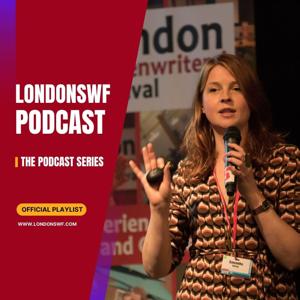


Matt White's journey from Talent Campus participant to successful filmmaker is a testament to the power of perseverance and networking. He describes the Talent Campus as "the most awesome cult I've ever joined in my life," highlighting the invaluable peer network he developed through the program. This network proved crucial in his subsequent projects, including the feature film "Paul Dude's Deadly Lunch Break."
The making of "Paul Dood's Deadly Lunch Break" showcases the collaborative nature of filmmaking. Matt and his director friend, Nick Gillespie, transformed a dark thriller into a black comedy, involving talented actors and navigating the festival circuit. The film premiered at South by Southwest and later found its way to streaming platforms. Matt emphasizes the importance of being "beautifully ruthless" in pursuing opportunities and building connections after the film's release.
One of the most significant takeaways from Matt's experience is the value of on-set experience for writers. He encourages aspiring screenwriters to "get on set, be a runner" to better understand the collaborative process of filmmaking. This hands-on experience can provide invaluable insights into how various crew members contribute to and enhance the original vision.
Perhaps the most inspiring aspect of Matt's story is his journey to overcome his fear of public speaking. The Talent Campus experience helped him embrace his natural energy and enthusiasm, leading to success in pitching competitions. His win at the Sundance London pitching competition, where he pitched the feature film version of "The Sin Eater," stands out as a testament to his growth and the skills he developed through the program.
Twisted 50 is a collection of 50 short horror stories, aimed at giving aspiring writers the chance to be published and recognized. The project originated from the London Screenwriters Festival, where Chris Jones and his team identified a significant challenge for new writers: securing their first credit.
Horror is a genre that resonates deeply with many writers and readers. Chris Jones explains his passion for horror, citing influences from the 1980s, including James Herbert and Hammer House of Horror. Here’s why horror is the chosen genre for Twisted 50:
Joining the Twisted 50 community comes with numerous advantages:
One of the fascinating aspects of horror is its ability to bring people together. As Chris notes, many who find themselves in challenging situations, such as mental health struggles, often gravitate towards horror. This shared interest creates a unique community where individuals can find solace in the creepy and macabre. Here are some reasons why horror resonates with so many:
If you’re considering submitting to Twisted 50, here are some valuable tips:
If you’re ready to take the plunge into horror writing, consider submitting your story to Twisted 50. With a supportive community and the chance to be published, this initiative offers a unique opportunity for aspiring writers.
We all love horror literature. We are guessing we also have a passion for horror movies too. And the high watermark for cinema terror is the late 70’s and 80’s. So. Nervously shuffle down the jump scare back alley that is the 80’s cinematic and VHS memory lane, with Chris Jones and Bob Shultz.
In this episode, Amy Livingstone and Chris Jones discuss the Create 50 and Twisted 50 projects. Create 50 began in 2011 as a way to provide writers with an opportunity to gain their first film credit. It started with a short script competition, where filmmakers could download the scripts and make their own films. The best films were then selected and given recognition. This success led to the creation of Twisted 50, a horror anthology project inspired by classic horror books. Both Create 50 and Twisted 50 provide a low-barrier entry for writers, allowing them to showcase their work and receive peer review feedback. The community aspect of these projects is invaluable, as writers gain support, inspiration, and the opportunity to collaborate with other creative individuals. Chris shares tips for writing horror stories, including the importance of editing aggressively, not holding back in creating unsettling experiences for readers, and exploring the fantastical and esoteric elements of horror. He encourages writers to be audacious, write bigger and shorter, and take advantage of the feedback and collaboration opportunities offered by Create 50 and Twisted 50. The episode ends with a reminder to submit stories before the deadline.
Welcome to the London Screenwriters Festival podcast, episode 3. In this episode, Amy Livingston, a screenwriter and long-term LSF delegate, is joined by the superbly magnificent Pat Higgins, a screenwriter and director with over 20 years of experience in the industry.
The Genesis Behind "My Conscience is Clear"
Pat Higgins shares the origin of his sign-off phrase and how it became a part of his persona.
Pat discusses the importance of compartmentalizing and prioritizing different aspects of life to make time for writing and other important activities.
Pat shares his insights on approaching the screenwriting process, emphasizing the importance of structure and theme in crafting a compelling script.
Pat shares his top 5 tips for filmmakers and writers:
In this episode, Pat Higgins provides valuable insights into the screenwriting process, time management, the role of social media in the industry, the journey of filmmaking, and the importance of representation. His experiences and tips offer valuable guidance for aspiring screenwriters and filmmakers looking to make their mark in the industry.
The podcast discusses tips for getting the most out of the London Screenwriters Festival, including networking, pitching, and reducing costs. It emphasizes the importance of making friends and networking, attending various sessions, and being prepared as a first-time attendee.
Welcome to the inaugural podcast from the London Screenwriters Festival! I'm Chris Jones, the founder of the festival, which is now in its 11th year (or 13th if we include our two post-apocalyptic online festivals). We recently wrapped up our first in-person festival at Regents University, and the energy was electric! In this episode, we dedicate our time to the festival delegates, sharing their experiences and insights.
Joining me are Amy Livingston, the brilliant mind behind starting this podcast, and Suzy Miller and Nick Jackson, both writers who attended the festival. Let’s dive into their experiences!
When asked about their experiences post-festival, here’s what our guests shared:
One of the standout aspects of the festival was the sense of community. As Suzy noted, "It was to be with other writers." The camaraderie fostered an environment where attendees felt comfortable sharing their ideas and experiences.
The festival provided an excellent platform for attendees to build their confidence and hone their skills. Suzy remarked on the importance of pitching, stating, "If you can't pitch it well when you do get the chance, then that's a big hole in my knowledge."
Nick emphasized how the festival reminded him he wasn't alone in his writing journey, stating, "Writing is a very, very solitary job." The connections made during the festival helped alleviate that solitude.
Both Suzy and Nick highlighted unexpected insights gained from the festival:
The festival was not just about learning; it was also about networking. The diverse range of attendees included screenwriters, producers, actors, directors, and more, creating a melting pot of talent.
As the discussion shifted towards future aspirations, both Suzy and Nick shared their goals:
The festival instilled a sense of commitment in attendees to pursue their writing careers actively. As Chris pointed out, the festival is a critical stepping stone in a writer's journey, emphasizing that success often takes time and persistence.
The London Screenwriters Festival not only provided invaluable insights and skills but also created a vibrant community of writers eager to support one another. As we look forward to future festivals, the connections made and lessons learned will undoubtedly shape the careers of all who attended.
If you're a writer looking for inspiration and a supportive network, the London Screenwriters Festival is the place to be! Stay tuned for more podcasts as we continue to explore the world of screenwriting and share stories from our community.
Tickets for the next festival are available now! You can get your pass at londonscreenwritersfestival.com/tickets. Don’t miss out on the chance to connect, learn, and grow as a writer!
From the publisher's feed
Podcast from the London Screenwriters Festival