
Sign up to save your podcasts
Or

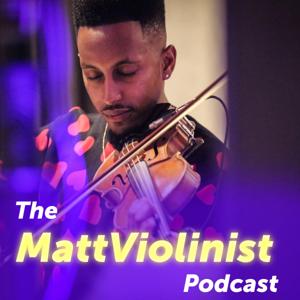


In Episode 22 of Digital Detox, Matt Violinist sits down with DJ Young Tech alongside DJ Stallion and DJ E-Class for a raw and hilarious conversation about the realities of DJ culture, MCing, Caribbean music, and surviving the entertainment industry. DJ Young Tech breaks down his journey from learning on vinyl records as a kid to becoming one of the most respected MCs in the tri-state Caribbean scene. The crew dives into the evolution of soca music, the politics of nightlife, broken club equipment, the importance of branding, social media pressure, and why DJs need to stop competing and start building together. This episode is packed with industry gems, funny stories, real talk about perseverance, and deep conversations about Caribbean culture, music history, and what it truly takes to last in entertainment. Whether you're a DJ, MC, musician, promoter, or just somebody who loves Caribbean culture and nightlife, this episode gives an honest look behind the scenes of the music business. 00:00 – Funny opening moments & Cinco de Mayo jokes 02:10 – Introducing DJ Young Tech 03:15 – Meeting at Reggae Soca Brunch 05:10 – Social battery, nightlife, and club culture 08:20 – The art of MCing and controlling energy 11:45 – Learning DJing from vinyl records 15:10 – How MCing evolved in Caribbean nightlife 18:20 – Baptism by fire in entertainment 21:30 – Why no gig is too small 24:10 – DJs vs MCs and crowd control 27:15 – Developing confidence behind the mic 31:20 – Caribbean music opening doors 34:10 – The music industry is cutthroat 38:15 – Social media pressure and staying visible 42:30 – Creating your own events instead of waiting 46:00 – Promoters wanting DJs to promote events 49:40 – Why branding and appearance matter 53:20 – Working harder through rejection 57:10 – Stories about oversleeping gigs and grinding through exhaustion 1:02:20 – Corporate gigs vs club gigs 1:06:30 – Why DJs should charge for preparation time 1:09:50 – Sound engineering, Serato, and music quality 1:15:00 – YouTube rips vs high-quality audio files 1:19:20 – Foxwoods sound engineer story 1:23:40 – Broken club equipment horror stories 1:29:15 – Learning to DJ through experience and problem solving 1:34:10 – The evolution of soca music 1:40:30 – Why Caribbean artists need to stop competing against each other 1:46:00 – 90s soca vs modern soca 1:50:15 – Marshall Montano vs Voice discussion 1:56:10 – Road songs vs stage songs explained 2:01:20 – The importance of making music year-round 2:07:10 – Falling back in love with Caribbean music 2:12:40 – Why soca music makes people happy 2:17:10 – Dancehall vs soca culture conversation 2:22:30 – Taking risks as a DJ 2:27:20 – Shoutouts, final thoughts & closing freestyle energy
In this episode, Matt the Violinist is joined by DJ Stallion and returning guest DJ Mall for a real, unfiltered conversation about the DJ industry, business, and the realities behind the scenes that people don’t always see. From hilarious and frustrating DJ stories to serious discussions about pricing, value, and respect in the industry, this episode dives deep into what it really takes to build a sustainable career as a creative. The crew breaks down everything from dealing with difficult requests at events, to navigating clients who undervalue your work, to understanding how to price your services properly without undercutting yourself. They also touch on: • The importance of knowing your worth as a DJ or creative • Why cheap pricing can hurt the industry long-term • The difference between running a business vs. just making money • Real-life stories of wild client interactions and event moments • The mental side of DJing and how lonely the grind can be behind the scenes • Building value, negotiating confidently, and not being afraid to walk away from a deal This episode is a mix of game, humor, and real talk — whether you’re a DJ, creative, entrepreneur, or just someone who appreciates honest conversations about the hustle. Tap in and join the conversation. Welcome to Digital Detox — where the stories matter more than the algorithm.
Digital Detox Ep. 19 | Marissa Ann The Voice Of An Angel In this episode of Digital Detox, Matt Violinist is joined by DJ Stallion, DJ E-Class, and special guest Marissa Ann for a real conversation about what it actually takes to perform at a high level. Marissa Ann opens up about her journey from being told she had the “voice of an angel” as a child to performing national anthems for major arenas and competing on big stages like That’s New York Talent. She breaks down the mental side of singing, how emotions affect performance, and the pressure that comes with stepping on stage in front of thousands. The conversation goes deeper into preparation, “performer mode,” and why protecting your energy is just as important as talent. Matt and the crew also share their own experiences as DJs and performers, highlighting the similarities between musicians, vocalists, and entertainers across the board. From audition stories and industry rejection to manifestation, burnout, and rediscovering passion, this episode is about staying grounded while chasing something bigger. Whether you’re an artist, performer, or just someone navigating your own path, this episode gives real insight into the mindset behind the craft. Welcome to Digital Detox Where the stories matter more than the algorithm Timestamps 0:00 Introduction & first impressions 3:00 Why energy matters more than talent 8:00 Pre-performance routines (singers vs DJs) 15:00 Performer mode & protecting your space 22:00 That’s New York Talent experience 30:00 Singing for the Islanders 38:00 Law of detachment & mindset 45:00 Matt’s MSG story & industry connections 55:00 Finding her voice as a child 1:05:00 The Voice experience 1:15:00 Rejection in the industry 1:25:00 Artist identity & authenticity 1:35:00 New music & artist mode 1:45:00 Musical influences 1:55:00 Burnout & staying inspired 2:05:00 Emotional performance moments 2:15:00 Why they keep going
In this episode of Digital Detox, MattViolinist sits down with returning guest Bless Tha Child alongside co-host DJ Stallion for a real conversation on what’s really going on in the DJ industry and beyond. From breaking down how event planners often choose budget over talent, to redefining what it actually means to be a “headliner” DJ, this episode challenges a lot of the norms people accept without question. The conversation goes deeper than music too — touching on personal growth, sacrifice, faith, and what it really takes to evolve in your craft and life. Main Points Covered: • The problem with how DJs are booked today • Why skill > popularity in real events • The truth about “headliner” DJs • How to structure a proper DJ lineup (opener, middle, closer) • Growth, risk-taking, and investing in yourself • Faith, discipline, and staying aligned with your purpose
In this episode of Digital Detox, Matt Violinist, DJ Stallion, and DJ E Class sit down with special guests DJ Mad and DJ Koncept for a real conversation about growth, challenges, and evolution within the DJ world.
The episode dives into DJ Mad’s journey, from learning the craft through his father to building his skills during the pandemic using just an iPad and raw music selection. His natural understanding of music and layering stands out early, highlighting what separates a good DJ from a great one.
A major focus of the conversation is mentorship and growth through discomfort. The hosts break down how being put in high-pressure situations, whether it’s closing sets, working unfamiliar crowds, or being forced to adapt without your usual equipment, can accelerate development and sharpen your skill set.
They also speak candidly about common obstacles DJs face, including crowd bias, mic control, technical issues, and real-life mishaps at events. From forgotten equipment to last-minute adjustments, the stories shared highlight the importance of staying ready and adaptable at all times.
The conversation also touches on modern tools and strategies for music discovery and management, including innovative platforms that help DJs organize and expand their libraries efficiently. Each DJ shares how they stay current, whether through streaming platforms, social trends, or digging into different genres.
At its core, this episode emphasizes community over competition. The group speaks on the importance of sharing knowledge, avoiding gatekeeping, and building an environment where DJs can grow together.
This is more than a conversation about DJing. It’s about mindset, resilience, and continuously leveling up in your craft.
Welcome to Digital Detox.
In Episode 17 of Digital Detox, Buying Back the Block, Matt Violinist is joined by DJ Stallion and special guest DJ Spynfo for a powerful, thought provoking conversation that goes far beyond music.
This episode dives into the origins of Sankofa House, how the idea was born, the purpose behind it, and the responsibility that comes with building spaces rooted in culture, healing, and community. DJ Spynfo breaks down the journey from concept to reality, shedding light on the intention, resistance, and faith required to bring Sankofa House to life.
The conversation explores the role of psychedelics as medicine, their historical and spiritual significance, and how they’ve played a part in personal growth, healing, and the foundation of Sankofa House. From mental health to self reflection, the discussion is honest, nuanced, and grounded in lived experience without sensationalism.
Beyond that, the episode confronts bigger questions around Black identity, collective trauma, ownership, and the work that still needs to be done. What does it truly mean to buy back the block? How do we correct our path? And what practical steps must be taken to build something sustainable for future generations?
As always, this isn’t surface level talk. Expect deep insight, moments of humor, uncomfortable truths, and reflections that challenge how we think about culture, healing, and progress.
If you’re interested in community building, wellness, Black ownership, or simply real conversations that aren’t afraid to go there, this episode is for you.
Welcome to Digital Detox.
In Episode 16 of Digital Detox, Matt Violinist is joined by DJ Stallion, DJ E-Class, and special guest Monita Kai for a real, unfiltered conversation about the journey behind the brand. Monita Kai takes us back to the beginning, breaking down how he evolved into an event coordinator, curator, and DJ, and what it really took to get there. From early inspiration and hard lessons to pivotal moments that shaped his career, this episode pulls back the curtain on the wins, the setbacks, and everything in between. This isn’t a highlight reel. It’s a candid look at the realities of building a creative career. The doubts, the grind, the sacrifices, and the moments that make it all worth it. Expect honest reflections, laughs, vulnerable moments, and insights that will resonate with anyone navigating music, events, or creative entrepreneurship. Whether you’re an artist, DJ, event professional, or just someone who appreciates real stories told without filters, this episode delivers perspective, motivation, and truth. Welcome to Digital Detox. Where the stories matter more than the algorithm.
In this episode, we sit down with DJ Covy for a raw and insightful conversation about his journey into DJing, the realities of the music industry, and why the human element will always matter—no matter how advanced technology becomes. DJ Covy opens up about growing up in the Newark projects, his move to Bergen County, and the personal mission that fuels everything he does: breaking generational curses around financial instability, misplaced loyalty, and destructive habits. From being exposed to music early through his parents to teaching himself how to DJ after early frustration, Covy’s story is one of resilience, discipline, and long-term vision. We dive into the years most people never see—the period where he DJed for free, worked retail jobs, slept in his car, and pushed through homelessness while sharpening his craft. Those experiences shaped not only his work ethic, but also his philosophy on DJing, business, and life. Covy also breaks down how his style evolved over time—from an aggressive, competitive approach behind the decks to a more mature understanding of crowd control, creativity, and energy. He discusses the differences between New York and New Jersey DJ culture, his influences, and how talking to the crowd and reading the room can make or break a set. A major part of the conversation centers on AI vs. human DJs. Covy explains why he believes technology will never replace real DJs, emphasizing emotion, unpredictability, and human connection as the core of live entertainment. He also speaks candidly about the rise of social-media-driven DJs, the business realities of club gigs versus private events, and why skill still matters—even in a viral era. This episode is about more than DJing. It’s about discipline, boundaries, survival, and building something real in an industry that often prioritizes image over substance. 🎧 Whether you’re a DJ, creative, entrepreneur, or someone navigating your own journey—this one hits home. ⏱️ TIMESTAMPS / TOPICS 00:00 – Introduction & who DJ Covy is 03:12 – Growing up in Newark & breaking generational curses 08:45 – Early exposure to music through family 12:30 – Learning to DJ & Caribbean influence on mixing style 18:05 – DJing for free, retail jobs & early sacrifices 24:40 – Homelessness, living in his car & mental resilience 31:15 – Competitive DJ mindset & opening for other DJs 36:50 – Maturing as a DJ & true crowd control 42:10 – New York vs New Jersey DJ styles 47:30 – Talking on the mic & engaging women in the crowd 53:05 – Private events vs club gigs (money & stability) 59:20 – Club politics & promoter expectations 1:04:45 – Social media DJs vs real DJ skill 1:10:30 – AI vs human DJs & why AI can’t replace energy 1:18:00 – Human connection, unpredictability & intuition 1:24:10 – Business discipline, boundaries & upfront payment 1:30:00 – Support systems, relationships & long-term vision
From the publisher's feed