
Sign up to save your podcasts
Or

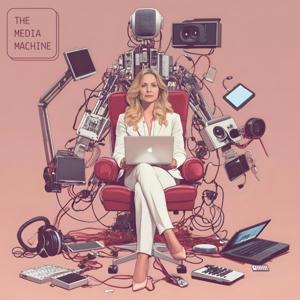


In this Season 2 finale of The Media Machine, Johanna Salazar and Julie Kellman Redding wrap the season exactly as they always planned: not with a goodbye, but with a conversation about evolution, partnership, visibility, and what it takes to build your next chapter in media.
Julie was a huge part of shaping Season 2, and in this episode, she shares a special announcement for the first time on The Media Machine about what she is building next.
Together, Johanna and Julie reflect on what Season 2 taught them about the future of media, the relationship between technology and humanity, the power of creative partnership, and why starting before you feel fully ready may be the most important step.
This episode is for anyone thinking about launching a podcast, building a platform, becoming more visible, trusting their voice, or stepping into the next version of their work.
****
Key Topics Discussed
****
Key Takeaways****
Memorable Quotes****
Guest Bio
Julie Kellman Redding is a creative producer, editor, storyteller, and co-host of Season 2 of The Media Machine. With a deep background in media, production, and creative development, Julie brings a sharp editorial eye, a love of storytelling, and a deep curiosity about people, ambition, and the paths that shape extraordinary careers.
In this episode, Julie shares the next evolution of her own creative work and what she hopes it will offer people building their careers, navigating pivots, and dreaming bigger.
****
About the Host
Johanna Salazar is a media systems builder with more than two decades of experience operating across television, streaming, sports, and digital platforms. She brings an operator's lens to the industry, breaking down how media systems function and how incentives and decisions shape outcomes.
****
About The Media Machine
The Media Machine, hosted by Johanna Salazar, explores the intersection of media, business, innovation, and the systems shaping the future of content. Through conversations with creators, executives, founders, and operators, the show looks at media through four core pillars: Process, Profits, People, and Planet.
****
Subscribe & Follow
If someone sent you this episode, it's because they care about your future in media.
Follow The Media Machine for weekly conversations breaking down the systems, strategies, and decisions shaping the future of media, technology, storytelling, and the creator economy.
****
Credits
Created by: Johanna Salazar Hosts: Johanna Salazar and Julie Kellman Reading Executive Producers: Johanna Salazar and Julie Kellman Reading Edited by: Love + Daydreams
In this special episode of The Media Machine, Johanna Salazar shares the framework behind her recent Television Academy presentation, AI and the New Production Operating System, and expands on how AI is reshaping the real production workflows beneath the surface.
In conversation with Julie Kellman Reading, Johanna breaks down how AI is reshaping the production process, not just through flashy creative tools, but through the operational systems beneath the surface: budgeting, scheduling, call sheets, payroll, documentation, communication, and decision-making.
The episode explores the shift from reactive production to predictive production, where producers move from making high-pressure decisions with incomplete information to using connected intelligence systems, historical data, and AI-powered tools to anticipate problems before they happen.
This conversation is not about replacing producers. It is about redefining the producer's role for the next era of media.
Contact Johanna via LinkedIn for any of the materials mentioned during the show. Don't forget to like, comment and share this podcast, it helps us improve our content.
LinkedIn: https://www.linkedin.com/in/johannasalazar/
****
Key Topics Discussed
****
Key Takeaways
****
Memorable Quotes
****
Guest Bio
Johanna Salazar is the creator, host, and executive producer of The Media Machine, and a media systems builder working at the intersection of production, technology, business, and social impact. With deep experience across television, digital media, operations, and systems design, Johanna helps media professionals understand how emerging technologies are reshaping the way content is developed, produced, distributed, and monetized.
She recently presented AI and the New Production Operating System to the Television Academy, offering producers a practical framework for understanding how AI is moving production from reactive workflows to predictive intelligence systems.
Johanna is also the founder of Foodstream Inc., a technology-enabled benefit corporation building digital infrastructure to coordinate surplus food, community demand, food education and logistics so food can reach the people who need it.
****
About The Media Machine
The Media Machine explores the intersection of Process, Profits, People, and Planet; the four pillars shaping the future of media. Hosted by Johanna Salazar and Julie Kellman Reading.
****
Subscribe & Follow
If someone sent you this episode, it's because they care about your future in media.
Follow The Media Machine for weekly conversations breaking down the systems, strategies, and decisions shaping the future of media, technology, storytelling, and the creator economy.
****
Credits
****
Website
The-mediamachine.com
****
Social Links
****
Podcast Links
****
Host Socials
Johanna Salazar
Julie Kellman Reading
****
About the Hosts
Johanna Salazar is a media systems builder with more than two decades of experience operating across television, streaming, sports, and digital platforms. She brings an operator's lens to the industry, breaking down how media systems function and how incentives and decisions shape outcomes.
Julie Kellman Reading is a creative executive, executive producer, and founder with experience spanning television, digital media, and independent ventures. She brings a people-first perspective and deep creative insight into how media is built, scaled, and sustained.
****
About the Podcast
THE MEDIA MACHINE is a strategy podcast that breaks down how media really works. Created by Johanna Salazar, the show explores the systems, deals, and decisions shaping the future of media, tech, and content.
Each episode examines the industry through four core pillars:
The goal is not to react faster, but to see more clearly, understand long-term shifts, and make smarter short-term decisions.
This show is for operators, builders, and decision-makers who want signal over noise, clarity over hype, and confidence over urgency.
What happens when the chatbot becomes the new browser?
In this episode of The Media Machine, Johanna Salazar and Julie Kellman sit down with Piers Fawkes, founder of PSFK and Fodda, to explore one of the biggest shifts happening in technology, media, and knowledge work today: the move from searching for information to conversing with it.
After spending more than two decades helping global brands identify emerging trends in technology, retail, and culture, Piers found himself at an unexpected crossroads when AI began disrupting the very industry he helped build. As tools like ChatGPT changed how people access information, research, and expertise, he saw a fundamental shift taking place: the chatbot was becoming the new browser.
Together, they discuss how AI is transforming the way we discover knowledge, why traditional reports and websites are losing relevance, and what happens when intelligent systems become the primary interface between people and information. Piers shares how he taught himself AI, the lessons he's learned building AI-powered products, and why the future belongs to those who combine human creativity, judgment, and curiosity with intelligent systems.
The conversation explores the future of media, search, work, and entrepreneurship, offering practical advice for founders, strategists, creators, and media professionals navigating one of the most significant technological shifts of our lifetime.
****
Key Topics Discussed
****
Key Takeaways
1. Insight Is Becoming Infrastructure: The future of knowledge work is not more reports. It is intelligent systems that deliver expertise directly into the tools people already use.
2. Learn by Building: Piers taught himself AI not by taking courses, but by experimenting, solving real problems, and creating products.
3. Think in Workflows: The biggest opportunities in AI come from understanding workflows and identifying where automation can remove friction.
4. Human Judgment Still Matters: AI can identify patterns, but humans remain essential for creativity, interpretation, and storytelling.
5. Don't Train for a Job AI Can Replace: Instead of using AI to become better at a disappearing role, use it to create entirely new opportunities.
****
Memorable Quotes
"No one's looking at PDFs anymore. They're looking at a chatbot."
"If your job was created in the last 30 years, it might not stay around."
"How can you use your talent to do something that hasn't been done before?"
"Think about workflows."
"We don't live to be efficient."
****
Guest Bio
Piers Fawkes is the founder of PSFK, a trends and innovation research firm that has helped global brands like Nike, Google, Target, and LVMH understand emerging shifts in technology, retail, and culture for over two decades. He's now the founder of Fodda, an AI context layer that plugs expert-curated knowledge graphs directly into tools like Claude, Copilot, and Gemini — so the AI you already use stops giving generic answers and starts pulling from real, sourced expertise. Piers works at the intersection of media, AI innovation, and good times, baby.
****
About The Media Machine
The Media Machine explores the intersection of Process, Profits, People, and Planet; the four pillars shaping the future of media. Hosted by Johanna Salazar and Julie Kellman Reading.
****
Subscribe & Follow
If someone sent you this episode, it's because they care about your future in media.
Follow The Media Machine for weekly conversations breaking down the systems, strategies, and decisions shaping the future of media, technology, storytelling, and the creator economy.
****
Credits
Created by: Johanna Salazar Hosts: Johanna Salazar and Julie Kellman Reading Executive Producers: Johanna Salazar and Julie Kellman Reading Edited by: Love + Daydreams, Canvas Films Colombia
****
Website
The-MediaMachine.com
****
Social Links
Instagram: @themediamachinepodcast TikTok: @themediamachinepodcast YouTube: @TheMediaMachinePod X/Twitter: @themediamachinepod
****
Podcast Links
****
Host Socials
Johanna Salazar
Julie Kellman Reading
****
About the Hosts
Johanna Salazar is a media systems builder with more than two decades of experience operating across television, streaming, sports, and digital platforms. She brings an operator's lens to the industry, breaking down how media systems function and how incentives and decisions shape outcomes.
Julie Kellman Reading is a creative executive, executive producer, and founder with experience spanning television, digital media, and independent ventures. She brings a people-first perspective and deep creative insight into how media is built, scaled, and sustained.
****
About the Podcast
THE MEDIA MACHINE is a strategy podcast that breaks down how media really works. Created by Johanna Salazar, the show explores the systems, deals, and decisions shaping the future of media, tech, and content.
Each episode examines the industry through four core pillars:
The goal is not to react faster, but to see more clearly, understand long-term shifts, and make smarter short-term decisions.
This show is for operators, builders, and decision-makers who want signal over noise, clarity over hype, and confidence over urgency.
AI is changing more than workflows.
It's changing how audiences discover media, how products build relationships, and how trust itself becomes monetized.
In this episode of The Media Machine, Johanna Salazar and Julie Kelman sit down with product executive Vincenza Pizzo to unpack what media leaders need to understand as AI reshapes the foundations of the industry.
Drawing from her experience across Viacom/Paramount, Audible, and AI-driven product strategy, Vincenza explains why the next generation of media products will be built less around content distribution and more around trust, intelligence, and audience relationships.
This conversation is for the media and product leaders trying to answer one urgent question:
What remains defensible when AI changes how audiences discover, trust, and interact with media?
Together, they explore:
Vincenza also shares practical frameworks for media builders navigating the AI transition, including:
If you work in media, product, audience strategy, or AI-driven consumer experiences, this episode offers a clear and grounded perspective on where the industry is heading next.
****Key Takeaways
Memorable Quotes
About Vincenza Pizzo
Vincenza Pizzo is a senior product executive who has built and scaled consumer products across entertainment, media, music, sports, and education technology. Her work spans OTT platforms, live streaming, subscription ecosystems, and AI-driven product experiences.
Find Vincenza on LinkedIn: https://www.linkedin.com/in/vincenza-pizzo/
****
About The Media Machine
The Media Machine explores the intersection of Process, Profits, People, and Planet; the four pillars shaping the future of media. Hosted by Johanna Salazar and Julie Kellman Reading.
****
SUBSCRIBE & FOLLOWIf someone sent you this episode, it's because they care about your future in media.
Follow The Media Machine for weekly conversations breaking down the systems, strategies, and decisions shaping the future of media, technology, storytelling, and the creator economy.
****
CREDITS****
WEBSITEhttp://the-mediamachine.com/
****
SOCIAL LINKSInstagram: @themediamachinepodcast TikTok: @themediamachinepodcast YouTube: @TheMediaMachinePod X/Twitter: @themediamachinepod
****
PODCAST LINKS
****
HOST SOCIALS Johanna Salazar****
ABOUT THE HOSTS Johanna SalazarJohanna Salazar is a media systems builder with more than two decades of experience operating across television, streaming, sports, and digital platforms. She brings an operator's lens to the industry, breaking down how media systems function and how incentives and decisions shape outcomes.
Julie Kellman ReadingJulie Kellman Reading is a creative executive, executive producer, and founder with experience spanning television, digital media, and independent ventures. She brings a people-first perspective and deep creative insight into how media is built, scaled, and sustained.
**** ABOUT THE PODCASTTHE MEDIA MACHINE is a strategy podcast that breaks down how media really works. Created by Johanna Salazar, the show explores the systems, deals, and decisions shaping the future of media, tech, and content.
Each episode examines the industry through four core pillars:
The goal is not to react faster, but to see more clearly, understand long-term shifts, and make smarter short-term decisions.
This show is for operators, builders, and decision-makers who want signal over noise, clarity over hype, and confidence over urgency.
The systems that built Hollywood are changing fast.
For decades, talent agencies, television networks, studios, and cable platforms controlled visibility, distribution, and the economics of entertainment. Today, creators are building audiences without traditional gatekeepers, launching companies around their communities, and turning influence into scalable businesses.
The creator economy did not simply create new talent. It changed who owns media power.
In this episode of The Media Machine, Johanna Salazar and Julie Kellman Reading sit down with media executive and HeartRock Partners founder Alec Shankman for a wide-ranging conversation about the evolution of media systems, the rise of entrepreneurial creators, and why the next era of entertainment will belong to builders who understand audience trust, ownership, and infrastructure.
Over the past two decades, Alec has operated at the center of multiple industry transformations. From launching Abrams Artists Agency's alternative programming division during the rise of reality television, to becoming one of the earliest executives focused on digital creators and social media talent, Alec has consistently identified emerging shifts before they became mainstream.
Now, through HeartRock Partners, he is building what he believes the next phase of media requires: infrastructure designed for creator-led businesses instead of traditional talent representation.
The conversation explores the collapse of old media economics, why creators increasingly function as enterprises instead of talent, how audience trust became one of the most valuable assets in modern business, and why the future of media may belong to people who can build ecosystems instead of simply producing content.
This episode is both a masterclass in the evolution of modern media and a deeply honest conversation about entrepreneurship, reinvention, systems-building, and the future of influence.
****
WHY THIS EPISODE MATTERSThe creator economy is no longer a niche category inside entertainment.
It is becoming the foundation of the modern media economy itself.
As traditional television contracts, streaming economics continue shifting, and audiences migrate toward creator-led ecosystems, the entertainment industry is being forced to rethink everything from distribution and monetization to talent representation and brand partnerships.
But the biggest shift may not be technological.
It may be philosophical.
For decades, traditional media systems were built around centralized control. Studios controlled production. Networks controlled distribution. Agencies controlled access.
Today, creators increasingly control all of it themselves.
They own the audience relationship. They control the content. They shape the distribution. They build the businesses.
Alec Shankman has spent more than twenty years watching that transformation happen from inside the industry itself.
From reality television and MySpace to YouTube creators, gaming, podcasts, and creator-led consumer brands, Alec's career mirrors the evolution of modern fame and the changing economics of influence.
This episode explores what happens when creators stop functioning like talent and start functioning like enterprises.
It also explores one of the defining questions shaping the future of media:
If audiences now trust creators more than institutions, who ultimately owns the future of influence?
For creators, founders, executives, and operators navigating the next phase of media, this conversation offers a rare inside look at the systems quietly reshaping entertainment in real time.
****
ABOUT THE GUESTAlec Shankman is the founder and CEO of HeartRock Partners, a media and business advisory firm focused on helping creators, brands, and entrepreneurs build scalable enterprises at the intersection of entertainment, commerce, and culture.
Over the course of his career, Alec has worked across talent representation, digital media, alternative programming, licensing, brand partnerships, and creator entrepreneurship.
He previously served as Senior Partner at The Gersh Agency and as Co-Managing Partner at A3 Artists Agency, where he led major divisions focused on digital media and creator representation.
Earlier in his career, Alec launched Abrams Artists Agency's alternative programming division during the rise of reality television and later became an early pioneer in digital creator representation during the emergence of social media and influencer culture.
Today, through HeartRock Partners, Alec works with creators, talent, brands, and entrepreneurs to build businesses, launch intellectual property, and navigate the next phase of the creator economy.
****
WHAT WE COVER IN THIS EPISODE****
KEY TAKEAWAYS****
STANDOUT QUOTES"With the industry changing, you need to offer something different. You need to be thinking differently."
"The creator simply has become the network."
"If you have an audience and the audience trusts you, the sky's the limit."
"The hardest thing to get these days is attention."
"There's always an opportunity to be a pioneer into the future."
"Creators today control the content, the creative, the monetization, and the audience relationship."
****
GUEST LINKSAlec Shankman Website: HeartRockPartners.com
****
SUBSCRIBE & FOLLOWIf someone sent you this episode, it's because they care about your future in media.
Follow The Media Machine for weekly conversations breaking down the systems, strategies, and decisions shaping the future of media, technology, storytelling, and the creator economy.
****
CREDITSCreated by: Johanna Salazar Hosts: Johanna Salazar and Julie Kellman Reading Executive Producers: Johanna Salazar and Julie Kellman Reading Edited by: Love + Daydreams, Canvas Films Colombia
****
WEBSITEThe Media Machine
https://the-media-machine.com/
****
SOCIAL LINKS
****
PODCAST LINKS
****
HOST SOCIALSJOHANNA SALAZAR
JULIE KELLMAN READIN
****
ABOUT THE HOSTSJohanna Salazar is a media systems builder with more than two decades of experience operating across television, streaming, sports, and digital platforms.
She brings an operator's lens to the industry, breaking down how media systems function and how incentives and decisions shape outcomes.
Julie Kellman Reading is a creative executive, executive producer, and founder with experience spanning television, digital media, and independent ventures.
She brings a people-first perspective and deep creative insight into how media is built, scaled, and sustained.
**** ABOUT THE PODCASTTHE MEDIA MACHINE is a strategy podcast that breaks down how media really works. Created by Johanna Salazar, the show explores the systems, deals, and decisions shaping the future of media, tech, and content.
Each episode examines the industry through four core pillars:
The goal is not to react faster, but to see more clearly, understand long-term shifts, and make smarter short-term decisions.
This show is for operators, builders, and decision-makers who want signal over noise, clarity over hype, and confidence over urgency.
The creator economy did not begin with TikTok, YouTube, or podcasting. Long before creators were building personal brands online, MTV was experimenting with talent-driven storytelling, cultural franchises, audience engagement, and visibility as a business model.
In this episode of The Media Machine, Johanna Salazar and Julie Kellman Reading sit down with Emmy-winning media strategist and talent development executive Vinnie Potestivo for a wide-ranging conversation about the evolution of media, talent, and the creator economy.
From helping shape iconic MTV franchises like The Osbournes, Punk'd, Laguna Beach, Wild 'N Out, TRL, and The Hills, to working with artists and personalities like Beyoncé, Mandy Moore, Jessica Simpson, Nick Cannon, and Ashton Kutcher, Vinnie shares the behind-the-scenes philosophy that helped identify talent before the world fully understood who they were becoming.
The conversation explores how MTV became an early creator ecosystem, how visibility evolved from celebrity exposure into strategic positioning, and why vulnerability, credibility, and intentionality are becoming the new currencies of modern media.
Vinnie also breaks down how creators and executives can build sustainable visibility without burnout, why intellectual property and metadata matter more than ever, and how the next phase of media will shift from platform-controlled distribution to creator-controlled ecosystems.
This episode is both a masterclass in media evolution and a deeply human conversation about identity, leadership, community, and the emotional side of being seen.
****
WHY THIS EPISODE MATTERSMedia is entering a new phase.
The traditional gatekeepers that once controlled visibility are losing influence as creators, founders, executives, and independent operators build direct relationships with audiences across podcasts, social media, streaming platforms, and creator-owned ecosystems.
But visibility alone is no longer enough.
Today's media landscape rewards intentional positioning, audience trust, credibility, community, and the ability to turn attention into sustainable intellectual property.
Vinnie Potestivo has operated at the center of this shift for more than two decades.
At MTV during the rise of reality television and celebrity culture, he helped shape some of the most influential unscripted franchises of the 2000s while developing talent that would go on to define pop culture for years. Today, he applies those same principles to executives, entrepreneurs, and creators navigating the modern media economy.
This episode explores how media visibility actually works behind the scenes, why emotional intelligence and self-awareness matter in talent development, and how creators can build long-term assets instead of chasing short-term moments.
For creators, media executives, founders, producers, and storytellers, this conversation offers a rare bridge between the original creator economy and the future of creator-led media.
****
ABOUT THE GUESTVinnie Potestivo is an Emmy-winning media strategist, talent development executive, podcast host, and founder of Vinnie Potestivo Entertainment.
He is best known for his work at MTV Networks during the rise of reality television, where he helped develop and cast major franchises including The Osbournes, Punk'd, Wild 'N Out, Laguna Beach, The Hills, TRL, and more.
Over the course of his career, Vinnie has worked with artists, creators, and personalities including Beyoncé, Mandy Moore, Jessica Simpson, Ashlee Simpson, Nick Cannon, Ashton Kutcher, Christina Milian, and many others.
Today, through Vinnie Potestivo Entertainment and his podcast I Have A Podcast, he advises creators, executives, founders, and brands on visibility, audience growth, intellectual property, podcasting, and strategic positioning in the modern creator economy.
His work focuses on helping people build sustainable visibility through intentional storytelling, credibility, metadata strategy, and audience development.
Check him out: vpe.tv/gift
****
WHAT WE COVER IN THIS EPISODE****
KEY TAKEAWAYS****
STANDOUT QUOTES****
GUEST LINKS****
SUBSCRIBE & FOLLOWIf someone sent you this episode, it's because they care about your future in media.
Follow The Media Machine for weekly conversations breaking down the systems, strategies, and decisions shaping the future of media, technology, storytelling, and the creator economy.
****
CREDITS****
WEBSITEthe-mediamachine.com
****
SOCIAL LINKSPODCAST LINKS
****
HOST SOCIALS Johanna Salazar****
ABOUT THE HOSTS Johanna SalazarJohanna Salazar is a media systems builder with more than two decades of experience operating across television, streaming, sports, and digital platforms. She brings an operator's lens to the industry, breaking down how media systems function and how incentives and decisions shape outcomes.
Julie Kellman ReadingJulie Kellman Reading is a creative executive, executive producer, and founder with experience spanning television, digital media, and independent ventures. She brings a people-first perspective and deep creative insight into how media is built, scaled, and sustained.
****
ABOUT THE PODCASTTHE MEDIA MACHINE is a strategy podcast that breaks down how media really works. Created by Johanna Salazar, the show explores the systems, deals, and decisions shaping the future of media, tech, and content.
Each episode examines the industry through four core pillars:
The goal is not to react faster, but to see more clearly, understand long-term shifts, and make smarter short-term decisions.
This show is for operators, builders, and decision-makers who want signal over noise, clarity over hype, and confidence over urgency.
The creator economy is maturing, and the rules of media deals are changing fast. Buyers are becoming more disciplined, creators are expected to bring audiences and business infrastructure with them, and leverage no longer comes from visibility alone.
In this episode of The Media Machine, Johanna Salazar and Julie Kellman Reading sit down with Scott Kaufman, Vice President of Alternative and Media Publishing at Buchwald, for a deep dive into how media deals are actually getting made in today's market.
Scott's work spans books, licensing, podcast partnerships, live experiences, sports, and intellectual property development, giving him a front-row seat to how creators, platforms, publishers, brands, and buyers are adapting to a more data-driven and competitive ecosystem.
The conversation explores how leverage has shifted since the peak creator boom years, why audience ownership and IP matter more than ever, how podcast deals are being structured today, and what creators, producers, and operators need to understand to build sustainable media businesses moving forward.
****
WHY THIS EPISODE MATTERS
The media industry is undergoing a structural reset.
Studios and publishers are becoming more selective. Podcast networks are moving away from large guarantees. Buyers expect creators to arrive with audiences, engagement, proof of concept, and clear monetization potential already in place.
At the same time, creators have more tools and distribution opportunities than ever before. Brands are becoming media companies, independent creators are building direct-to-audience businesses, and intellectual property is increasingly moving fluidly across podcasts, books, live events, and streaming platforms.
This episode explores what leverage actually looks like in this new media economy.
Scott Kaufman shares how buyers are evaluating talent and IP today, how deal structures are evolving, and why creators who control audience relationships and intellectual property are better positioned for long-term success.
For creators, producers, founders, and media executives, this conversation offers an inside look at the mechanics shaping the future of media deals.
****
ABOUT THE GUEST
Scott Kaufman is Vice President of Alternative and Media Publishing at Buchwald.
His work spans books, podcast partnerships, licensing, live experiences, sports, and intellectual property development across the evolving creator economy.
Over the course of his career, Scott has worked across talent representation, publishing, podcasting, and content packaging, helping creators, talent, and production companies navigate a rapidly changing media landscape.
At Buchwald, he works closely with creators, publishers, podcast networks, brands, and platforms to structure deals and identify opportunities across multiple revenue streams and distribution channels.
His perspective sits at the intersection of traditional media, creator-led businesses, and the next generation of intellectual property development.
****
GUEST SOCIAL PAGES
LinkedIn: LinkedIn Profile Instagram: https://www.instagram.com/skaufman99/
****
WHAT WE COVER IN THIS EPISODE
****
KEY TAKEAWAYS
****
STANDOUT QUOTES
"Audience size alone is no longer enough."
"The onus is really on us to build our audiences before we take projects to market."
"Buyers are still buying. They're just being much more selective."
"You can now create your own platform and have your own voice."
"Leverage today comes from having a foundation."
"Brands are becoming media companies."
"Books are foundational IP."
****
SUBSCRIBE & FOLLOW
If someone sent you this episode, it's because they care about your future in media.
Follow The Media Machine for weekly conversations breaking down the systems, deals, and decisions shaping the future of media.
****
CREDITS
Created by: Johanna Salazar Hosts: Johanna Salazar and Julie Kellman Reading Executive Producers: Johanna Salazar and Julie Kellman Reading Edited by: Love + Daydreams, Canvas Films Colombia
****
WEBSITE LINK
the-mediamachine.com
****
SOCIAL LINKS
Instagram: @themediamachinepodcast TikTok: @themediamachinepodcast Facebook: @themediamachinepodcast X/Twitter: @themediamachinepod YouTube: @TheMediaMachinePod
****
PODCAST LINKS
****
HOST SOCIALS Johanna Salazar
****
ABOUT THE HOSTS Johanna Salazar
Johanna Salazar is a media systems builder with more than two decades of experience operating across television, streaming, sports, and digital platforms. She brings an operator's lens to the industry, breaking down how media systems function and how incentives and decisions shape outcomes.
Julie Kellman ReadingJulie Kellman Reading is a creative executive, executive producer, and founder with experience spanning television, digital media, and independent ventures. She brings a people-first perspective and deep creative insight into how media is built, scaled, and sustained.
****
ABOUT THE PODCAST
THE MEDIA MACHINE is a strategy podcast that breaks down how media really works. Created by Johanna Salazar, the show explores the systems, deals, and decisions shaping the future of media, tech, and content.
Each episode examines the industry through four core pillars:
The goal is not to react faster, but to see more clearly, understand long-term shifts, and make smarter short-term decisions.
This show is for operators, builders, and decision-makers who want signal over noise, clarity over hype, and confidence over urgency.
Hollywood says it's harder than ever to get a project made, so how is Michael Sugar still getting them financed?
In this upcoming episode of The Media Machine, we sit down with Academy Award–winning producer Michael Sugar, founder and CEO of Sugar23, to unpack how the business of storytelling is evolving.
Many know Michael for producing the Oscar-winning film Spotlight. But today, his company Sugar23 is exploring new ways to connect brands, creators, and entertainment in a rapidly changing media landscape.
In this conversation, we dive into:
• How brand partnerships are reshaping content financing • Why the traditional Hollywood model is under pressure • What makes a project "brand-ready" without turning it into an ad • And what the future of storytelling might look like over the next decade
If you're a creator, producer, marketer, or media leader trying to understand where the industry is headed, this episode is for you.
🎧 Full episode coming soon.
The creator economy is maturing, and the rules of media deals are changing fast.
In this episode of The Media Machine, Buchwald executive Scott Kaufman takes us inside today's media deal market to unpack who actually has leverage, where capital is moving, and what creators, producers, and operators are still getting wrong.
From podcast deals and IP ownership to audience control, brand partnerships, and shifting buyer behavior, this conversation breaks down how the business of media is evolving in real time.
🎧 Full episode coming soon.
Artificial intelligence is transforming everything, from the way we work to the way we create media. But one question is becoming impossible to ignore:
Who is responsible for making sure AI is safe, fair, and ethical?
In this episode of The Media Machine, host Johanna Salazar sits down with Soribel Feliz, founder and CEO of Responsible AI = Inclusive AI and former Meta program manager, to explore the human side of artificial intelligence.
While AI promises massive productivity gains and new creative possibilities, it is also raising serious questions about the future of work, economic inequality, and the systems being built behind the scenes.
Soribel shares insights from inside the tech industry on:
• How AI is reshaping the global labor market • Why many experienced professionals are struggling to transition in the AI era • The hidden workforce responsible for moderating and training AI systems • Why diversity in AI development is critical to preventing biased technology • The growing role of governments and companies in AI regulation • How generative AI could reshape media, storytelling, and content creation
This conversation also explores a critical concept rarely discussed in public conversations about AI: the "integrity workers" behind the technology, the people responsible for monitoring, auditing, and correcting AI systems.
As artificial intelligence continues to scale globally, Soribel argues that ethics cannot be an afterthought. It must be built into the system from the beginning.
If you work in media, technology, or the creative industries, this episode will challenge the way you think about AI and the responsibility we all share in shaping its future.
Note: This conversation was recorded in 2023, published in 2025 during Season 1 of TMM, but the issues discussed have only become more urgent as AI adoption accelerates across industries.
From the publisher's feed