
Sign up to save your podcasts
Or

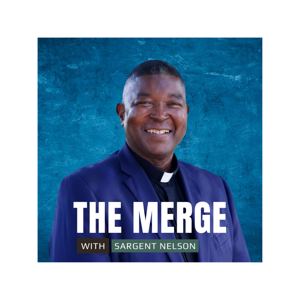


Episode Title: Do Not Be Afraid
In this Easter week episode of The Merge, we reflect on Matthew’s resurrection story and the quiet honesty of Easter morning. Mary Magdalene and the other Mary come to the tomb carrying grief, not certainty. Yet it is there, in the midst of trembling, that they hear the first word of resurrection: “Do not be afraid.”
This devotional explores how Easter does not deny sorrow or erase fear, but meets us in the middle of both with the living presence of Christ. In a world shaped by anxiety, exhaustion, and uncertainty, the risen Jesus still comes near, speaks peace, and sends us forward in hope.
This episode is a reminder that faith is not the absence of trembling. It is learning to keep moving in the presence of the risen Christ.
Why Matthew begins Easter with grief and faithfulness rather than triumph
What “Do not be afraid” means in the light of resurrection
How fear and joy can exist together in a life of faith
The hope that Christ still meets us on the road
Easter begins where real people live: in grief, uncertainty, and longing
Fear may be real, but it is not the deepest truth
Jesus meets us before we have everything resolved
Resurrection hope calls us to keep moving in faith
Risen Christ,
The King Who Comes Another Way
Matthew 21:1–11
In this Palm Sunday sermon from Matthew 21:1–11, we reflect on Jesus’ entry into Jerusalem as more than a moment of celebration. It is a revelation of the kind of king he is. Welcomed by the crowd with cries of “Hosanna,” Jesus comes not in force, spectacle, or domination, but in humility, truth, and holy love. This message invites listeners to consider how Palm Sunday speaks to our own lives, especially in times of weariness, uncertainty, and longing. As Holy Week begins, we are called not only to admire Jesus, but to receive him as he truly comes, the humble king who meets us in our need, reshapes our understanding of power, and leads us in the way of peace.
Palm Sunday as both praise and revelation
Jesus’ humility as a sign of holy authority
moving from admiration to deeper discipleship
receiving Christ beyond worldly assumptions about power
entering Holy Week with reverence, honesty, and grace
Lord Jesus Christ,
The King Who Comes Another Way
In this episode of The Merge, we reflect on Palm Sunday through the lens of Matthew 21:1–11. Jesus enters Jerusalem as king, but not in the form of power many expected. He comes in humility, truth, and peace, revealing a kingdom not built on domination or spectacle, but on holy love.
This devotional invites listeners to consider not only the crowd’s praise, but also the deeper question Palm Sunday raises: Are we ready to receive Jesus as he truly comes? In a world shaped by anxiety, visibility, and the pressure to trust what appears strong and immediate, Christ offers another way, a way of faithful presence, moral clarity, and humble authority.
As Holy Week begins, this episode encourages us to bring both our praise and our need before Christ, trusting that he comes to us even while our understanding is still incomplete.
In this episode, listen for:
how Palm Sunday is both a moment of praise and a moment of revelation
why Jesus’ humility is not weakness, but a sign of holy authority
how the cry “Hosanna” is both worship and a prayer for help
what this text teaches us about trusting Christ in anxious and unsettled times
why following Jesus means allowing him to reshape our understanding of power, peace, and faithfulness
Lord Jesus Christ,
Text: Ezekiel 37:1–14
In this sermon for Lent, we reflect on Ezekiel’s vision of the valley of dry bones as a word for communities and lives marked by weariness, loss, and unfinished rebuilding. This message speaks to the quiet places of congregational and personal life where hope has grown thin and the future feels uncertain.
Rather than rushing past the valley, Ezekiel 37 teaches us that God meets the people there, among what is dry, scattered, and broken, and begins the work of restoration with truth, patience, and breath. This sermon invites us to consider the difference between structure and true spiritual life, and to trust that the Spirit of God is still able to gather what has been scattered and breathe life into what seems diminished.
This is a word of steady hope for Lent: the valley is real, but it is not final.
Listen for the call to tell the truth before God, the reminder that activity is not the same as renewal, and the promise that God is still at work in the unfinished places of our lives and churches.
God does not avoid the valley.
Faithful God, we thank you for your Word spoken in the valley and for your Spirit that still gives life. Take what we have heard and settle it deep within us. Where we are weary, renew us. Where we are uncertain, guide us. Where we are dry in spirit, breathe upon us again. Through Jesus Christ our Lord. Amen.
Ezekiel 37, Lent, valley of dry bones, sermon podcast, New Thomson UMC, Sargent Nelson, church renewal, spiritual renewal, Wesleyan preaching, hope, healing, breath of God
When God Meets Us in the Rubble
In this episode of The Merge, we reflect on Ezekiel 37:1–14, the powerful vision of the valley of dry bones, through the lens of Lent and the lived realities of communities trying to find life after disruption. This is a word for weary hearts, for churches still carrying memory and strain, and for anyone standing in a season that feels dry, unfinished, or uncertain.
This episode explores how God does not avoid the valley, deny the rubble, or rush people past their pain. Instead, God meets the community in the place of devastation, gathers what has been scattered, and breathes life where hope has grown thin. For congregations emerging from fracture, and for individuals carrying quiet exhaustion, Ezekiel’s vision offers not shallow optimism, but a deeper, steadier hope: the valley is real, but it is not final.
Listen for how Ezekiel 37 speaks not only to personal struggle, but to communal exhaustion. Notice the difference between structure and breath, between activity and true spiritual renewal. Pay attention to the reminder that God’s work often begins not in denial, but in honest truth-telling before grace begins to move.
This episode invites us to remember that:
God is present even in the valley
honesty before God is part of healing
structure alone is not the same as spiritual life
the Spirit still gathers what has been scattered
communities can stand again by grace
God of breath and mercy, meet us in the places that feel dry, scattered, and unfinished. Where we are weary, renew us. Where we are wounded, hold us. Where we are merely going through the motions, breathe your life into us again. Teach us not to fear the valley, but to trust that you are present there. Gather what has been scattered, heal what has been strained, and make us into a people who can stand by your grace. Through Jesus Christ our Lord. Amen.
Ezekiel 37, valley of dry bones, Lent, The Merge podcast, Sargent Nelson, New Thomson UMC, church renewal, spiritual renewal, communal healing, Wesleyan preaching, hope after hardship, breath of God, Christian podcast
Subscribe to The Merge, share this episode with someone who needs encouragement, and join us as we keep listening for where faith meets life.
The Future Is Still in the Field
On this fourth Sunday of Lent, Pastor Sarge reflects on the moment when God meets Samuel in his grief and asks a searching question: “How long will you grieve over Saul?” Samuel is mourning what has been lost, but God is already preparing what comes next. In this Lenten message, we are reminded that grief is real, but it must not become our direction.
As Samuel goes to Jesse’s house, he assumes God’s future will look obvious, strong, and impressive. But the Lord rejects outward appearance and chooses David, the overlooked shepherd still in the field. This passage speaks a timely word to the church: God’s future is often being formed in quiet, ordinary, and hidden places long before it is publicly recognized.
For New Thomson and for all who are navigating change, uncertainty, or a season of becoming, this sermon offers hope and challenge. We are invited to let go of old measures of success, resist being trapped by the past, and trust that the Spirit is at work even when the future does not yet look fully established.
This is a word for anyone learning to trust that God is still preparing something new.
Grief must be honored, but it cannot become our compass.
God sees differently than we do.
The future may not be in the obvious places.
Hidden seasons are not wasted seasons.
The church is called to discern, not force, the future.
Gracious and faithful God,
The Future Is Still in the Field
In this episode of The Merge, Pastor Sarge reflects on the moment when God asks the prophet Samuel a searching question: “How long will you grieve over Saul?” Samuel is mourning what has been lost, but God is already preparing what comes next.
This devotional explores how the future God is shaping often begins in quiet and unexpected places. While Samuel looked for the next king among Jesse’s impressive sons, God chose David, who was still out in the field tending sheep. It is a reminder that God’s work frequently begins far from the spotlight, in ordinary places where faithfulness is quietly formed.
In a world that values appearance, visibility, and immediate results, this passage invites us to trust that God is still at work even when the future is not yet obvious. Whether you are navigating change, grieving a season that has ended, or waiting for clarity about what comes next, this reflection offers a word of hope: the field may be exactly where God is preparing your future.
• Grief is real, but it cannot become our direction.
• God’s vision is deeper than outward appearance.
• The future often begins in hidden places.
• Faithfulness in ordinary places matters.
• God is already preparing what comes next.
Gracious God,
On this Third Sunday of Lent, Pastor Sarge preaches from John 4:5–12, where Jesus, tired from the journey, sits down at Jacob’s well in Samaria and begins with a simple request: “Give me a drink.” Before the conversation turns to “living water,” the text exposes the boundary lines that shape belonging: who is presumed safe, who must prove themselves, and who is allowed to share life in common.
With a Wesleyan tone and pastoral depth, this sermon invites us to see how grace meets us in contested spaces and how Christ crosses racialized boundaries without domination. Lent becomes a school of desire, where the Spirit retrains our instincts, moving us from scarcity and suspicion toward sanctified attention: presence over distance, listening over labeling, and neighbor-love over tribal sorting. The call is not merely to be “nicer,” but to become a living-water people, so the church is a well of mercy in the community, not a checkpoint of gatekeeping.
Scripture: John 4:5–12 (NRSVUE)
Closing Prayer:
Today on The Merge, Pastor Sarge reflects on John 4:5–12
Jesus sitting at Jacob’s well in Samaria and beginning with a simple, vulnerable request: “Give me a drink.”
Before the “living water” conversation unfolds, the text exposes the world’s grammar of belonging: boundaries, suspicion, and the quiet habits that teach us who should (and shouldn’t) be “shared with.” In an age shaped by tribal sorting and algorithmic division, this episode invites us to let grace interrupt the reflex to label people before we love them.
With a Wesleyan tone and a Lenten focus, you’ll hear a steady call to practice sanctified attention, presence over distance, listening over assumptions, humility over control, so the church becomes a well of mercy rather than a checkpoint of gatekeeping.
Takeaways:
Jesus crosses boundaries without domination, he begins with humility, not control.
Belonging often breaks down in the “small” places: sharing space, trust, and common life.
Grace doesn’t erase hard history; it breaks the power of the wall and forms a new “we.”
In the algorithmic era, sanctified attention resists sorting: presence, listening, and neighbor-love.
A living-water church becomes a well, not a checkpoint: shared table, shared story, shared life.
Short Prayer:
Scripture: John 4:5–12 (NRSVUE)
Sermon Title: Born From Above in a “Prove Yourself” World
In this sermon for the Second Sunday in Lent, Pastor Sarge explores Jesus’ nighttime conversation with Nicodemus and the quiet pressure many of us carry to manage our image, prove our worth, and keep faith “under control.” Nicodemus arrives with credentials and certainty (“We know…”), but Jesus offers something deeper than information: new birth from above; a Spirit-given life we cannot achieve, only receive.
With a Wesleyan pastoral tone, this message invites you out of performance religion and into grace-shaped transformation: prevenient grace that draws us, justifying grace that receives us, and sanctifying grace that forms holy love through the means of grace.
What to listen for
Why Nicodemus coming “by night” matters for our hidden questions and fears
What Jesus means by “born from above” (more than self-improvement)
The Spirit as wind: real, free, and not controllable
“Lifted up” as cross and glory: where love becomes certain
John 3:16 as rescue announcement, not a slogan
Takeaways
God meets us in the night and leads us into the light
Faith is not a ladder to climb; it’s grace to receive
You can release the need to prove yourself and live from God’s love
New life grows through prayer, Scripture, community, and works of mercy
Closing Prayer
Keywords: Lent, John 3, Nicodemus, new birth, born again, born from above, Wesleyan, grace, sanctification, cross, spiritual formation, The Merge
Call to action: Subscribe, share this episode with a friend, and join us for worship at New Thomson United Methodist Church.
From the publisher's feed
The Merge Podcast offers short, drive-time devotionals that connect faith to everyday moments. Each 3-5 minute episode blends Scripture, reflection, and prayer; helping you center your heart, refocus your purpose, and live out your faith wherever the day takes you.
Whether you're on your morning commute, walking between classes, or winding down after work, The Merge invites you to slow down, listen, and rediscover how God's Word Still speaks in today's world.