
Sign up to save your podcasts
Or

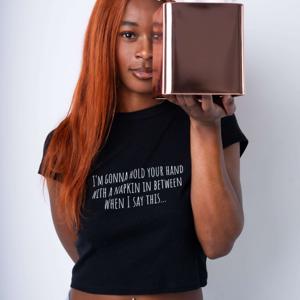


Taking a leap of faith can transform your entire life – even when you don't have everything figured out beforehand. When I found myself increasingly unhappy in Atlanta despite being closer to family, I kept daydreaming about New York City during visits to friends there. The six-lane highways triggered my driving anxiety, making friends as a nanny proved nearly impossible, and something essential was missing from my life.
The turning point came unexpectedly. My employer, who had never heard me mention wanting to move, texted out of nowhere: "I could really see you living in New York City." Those words felt like divine confirmation of the thoughts I'd been quietly harboring. Despite having no job lined up and limited savings, I joined Facebook groups to find roommates, packed everything into a rented pickup truck (which I promptly scraped in the airport parking garage), and made the nerve-wracking drive from Atlanta to NYC with my dog Luna.
Those first weeks tested my resolve. I worked at a daycare while searching for nanny positions, questioning my decision until a family I babysat for connected me with my current employers. Two years later, as I prepare to move apartments within the city, I realize that betting on myself was the catalyst for everything good in my life now – my podcast, my content creation journey, and a sense of belonging I never found elsewhere.
If you're waiting for permission to take that chance you've been contemplating, consider this your sign. You don't need to have every detail meticulously planned. The most beautiful parts of life often emerge from those moments when we trust ourselves enough to leap, knowing we'll figure out the landing on the way down. What would your life look like if you took that chance today?
Moving apartments shouldn't feel like a fight to the death, yet that's exactly what it's become in New York City. Picture this: you're balanced on a pedestal, unable to step off too early (landlords won't show you apartments a month before your move date), forced to wait until the perfect moment when you must sprint against countless others toward the same limited housing options. This absurd reality perfectly captures how we've complicated the most basic human needs.
Why do landlords insist on showing apartments only two weeks before availability? Why do employers require multiple interviews for straightforward positions? The pattern is clear - those in positions of power create unnecessary obstacles, turning life's essentials into exhausting competitions. During my recent apartment hunt, every interaction with male landlords and agents reminded me how much harder they make these processes than necessary.
This manufactured difficulty extends beyond housing into our broader social fabric. We're witnessing a culture where violent rhetoric is defended as "opinion" until it manifests as physical violence, at which point everyone expresses shock while refusing accountability. The recent controversy surrounding Jimmy Kimmel's show being pulled after his comments about political violence highlights this hypocrisy. Those claiming to champion free speech are often the first to silence opposing viewpoints.
America's complicated relationship with violence deserves honest examination. While I'm not condoning violence, it's ahistorical to claim it "never solves anything" in a country literally founded through violent revolution. The deeper issue is why people who claim to dislike others can't simply leave them alone - instead, they actively work to make life harder for those with different identities or perspectives.
We live on a floating rock in space where none of these complications are inherently necessary. Life could be so much simpler if we chose respect and coexistence over obstruction and hostility. This isn't just wishful thinking - it's a reminder that the systems making our lives difficult were created by people and can be changed by people. The question is: when will we decide that life doesn't have to be this hard?
What do you do when a lifelong friendship is compromised by racism? In this raw and candid episode, I dive deep into the difficult terrain of friendship boundaries, specifically when it comes to race and respect.
The heart of this episode centers on a listener submission through my "What Would Daijné Do" segment. A young Black woman writes about her 13-year friendship with someone who consistently demonstrates problematic behavior: maintaining relationships with Trump supporters, defending racist comments, and using her as a token "Black friend" to prove she isn't racist herself.
This situation raises profound questions about friendship, loyalty, and self-respect. How many chances should we give people who don't see our full humanity? Is it our responsibility to educate friends on racism, or should they be doing that work themselves? When does the length of a friendship stop outweighing its quality?
I offer my unfiltered perspective: while friend breakups can be more painful than romantic ones, opening that door means creating space for relationships that truly honor who you are. Quality over quantity applies to friendships too – someone who allows racism to slide likely doesn't value you completely.
This conversation extends beyond this specific scenario to touch on universal questions about what we deserve from our closest relationships. Sometimes the hardest but most necessary thing is recognizing when someone's actions no longer align with their words of love and friendship.
Have your own situation you'd like advice on? Email [email protected] with your WWDD request!
Something strange happens when we spend too much time scrolling through feeds, watching reality shows, and following strangers online. We forget the line between entertainment and reality. The imaginary relationships we build with public figures start feeling real, and suddenly we're fighting like our lives depend on defending people who don't know we exist.
This episode dives deep into the disturbing trend of parasocial relationships through the lens of recent Love Island drama. What should be light entertainment has morphed into something darker, with fans resorting to racist attacks to defend their favorite contestants – often while claiming to fight against racism themselves. The cognitive dissonance is staggering, and it reveals just how disconnected we've become from healthy human interaction.
I share my own experience finding peace by disconnecting from screens while spending time in The Hamptons with my nanny kids. The simple joy of jumping on trampolines, swimming for hours, and feeling grass beneath my feet provided the mental refreshment we all desperately need. Social media has been life-changing for me as a content creator, but it's also becoming "a cancer to society" when it drives us to develop unhealthy attachments to strangers.
When fans actively hope for couples to break up just to validate their opinions, or when they can't fathom that someone like Nic might genuinely like someone like Olandria without assuming it's a "scam," we've crossed into dangerous territory. The solution is remarkably simple, though increasingly difficult: disconnect, put down the phone, and touch grass. Support the people you enjoy watching without tearing others down. Remember that these are real people with real feelings – not characters who exist solely for our entertainment.
Ready to break free from the parasocial trap? Start by examining your own relationship with social media and reality TV. Are you developing unhealthy attachments to strangers? Is your enjoyment turning into obsession? Maybe it's time to step outside and reconnect with the real world around you.
Finding your perfect place in the world feels like coming home to yourself. In this powerful episode, I open by sharing my journey through small Pennsylvania towns to Pittsburgh, Atlanta, and finally New York City – where I've discovered that perfect balance of quiet neighborhood living with big-city opportunities just a subway ride away.
This sense of place becomes a metaphor for something much bigger as I dive into the disturbing situation unfolding in Texas. State Representative Nicole Collier was recently held hostage in the Texas Capitol building for refusing to participate in voter suppression tactics. While other Democrats signed "permission slips" allowing them to leave with police escorts, Collier stood firm, sleeping on the Capitol floor for two nights – a lone Black woman refusing to enable a system where five Black votes would equal one white vote.
The contrast is stark: finding my place in New York allows me freedom and joy, while Collier fights for basic democratic rights. This raises urgent questions about who's standing up while democracy crumbles. Why are Republicans allowed to break rules while Democrats try to follow them? Where are the white allies using their privilege to reach those who won't listen to Black voices?
My frustration reaches a crescendo when examining how Trump supporters vote against their own interests, seemingly allowing racism and misogyny to overcome common sense. I challenge us all to consider who's really fighting for democracy – and who needs to step up.
Join me for this raw, unfiltered conversation about finding your place – both in a city that feels like home and in a democracy that increasingly feels like it's slipping away. What will you do to stand up before it's too late?
The journey toward authentic self-expression online isn't easy, especially for those from marginalized communities. In this candid episode, I open up about my recent creative project that unexpectedly resonated with so many of you, and how much it means to finally be embraced for my genuine self after years of feeling pressure to conform.
As I describe my "firecracker" personality (courtesy of my Sagittarius sun, Sagittarius moon, and Leo rising placements), I reflect on the liberation that comes with no longer trying to fit in. Being fully myself online—outspoken, passionate, and unfiltered—has created a space where we truly see and understand each other beyond the digital divide.
But having a platform comes with responsibilities. When followers asked for my take on Cardi B's recent fatphobic comments about her merchandise, I recognized something crucial: this was a moment to step back. Some situations call for us to amplify voices rather than center our own opinions, especially when we're not part of the community directly affected.
True allyship isn't performative—it requires knowing when to speak and when to listen. Dismissing harmful remarks as "just jokes" normalizes bigotry and upholds systems of oppression that kill people daily. Fighting fatphobia, racism, homophobia, and other forms of discrimination requires more than passive non-participation; it demands active, everyday resistance.
Follow educators like Samyra (@samyra) and Daven (@imdaven) for perspectives rooted in lived experience, and remember that education comes best from those navigating these realities firsthand. If you appreciate authentic content that entertains while challenging you to think differently, subscribe to Napkin In Between wherever you get your podcasts!
Finding your voice can be one of life's most challenging yet essential skills. As a former therapist with a master's degree in social work, I offer a unique perspective on the viral TikTok controversy where a woman claims her psychiatrist reciprocated romantic feelings. I break down why basic rapport-building techniques are often misinterpreted as romantic interest, and why clear boundaries are crucial in professional relationships.
Drawing from my experience working with vulnerable populations, I explain the importance of documentation, clear communication, and appropriate measures when boundaries are crossed. It's a delicate balance, but it must be maintained; while the main priority of mental health professionals is to help clients, they must also protect themselves from misinterpretation and potential harm to their reputation and career.
Whether you're struggling to speak up for yourself or working in a field where professional boundaries are essential, this episode offers valuable insights into the delicate balance of setting boundaries while maintaining respect and dignity for all involved. Remember, sometimes the bravest thing we can do is speak up, even when our voice is shaking.
Subscribe to Napkin in Between for more candid conversations about life's challenges and the courage it takes to face them head-on.
Trust betrayed, time wasted, and the painful reality of being used—this episode, we dive into the shocking breakup between Kenny Rodriguez and JaNa Craig from Love Island Season 6. What appeared to be a beautiful love story spanning nearly a year has unraveled into something far more disturbing and all too familiar for many Black women.
The breakup between Kenny and JaNa has unleashed a firestorm that goes far beyond reality TV drama. What looked like a fairytale romance—from their third-place finish to nearly a year of seemingly happy dating—has crumbled into something far more sinister. According to allegations, Kenny wasn't just dishonest; he was in a relationship with JaNa solely for fame and financial gain while privately using racial slurs and expressing disdain for Black women.
This episode dives deep into why this situation resonates so painfully with many Black women. The constant questioning of intentions, the fear of being used, the exhaustion of navigating a world that simultaneously exploits and devalues your existence—these aren't just relationship concerns but daily realities. When someone fakes an entire relationship for a year, it doesn't just waste time; it fundamentally alters your perception of reality and trust.
The most troubling aspect of this whole situation? The impulse to blame JaNa rather than hold Kenny accountable. When every action reveals a society more comfortable questioning Black women's judgment than confronting the harmful behaviors directed toward them, we need to have uncomfortable conversations about protection, value, and humanity.
Black women deserve love without ulterior motives. We deserve relationships built on truth. And if you can't offer that? Please, just leave us alone.
Freedom of speech is under attack, and I'm not staying silent about it. Just as I've reached 2,100 subscribers by being authentically myself, I'm witnessing escalating censorship that should alarm everyone who values free expression.
My journey from quiet child to outspoken podcaster reflects a personal revolution against self-silencing. Growing up, I was that kid who barely spoke, always flying under the radar to avoid conflict. When people would say "you're so quiet, you should talk more," I'd try—only to be criticized for what I said. This led me into adulthood as a people-pleaser, a doormat letting others dictate my life while suppressing my true thoughts. The exhaustion of living inauthentically finally pushed me to speak up, set boundaries, and embrace my voice—even when it meant losing relationships with people who preferred the silent version of me.
This transformation mirrors what's happening on a larger scale. The recent cancellation of Stephen Colbert's show under suspicious "financial" circumstances, despite the same company signing a $1.5 billion deal with South Park, raises serious questions. South Park's brilliant 27th season premiere addressing censorship has essentially created a litmus test: if they face repercussions for criticizing powerful figures, it reveals the true nature of Colbert's cancellation—not financial troubles but silencing of dissent.
We're witnessing increasing restrictions on free speech across social media and mainstream platforms. I've lost multiple accounts for speaking against racism and political issues, but when established media figures face similar silencing, we've crossed into dangerous territory. The First Amendment specifically protects us from government interference with our speech, yet we're seeing potential political influence over media cancellations.
Your voice matters—whether you have two followers or two million. In a world of sanitized, brand-friendly content, authentic expression becomes radical and necessary. I'll never regret finding my voice after years of silence, and I encourage you to use yours. What made you smile this week? Share your thoughts and join me in speaking truth, even when—especially when—powerful forces would rather we stay quiet.
Don't forget to subscribe to join our growing community of people who refuse to be silenced.
The villainization of Black women in media isn't new, but the recent treatment of Love Island USA contestants Chelley and Olandria offers a powerful case study in how this harmful pattern continues today.
When major outlets like Time Magazine and Buzzfeed deliberately misrepresent situations to fit the "angry Black woman" narrative, we must call it what it is: racism. Time Magazine twisted Chelley's perfectly healthy communication (recognizing she was too emotional for a productive conversation) into "toxic interruption" – while later in the same article praising this exact behavior as healthy! The hypocrisy is stunning but unsurprising.
What's particularly heartbreaking is seeing how many people – including other Black women – fell into this carefully crafted trap. When we villainize Black women for expressing their feelings once, while granting endless chances to others who display problematic behavior repeatedly, we're perpetuating the same double standards that have harmed Black women for generations.
Reality TV isn't just entertainment; it's a reflection of our society's values. Production teams construct narratives with protagonists and antagonists, and Black women are too often forced into villain roles because it's the "easiest" stereotype to sell. One moment of justified frustration becomes "who they really are," while weeks of patience and grace are forgotten.
On the flip side, what makes couples like Nicolandria and Chellace so compelling is seeing Black women being loved loudly and proudly. When Nick and Ace openly adore Olandria and Chelley, they're countering the harmful narratives that too often define Black women's existence.
For those with platforms – we must be more careful about the narratives we amplify. Before you speak, ask yourself: Is it true? Is it helpful? Could my words be twisted to harm others? Let's commit to recognizing these patterns and refusing to participate in them.