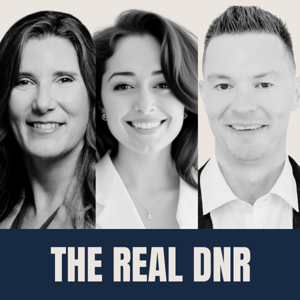
This episode explores the complex world of Do Not Resuscitate (DNR) orders, their history, misconceptions, and the importance of communication in end-of-life care. Join us as we discuss patient autonomy, family dynamics, medical ethics, end of life care, and how to navigate these sensitive decisions with compassion and clarity.
If you enjoyed this episode please rate ⭐, review, subscribe and share! We want everyone to be having these conversations and we deeply appreciate your support.
List of terms:
DNR = Do Not Resuscitate
DNR-C = Do Not Resuscitate Confirmation Form
AND = Allow Natural Death
Resuscitation = “the act or an instance of reviving someone from apparent death or from unconsciousness” (Merriam Webster Dictionary, 2026)
Code status = “Code status describes the type of life-saving actions you would want a healthcare team to take if your heart stopped beating or you stopped breathing while they were present” - Ontario Renal Network Code Status Conversations
Code = Often identified as “Code Blue”
ICU = Intensive Care Unit
ED = Emergency Department
Connect with us:
E-mail us at [email protected]
Follow Carly on @aceplanningco
Follow Sandra at @quality_life_planning
Join our community here
Follow us on Instagram
Disclaimer:
The information shared on The Real DNR Podcast is for educational purposes only and is not intended as medical, legal, or other professional advice. The views and opinions expressed by the hosts and guests are their own and do not reflect those of any employer, hospital, academic institution, professional body, or affiliated organization. Content discussed on this podcast reflects Ontario and Canadian health-care, legal, and ethical contexts and may not apply in other jurisdictions. Listening to this podcast does not create a professional, therapeutic, nurse-client, physician-patient, lawyer-client, or other professional relationship. This podcast is designed to support thoughtful conversations and help listeners feel more informed and confident when speaking with their health-care team, family, substitute decision-makers, and other qualified professionals. Any stories, anecdotes, or clinical examples shared on this podcast have been adapted and de-identified to protect privacy and maintain patient confidentiality. Always seek advice from appropriately qualified professionals regarding your own health, legal, or personal circumstances.