When a friendship begins to fade, many of us ask the same painful question:
Should I keep holding on… or is it time to let go?
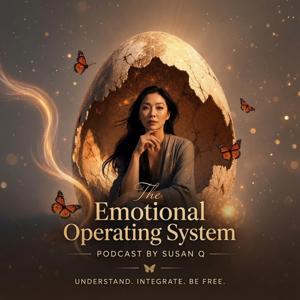
In this episode of The Same Emotional Structure, Susan Q. explores why changing friendships can feel so emotionally complex. Drawing on Aristotle’s timeless ideas about friendship, Richard Schwartz’s Internal Family Systems, and her own Emotional Operating System (EOS) framework, she examines how our past experiences, attachment patterns, and hidden identities shape the decisions we make.
Why do two people experience the same friendship ending so differently?
What part of us wants to keep fighting for the relationship?
What part quietly knows it’s time to move forward?
And when a friendship changes, are we grieving the loss of the person—or the story we told ourselves about who we were because of that relationship?
This episode is an invitation to become curious about the hidden conversations happening within us. Because sometimes the hardest decision isn’t whether to hold on or let go. It’s understanding who inside us is making that decision.
If you’ve ever struggled with a friendship drifting apart, this conversation may help you see both your relationships—and yourself—with greater clarity.
Why friendships naturally change through different seasons of lifeAristotle’s three kinds of friendshipWhy fading friendships can trigger grief and self-doubtRichard Schwartz’s idea of “parts” and how different protective voices influence our decisionsSusan Q.’s Emotional Operating System (EOS): how we give meaning to relationship changesIdentity Completion Theory: why we sometimes grieve an identity, not just a relationshipA new way to approach the question: Should I hold on, or should I let go?Because every friendship reveals something about another person.
But perhaps its greatest gift is revealing something about ourselves.