
Sign up to save your podcasts
Or



Got something to say to this podcast? Send a voicemail, and you might hear yourself on the next episode!
We measure things because we want to improve them.
Businesses track performance. Teams set targets. Organizations use dashboards to understand progress.
But what happens when the measurement itself becomes the goal?
A customer support team might reduce call times while leaving more customers dissatisfied. A company might achieve its sales targets while undermining customer trust.
The numbers improve. But the real outcomes get worse.
In Episode 04 of The Thinking Behind, we explore Goodhart's Law — why a useful measure can become misleading when it turns into a target.
The problem isn't necessarily the metric. It's how targets, rewards, and pressure change people's behavior.
Through examples involving customer support and the Wells Fargo unauthorized accounts scandal, we examine how performance metrics can encourage shortcuts, distorted incentives, and unintended consequences.
In this episode, we explore:
• What Goodhart's Law means and why it matters
• Why measurements become misleading targets
• The difference between improving metrics and real outcomes
• How incentives influence human behavior
• Why performance targets can undermine customer trust
• How metric gaming and unintended consequences develop
• Why counter-signals reveal what dashboards miss
• How to measure progress without losing sight of the purpose
This isn't an argument against measurement.
It's a reminder that every metric captures only part of reality.
Instead of only asking:
“Did we reach the target?”
Ask:
“Did reaching the target actually improve what matters?”
Because sometimes the problem isn't that a system fails to achieve its goals.
It's that the system succeeds at the wrong thing.
━━━━━━━━━━━━━━━━━━━━
ABOUT THE THINKING BEHIND
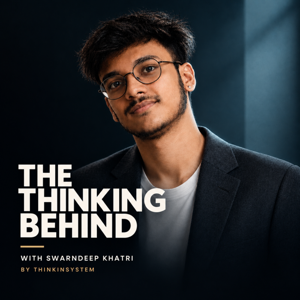
The Thinking Behind is a podcast by ThinkInSystem exploring the ideas, decisions, mental models, and systems behind human behaviour, businesses, technology, and the world around us.
Hosted by Swarndeep Khatri.
Think better. Decide better. Build better systems.
━━━━━━━━━━━━━━━━━━━━
FOLLOW THINKINSYSTEM
YouTube: https://youtube.com/@think.in.system
Instagram: https://www.instagram.com/think.in.system/
FOLLOW SWARNDEEP KHATRI
Instagram: https://www.instagram.com/swarndeepkhatri_14/
LinkedIn: https://www.linkedin.com/in/swarndeep-khatri-5a1576262/
━━━━━━━━━━━━━━━━━━━━
TOPICS COVERED
Goodhart's Law | Performance Metrics | Incentives | Systems Thinking | Unintended Consequences | Decision Making
━━━━━━━━━━━━━━━━━━━━
DISCLAIMER
The Thinking Behind is created for educational and informational purposes. The ideas shared are intended for learning, exploration, and reflection.
Got something to say to this podcast? Send a voicemail, and you might hear yourself on the next episode!
Why do success stories sometimes teach us the wrong lessons?
We naturally study successful people to understand what they did right.
The entrepreneur who built a valuable company. The investor whose bet paid off. The creator who reached millions.
But there is a hidden problem:
We see the winners. We rarely see everyone who followed similar advice, worked just as hard, took similar risks — and failed.
In Episode 3 of The Thinking Behind, we explore survivorship bias and a fundamental problem with learning from success:
The story we see is not always the full sample.
When we study only successful outcomes, it becomes easy to mistake correlation for a formula. Hard work, risk-taking, persistence, and unconventional decisions may matter — but what about all the people who did the same things and never became success stories?
This episode explores:
• Why studying only winners creates an incomplete picture
• What survivorship bias actually means
• Why missing failures can completely change the lesson
• How media and algorithms make exceptional outcomes feel normal
• The difference between skill, luck, timing, and circumstances
• Why a good decision can still produce a bad outcome
• Why copying successful people can be misleading
• How to learn principles instead of simply copying actions
The goal isn't to dismiss achievement as luck.
It's to understand the complete system that produced the outcome.
Instead of only asking:
“What did this person do?”
Ask:
“Under what conditions did it work?”
Because sometimes the lesson isn't hidden in the action.
It's hidden in the system behind the action.
━━━━━━━━━━━━━━━━━━━━
ABOUT THE THINKING BEHIND
The Thinking Behind is a podcast by ThinkInSystem exploring the ideas, decisions, mental models, and systems behind human behaviour, businesses, technology, and the world around us.
Hosted by Swarndeep Khatri.
Think better. Decide better. Build better systems.
━━━━━━━━━━━━━━━━━━━━
FOLLOW THINKINSYSTEM
YouTube: https://youtube.com/@think.in.system
Instagram: https://www.instagram.com/think.in.system/
FOLLOW SWARNDEEP KHATRI
Instagram: https://www.instagram.com/swarndeepkhatri_14/
LinkedIn: https://www.linkedin.com/in/swarndeep-khatri-5a1576262/
━━━━━━━━━━━━━━━━━━━━
TOPICS COVERED
Survivorship Bias | Success Psychology | Decision Making | Cognitive Biases | Systems Thinking | Mental Models | Critical Thinking | Luck vs Skill | Human Behaviour
━━━━━━━━━━━━━━━━━━━━
CHAPTERS
00:00 Introduction — The Missing Half of Success Stories 01:22 The Story We See Is Not the Whole Sample 02:34 Survivorship Bias: The Missing Stories 03:51 Why Exceptional Stories Feel Normal 05:13 Skill, Luck, Timing & Outcomes 06:43 How to Actually Learn From Success 08:21 Closing Thoughts — Look Beyond the Winner
━━━━━━━━━━━━━━━━━━━━
DISCLAIMER
The Thinking Behind is created for educational and informational purposes. The ideas shared are intended for learning, exploration, and reflection.
#SurvivorshipBias #SystemsThinking #DecisionMaking
Got something to say to this podcast? Send a voicemail, and you might hear yourself on the next episode!
Why do we solve problems the way we do?
Most people approach problems by looking forward:
Where am I now?
Where do I want to go?
How do I get there?
But some of the most powerful thinking begins by asking different questions:
How could this fail?
And then what?
In Episode 2 of The Thinking Behind, we explore the hidden systems behind effective problem solving — and the mental models that help us think more clearly.
This episode explores three powerful ways of thinking:
• Inversion thinking — solving problems backwards by identifying what could create failure before it happens
• Second-order thinking — looking beyond immediate results and understanding the consequences that follow
• First-principles thinking — separating facts from assumptions and questioning how a problem is framed
We explore why good solutions can sometimes create new problems, why removing the wrong behaviours can be more powerful than adding more strategies, and why questioning assumptions can completely change the way we approach challenges.
The questions are:
Are we solving the real problem?
Or are we simply becoming better at solving the wrong one?
What happens after the solution works?
Welcome to The Thinking Behind — a podcast where we explore the ideas, decisions, mental models, and systems behind human behaviour, businesses, technology, and the world around us.
Think better.
Decide better.
Build better systems.
━━━━━━━━━━━━━━━━━━━━
About The Host
I'm Swarndeep Khatri.
I have always been curious about one question:
"What is the thinking behind how things work?"
Whether it is human behaviour, businesses, technology, science, or everyday decisions — I am fascinated by understanding the patterns and principles that exist beneath the surface.
Through The Thinking Behind, I explore ideas that help us understand why people think, decide, create, and build.
This journey begins from Ranchi, Jharkhand, with a simple goal:
To understand the thinking behind everything.
━━━━━━━━━━━━━━━━━━━━
Follow ThinkInSystem:
YouTube:
https://youtube.com/@think.in.system
Instagram:
https://www.instagram.com/think.in.system/
Follow Swarndeep Khatri:
Instagram:
https://www.instagram.com/swarndeepkhatri_14/
LinkedIn:
https://www.linkedin.com/in/swarndeep-khatri-5a1576262/
━━━━━━━━━━━━━━━━━━━━
Topics covered:
Problem Solving | Mental Models | Critical Thinking | Systems Thinking | Decision Making | Psychology | Human Behaviour | Business Strategy
━━━━━━━━━━━━━━━━━━━━
CHAPTERS:
00:00 Introduction
01:00 The Problem With Forward Thinking
02:00 Inversion Thinking: Solve Problems Backwards
04:30 Second-Order Thinking: And Then What?
06:30 First-Principles Thinking: Question The Problem
08:00 Combining The Three Thinking Models
09:30 Closing Thoughts
━━━━━━━━━━━━━━━━━━━━
Disclaimer:
The Thinking Behind is created for educational and informational purposes. The ideas shared are intended for learning, exploration, and reflection.
Got something to say to this podcast? Send a voicemail, and you might hear yourself on the next episode!
Why do smart people make bad decisions?
Every day, intelligent people make decisions they later regret.
People with knowledge, experience, and access to more information than ever before — yet intelligence alone does not guarantee better decisions.
In the first episode of The Thinking Behind, we explore one of the biggest contradictions in human behaviour:
If intelligence helps us think better, why do intelligent people still make irrational choices?
This episode explores the hidden systems behind our decisions — the beliefs, emotions, experiences, biases, and assumptions that influence how we see the world.
In this episode, we discuss:
• Why intelligence is not the same as rationality
• How confirmation bias shapes our beliefs
• Why memorable events can change how we judge risk and probability
• How the sunk cost fallacy keeps us attached to past decisions
• How to build better thinking systems
The question is:
Are we seeing reality clearly — or are we seeing reality through the filters created by our own minds?
Welcome to The Thinking Behind — a podcast where we explore the ideas, decisions, and mental models behind human behaviour, businesses, technology, and the world around us.
━━━━━━━━━━━━━━━━━━━━
About The Host
I'm Swarndeep Khatri.
I have always been curious about one question:
"What is the thinking behind how things work?"
Whether it is human behaviour, businesses, technology, science, or everyday decisions — I am fascinated by understanding the patterns and principles that exist beneath the surface.
Through The Thinking Behind, I explore conversations and ideas that help us understand why people think, decide, create, and succeed.
This journey begins from Ranchi, Jharkhand, with a simple goal:
To understand the thinking behind everything.
Think better. Decide better. Build better systems.
━━━━━━━━━━━━━━━━━━━━
Follow ThinkInSystem:
YouTube:
https://youtube.com/@think.in.system
Instagram:
https://www.instagram.com/think.in.system/
Follow Swarndeep Khatri:
Instagram:
https://www.instagram.com/swarndeepkhatri_14/
LinkedIn:
https://www.linkedin.com/in/swarndeep-khatri-5a1576262/
━━━━━━━━━━━━━━━━━━━━
Topics covered:
Decision Making | Psychology | Human Behaviour | Critical Thinking | Mental Models | Systems Thinking
━━━━━━━━━━━━━━━━━━━━
CHAPTERS:
00:00 Introduction
01:00 Intelligence Is Not Rationality
03:00 The Invisible Systems Behind Our Decisions
03:30 Confirmation Bias
05:00 The Availability Heuristic
06:30 The Sunk Cost Fallacy
08:00 Building A Better Thinking System
09:30 Closing Thoughts
━━━━━━━━━━━━━━━━━━━━
Disclaimer:
The Thinking Behind is created for educational and informational purposes. The ideas shared are intended for learning, exploration, and reflection.
From the publisher's feed
The Thinking Behind is a podcast hosted by Swarndeep Khatri, exploring the psychology, ideas and decisions that shape how we think, behave and live.
Through each episodes, stories and…
From everyday decisions to the ideas behind successful businesses, each episode looks beyond the obvious to uncover why things happen and what we can learn from them.
Not just what happened. But why.
Follow The Thinking Behind to question assumptions, understand the world differently and think a little deeper.