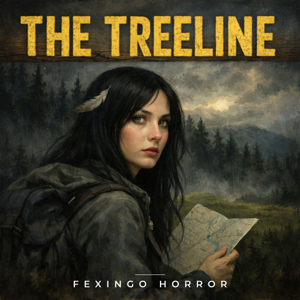
October 1998. The town of Twin Forks, Vermont, had a cemetery that nobody talked about after dark. A low stone wall, barely three feet high, encircling the oldest section—the Potter's Field. But the wall wasn't made of stone. It was made of bone. Luna's uncle, a retired groundskeeper, told her the story one night over whiskey, his hands shaking as he refilled his glass. He'd found the wall by accident, sweeping fallen leaves in the autumn dusk. The bones were human. Every single one. Femurs laid like railroad ties, ribs stacked like shingles, a skull worked into the corner post. He was told to forget what he'd seen, but the wall kept growing. Each year, a few more bones appeared. And each year, the graves in the Potter's Field seemed shallower. This is a story about what we build to keep things out—and what builds itself to keep things in.