
Sign up to save your podcasts
Or

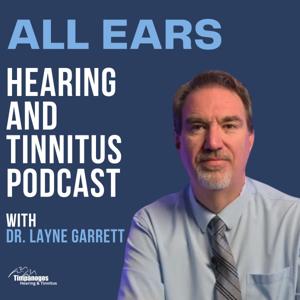

Many people are prescribed medications when tinnitus becomes overwhelming, but very few understand what those medications actually do—or don't do. In this episode, Dr. Layne Garrett explains why no FDA-approved drug currently exists for tinnitus and breaks down the most common prescriptions patients receive, including antidepressants, benzodiazepines, anticonvulsants, and steroids.
You'll learn why these medications rarely reduce tinnitus loudness, how they may still help with anxiety, sleep, or distress, and why some drugs carry important safety considerations. Dr. Garrett also discusses the evidence behind treatments that do make a difference: cognitive behavioral therapy, sound therapy, hearing aids for those with hearing loss, and newer approaches like bimodal neuromodulation.
If you're trying to understand your options or make sense of conflicting advice, this episode offers a clear, clinical look at what research supports—and how real patients make meaningful progress through evidence-based care and auditory retraining.
Resources: Tinnitus Learning Center: https://utahhearingaids.com/learning-center Schedule an Appointment: https://utahhearingaids.com/
Follow the show for more evidence-based conversations about tinnitus, hearing loss, and hearing health.
 View all episodes
 By Layne Garrett
Many people are prescribed medications when tinnitus becomes overwhelming, but very few understand what those medications actually do—or don't do. In this episode, Dr. Layne Garrett explains why no FDA-approved drug currently exists for tinnitus and breaks down the most common prescriptions patients receive, including antidepressants, benzodiazepines, anticonvulsants, and steroids.
You'll learn why these medications rarely reduce tinnitus loudness, how they may still help with anxiety, sleep, or distress, and why some drugs carry important safety considerations. Dr. Garrett also discusses the evidence behind treatments that do make a difference: cognitive behavioral therapy, sound therapy, hearing aids for those with hearing loss, and newer approaches like bimodal neuromodulation.
If you're trying to understand your options or make sense of conflicting advice, this episode offers a clear, clinical look at what research supports—and how real patients make meaningful progress through evidence-based care and auditory retraining.
Resources: Tinnitus Learning Center: https://utahhearingaids.com/learning-center Schedule an Appointment: https://utahhearingaids.com/
Follow the show for more evidence-based conversations about tinnitus, hearing loss, and hearing health.