
Sign up to save your podcasts
Or

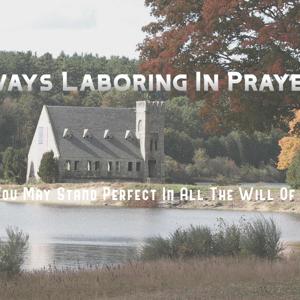

It is not a matter of time so much as a matter of heart; if you have the heart to pray, you will find the time. ~ C.H. Spurgeon
In the Bible, there were lots of prayer times, like:
Before daylight - Jesus rose long before dawn, went to a solitary place, and prayed there (Mark 1:35).
In the morning - The psalmist declared that God would hear his voice in the morning as he directed his prayer upward (Psalm 5:3). Morning prayer comes before the Lord (Psalm 88:13), and in the morning we can hear His lovingkindness as we trust in Him (Psalm 143:8). The prophet Isaiah reminded us that the Lord is our strength every morning and our salvation in times of trouble (Isaiah 33:2).
In the afternoon - Peter and John went up to the temple at the ninth hour, the hour of prayer (Acts 3:1, approximately 3 pm).
Night and day - God’s elect cry to Him both day and night (Luke 18:7). The widow who is truly alone fixes her hope on God and continues in prayers night and day (1 Timothy 5:5).
All night - Jesus went to the mountain to pray and spent the entire night in prayer to God (Luke 6:12).
Twice daily - The psalmist called for help by day and cried out in the night (Psalm 88:1).
Thrice daily - Evening, morning, and at noon the complaint is uttered, and He hears our voice (Psalm 55:17). Daniel knelt three times a day to pray and give thanks, just as he had always done (Daniel 6:10).
Before taking food - Jesus looked to heaven, gave thanks, and broke the bread before distributing it (Mark 6:41; Luke 22:19).
After the supper - Following the Last Supper, Jesus lifted His eyes to heaven and prayed, asking the Father to glorify His Son (John 17:1).
Apparently they all had the heart to pray and so made the time(s) to pray.
When is the best time for us to pray?
All. The. Time - We are called to pray without ceasing (1 Thessalonians 5:17) and to continue steadfastly in prayer (Romans 12:12).
What does that mean, to “pray without ceasing”? That beautiful command involves two essential practices woven together like threads in a tapestry:
First, the Anchor: Scheduled Sacred Time - Praying continually begins with establishing a regular daily time and place for personal, private prayer in secret to our Heavenly Father. This is our prayer closet, our appointed meeting place with God. Like Daniel who knelt three times daily, we need this anchored rhythm, a consistent when and where that roots our prayer life in discipline and devotion.
Second, the Atmosphere: Spontaneous Spirit-led Moments - But praying continually doesn’t end when we leave the closet. It means cultivating a lifestyle of brief, spontaneous prayers woven throughout our day, while driving, waiting in line, meeting with someone, or talking on the phone. These are short prayers, quiet prayers of the heart: “Father, help that friend.” “Holy Spirit, come quickly.” “Lord Jesus, I need You.” These prayer-snippets become as natural and regular as blinking and breathing, changing ordinary moments into holy conversations.
Think of it this way: scheduled prayer is like sitting down for a meal with a dear friend, while spontaneous prayer is like the pleasant text messages you exchange during the day. Both matter. Both deepen the relationship. The scheduled time is a deep, abiding connection; the spontaneous moments maintain an ongoing awareness of God’s presence in every corner of life.
Another question:
when do we not pray? Most of us at Epaphras Prays struggle, like many do, with outside distractions that intrude on times to pray. Whether work, family, or hobbies, we find it helpful to have a scheduled Time, a certain Place, and a helpful List, which is written about here.
As seen above, prayer was a priority then, and should be now for all of us.
What about you?
What suggestions would you share that help you remain constant in prayer? Share a helpful idea in the comments:
 View all episodes
 By Voice of Epaphras
It is not a matter of time so much as a matter of heart; if you have the heart to pray, you will find the time. ~ C.H. Spurgeon
In the Bible, there were lots of prayer times, like:
Before daylight - Jesus rose long before dawn, went to a solitary place, and prayed there (Mark 1:35).
In the morning - The psalmist declared that God would hear his voice in the morning as he directed his prayer upward (Psalm 5:3). Morning prayer comes before the Lord (Psalm 88:13), and in the morning we can hear His lovingkindness as we trust in Him (Psalm 143:8). The prophet Isaiah reminded us that the Lord is our strength every morning and our salvation in times of trouble (Isaiah 33:2).
In the afternoon - Peter and John went up to the temple at the ninth hour, the hour of prayer (Acts 3:1, approximately 3 pm).
Night and day - God’s elect cry to Him both day and night (Luke 18:7). The widow who is truly alone fixes her hope on God and continues in prayers night and day (1 Timothy 5:5).
All night - Jesus went to the mountain to pray and spent the entire night in prayer to God (Luke 6:12).
Twice daily - The psalmist called for help by day and cried out in the night (Psalm 88:1).
Thrice daily - Evening, morning, and at noon the complaint is uttered, and He hears our voice (Psalm 55:17). Daniel knelt three times a day to pray and give thanks, just as he had always done (Daniel 6:10).
Before taking food - Jesus looked to heaven, gave thanks, and broke the bread before distributing it (Mark 6:41; Luke 22:19).
After the supper - Following the Last Supper, Jesus lifted His eyes to heaven and prayed, asking the Father to glorify His Son (John 17:1).
Apparently they all had the heart to pray and so made the time(s) to pray.
When is the best time for us to pray?
All. The. Time - We are called to pray without ceasing (1 Thessalonians 5:17) and to continue steadfastly in prayer (Romans 12:12).
What does that mean, to “pray without ceasing”? That beautiful command involves two essential practices woven together like threads in a tapestry:
First, the Anchor: Scheduled Sacred Time - Praying continually begins with establishing a regular daily time and place for personal, private prayer in secret to our Heavenly Father. This is our prayer closet, our appointed meeting place with God. Like Daniel who knelt three times daily, we need this anchored rhythm, a consistent when and where that roots our prayer life in discipline and devotion.
Second, the Atmosphere: Spontaneous Spirit-led Moments - But praying continually doesn’t end when we leave the closet. It means cultivating a lifestyle of brief, spontaneous prayers woven throughout our day, while driving, waiting in line, meeting with someone, or talking on the phone. These are short prayers, quiet prayers of the heart: “Father, help that friend.” “Holy Spirit, come quickly.” “Lord Jesus, I need You.” These prayer-snippets become as natural and regular as blinking and breathing, changing ordinary moments into holy conversations.
Think of it this way: scheduled prayer is like sitting down for a meal with a dear friend, while spontaneous prayer is like the pleasant text messages you exchange during the day. Both matter. Both deepen the relationship. The scheduled time is a deep, abiding connection; the spontaneous moments maintain an ongoing awareness of God’s presence in every corner of life.
Another question:
when do we not pray? Most of us at Epaphras Prays struggle, like many do, with outside distractions that intrude on times to pray. Whether work, family, or hobbies, we find it helpful to have a scheduled Time, a certain Place, and a helpful List, which is written about here.
As seen above, prayer was a priority then, and should be now for all of us.
What about you?
What suggestions would you share that help you remain constant in prayer? Share a helpful idea in the comments: