
Sign up to save your podcasts
Or

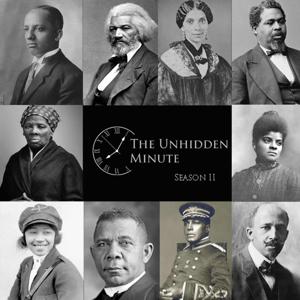


Josephine St. Pierre Ruffin (1842–1924) was a pioneering Black American journalist, suffragist, and civil rights leader who helped organize Black women into a national force for social change. Born in Boston to a prominent abolitionist family, Ruffin was educated in the United States and Europe and became deeply involved in the fight for both racial and gender equality.
In 1890, she founded The Woman’s Era, the first newspaper published by and for Black women, using it to address issues of voting rights, education, and racial injustice. Ruffin was a key organizer of the National Association of Colored Women (NACW) in 1896, helping unite Black women’s clubs across the country under the motto “Lifting as We Climb.”
She also challenged segregation within the women’s suffrage movement, insisting that Black women be fully included. Ruffin’s leadership and vision helped lay the foundation for generations of Black women activists advocating for justice and equality.
The Joy Trip Project celebrates the enduring legacy of Black American History. The Unhidden Minute is part of the Unhidden Podcast Project supported through a National Geographic Explorer Grant from the National Geographic Society, with the cooperation of the National Park Service. This series elevates the untold stories of Black American historical figures, events and cultural contributions.
#unhiddenblackhistory #NationalParkService #yourparkstory #NationalGeographic #unhiddenminute
Become a paid subscriber to the Unhidden Minute Podcast for one year and receive a copy of The Adventure Gap: Changing the Face of the Outdoors 10th Anniversary Edition by James Edward Mills.
The National Association of Colored Women (NACW) was founded in 1896 to unify Black women’s clubs across the United States in the fight for racial uplift, social reform, and women’s rights. Formed by leaders including Mary Church Terrell, Ida B. Wells, and Josephine St. Pierre Ruffin, the organization adopted the motto “Lifting as We Climb,” reflecting its mission to advance the entire Black community through education, activism, and mutual support.
The NACW addressed critical issues such as lynching, segregation, voter suppression, and access to education and healthcare, while also promoting economic independence and moral leadership. Members established schools, kindergartens, settlement houses, and programs for working women and children. At a time when Black women faced both racial and gender discrimination, the NACW created a powerful national network for advocacy and leadership.
As one of the largest and most influential Black women’s organizations of its era, the NACW laid essential groundwork for the modern Civil Rights and women’s movements.
The Joy Trip Project celebrates the enduring legacy of Black American History. The Unhidden Minute is part of the Unhidden Podcast Project supported through a National Geographic Explorer Grant from the National Geographic Society, with the cooperation of the National Park Service. This series elevates the untold stories of Black American historical figures, events and cultural contributions.
#unhiddenblackhistory #NationalParkService #yourparkstory #NationalGeographic #unhiddenminute
Become a paid subscriber to the Unhidden Minute Podcast for one year and receive a copy of The Adventure Gap: Changing the Face of the Outdoors 10th Anniversary Edition by James Edward Mills.
Coretta Scott King (1927–2006) was a leading Black American activist, author, and global advocate for civil and human rights. Born in Heiberger, Alabama, she studied music and education at Antioch College and the New England Conservatory before marrying Dr. Martin Luther King Jr. in 1953. Far more than the wife of a movement leader, Coretta Scott King was a strategist and organizer in her own right. She participated in the Montgomery Bus Boycott and later used her platform to speak internationally on peace, justice, and nonviolence.
After Dr. King’s assassination in 1968, she carried forward his legacy, founding the Martin Luther King Jr. Center for Nonviolent Social Change in Atlanta. She also successfully campaigned to establish Dr. King’s birthday as a federal holiday. Expanding her advocacy, King spoke out against poverty, apartheid, while fighting for women’s rights and equality. Her life’s work helped shape a broader vision of justice grounded in dignity, peace, and human rights.
The Joy Trip Project celebrates the enduring legacy of American History. The Unhidden Minute is part of the Unhidden Podcast Project supported through a National Geographic Explorer Grant from the National Geographic Society, with the cooperation of the National Park Service. This series elevates the untold stories of Black American historical figures, events and cultural contributions.
#unhiddenblackhistory #NationalParkService #yourparkstory #NationalGeographic #unhiddenminute
Become a paid subscriber to the Unhidden Minute Podcast for one year and receive a copy of The Adventure Gap: Changing the Face of the Outdoors 10th Anniversary Edition by James Edward Mills.
Mary Church Terrell (1863–1954) was a pioneering Black American educator, suffragist, and civil rights activist who dedicated her life to advancing racial and gender equality. Born in Memphis, Tennessee, to formerly enslaved parents who became successful entrepreneurs, Terrell benefited from educational opportunities rare for Black Americans in the 19th century. She earned both a bachelor’s and master’s degree from Oberlin College, becoming one of the first Black American women in the United States to receive a college degree.
Terrell was a founding member and the first president of the National Association of Colored Women in 1896, helping unite Black women’s clubs across the nation under the motto “Lifting as We Climb.” She also helped found the National Association for the Advancement of Colored People and advocated strongly for women’s suffrage. Even into her eighties, Terrell remained active in civil rights struggles, successfully challenging segregation in Washington, D.C. restaurants in the early 1950s. Her lifelong work helped lay the foundation for the modern civil rights movement.
The Joy Trip Project celebrates the enduring legacy of Black American History. The Unhidden Minute is part of the Unhidden Podcast Project supported through a National Geographic Explorer Grant from the National Geographic Society, with the cooperation of the National Park Service. This series elevates the untold stories of Black American historical figures, events and cultural contributions.
#unhiddenblackhistory #NationalParkService #yourparkstory #NationalGeographic #unhiddenminute
Become a paid subscriber to the Unhidden Minute Podcast for one year and receive a copy of The Adventure Gap: Changing the Face of the Outdoors 10th Anniversary Edition by James Edward Mills.
Diane Nash is a central figure in the modern Civil Rights Movement and one of its most disciplined strategists of nonviolent direct action. Born in Chicago in 1938, she became radicalized by the everyday reality of segregation while attending Fisk University in Nashville, Tennessee.
In 1960, Nash emerged as a leader of the Nashville sit-ins, confronting segregation at lunch counters with remarkable calm and moral clarity. When asked by a city official whether she believed it was wrong to break segregation laws, she replied that it was wrong to discriminate against someone based on race. Her composure helped desegregate Nashville’s downtown businesses—the first major Southern city to do so.
In 1961, after violent attacks threatened to end the Freedom Rides, Nash insisted they continue, coordinating students to carry the campaign forward. Later, she played a key role in the Selma voting rights movement, helping to lay the groundwork for the Voting Rights Act of 1965.
The Joy Trip Project celebrates the enduring legacy of Black American History. The Unhidden Minute is part of the Unhidden Podcast Project supported through a National Geographic Explorer Grant from the National Geographic Society, with the cooperation of the National Park Service. This series elevates the untold stories of Black American historical figures, events and cultural contributions.
#unhiddenblackhistory #NationalParkService #yourparkstory #NationalGeographic #unhiddenminute
Become a paid subscriber to the Unhidden Minute Podcast for one year and receive a copy The Adventure Gap: Changing the Face of the Outdoors 10th Anniversary Edition by James Edward Mills.
The National Association for the Advancement of Colored People (NAACP) was founded in 1909 in response to escalating racial violence and the rollback of Reconstruction-era rights. Organized by an interracial coalition that included W.E.B. Du Bois, Ida B. Wells, Mary White Ovington, and others, the NAACP sought to secure political, educational, social, and economic equality for Black Americans. From its earliest days, the organization used investigative journalism, public protest, and, most importantly, strategic litigation to challenge racial discrimination. Its Legal Defense Fund, led by attorneys such as Thurgood Marshall, successfully argued Brown v. Board of Education (1954), which ended legal school segregation. The NAACP also played a critical role in anti-lynching campaigns, voter registration drives, and the broader Civil Rights Movement of the 1950s and 1960s. With local chapters across the country, the organization continues today to advocate for voting rights, criminal justice reform, education equity, and economic opportunity, remaining one of the nation’s most enduring civil rights institutions.
The Joy Trip Project celebrates the enduring legacy of Black American History. The Unhidden Minute is part of the Unhidden Podcast Project supported through a National Geographic Explorer Grant from the National Geographic Society, with the cooperation of the National Park Service. This series elevates the untold stories of Black American historical figures, events and cultural contributions.
#unhiddenblackhistory #NationalParkService #yourparkstory #NationalGeographic #unhiddenminute
Become a paid subscriber to the Unhidden Minute Podcast for one year and receive a copy The Adventure Gap: Changing the Face of the Outdoors 10th Anniversary Edition by James Edward Mills.
The Children’s Crusade of 1963 was a pivotal moment in the Birmingham Civil Rights Campaign, when hundreds of Black American schoolchildren took to the streets to challenge segregation. Organized by the Southern Christian Leadership Conference (SCLC) and the Alabama Christian Movement for Human Rights, leaders including Dr. Martin Luther King Jr. and Rev. James Bevel encouraged young people to march after many adults had lost jobs or faced arrest. Beginning on May 2, thousands of students left their classrooms and gathered at the 16th Street Baptist Church, determined to demand desegregation. Public Safety Commissioner Eugene “Bull” Connor responded with mass arrests, police dogs, and high-pressure fire hoses. Images of children being knocked down by water cannons and attacked by dogs shocked the nation and drew global attention. The courage of these young protesters shifted public opinion and increased pressure on federal leaders, contributing directly to negotiations that desegregated Birmingham and helping build momentum toward passage of the Civil Rights Act of 1964.
The Joy Trip Project celebrates the enduring legacy of American History. The Unhidden Minute is part of the Unhidden Podcast Project supported through a National Geographic Explorer Grant from the National Geographic Society, with the cooperation of the National Park Service. This series elevates the untold stories of Black American historical figures, events and cultural contributions.
#unhiddenblackhistory #NationalParkService #yourparkstory #NationalGeographic #unhiddenminute
Become a paid subscriber to the Unhidden Minute Podcast for one year and receive a copy The Adventure Gap: Changing the Face of the Outdoors 10th Anniversary Edition by James Edward Mills.
Rev. Fred Shuttlesworth (1922–2011) was one of the most fearless leaders of the Civil Rights Movement. A Baptist minister in Birmingham, Alabama, he co-founded the Alabama Christian Movement for Human Rights in 1956 after the state outlawed the NAACP. From that moment, he became a relentless force against segregation in one of the most violently racist cities in the South. His home was bombed on Christmas night in 1956, yet he emerged determined, declaring that God had spared him to fight on. Shuttlesworth worked closely with Dr. Martin Luther King Jr. and helped bring the Southern Christian Leadership Conference to Birmingham in 1963, where protests—including the Children’s Crusade—exposed the brutality of segregation to the world. Beaten, jailed, and repeatedly threatened, he never backed down. His courage helped dismantle Jim Crow laws in public transportation, schools, and public facilities, making him a central architect of the movement’s victories and a symbol of unshakable moral conviction.
The Joy Trip Project celebrates the enduring legacy of American History. The Unhidden Minute is part of the Unhidden Podcast Project supported through a National Geographic Explorer Grant from the National Geographic Society, with the cooperation of the National Park Service. This series elevates the untold stories of Black American historical figures, events and cultural contributions.
#unhiddenblackhistory #NationalParkService #yourparkstory #NationalGeographic #unhiddenminute
Become a paid subscriber to the Unhidden Minute Podcast for one year and receive a copy The Adventure Gap: Changing the Face of the Outdoors 10th Anniversary Edition by James Edward Mills.
Cathay Williams (1844–1893) is remembered as the only documented woman to serve as a Buffalo Soldier, disguising herself as a man under the name William Cathay. Born enslaved in Missouri, Williams gained her freedom during the Civil War and later enlisted in 1866 with the U.S. Army’s 38th Infantry, one of the original Black regiments formed after emancipation.
For nearly two years, she endured harsh conditions on the western frontier. Like other Buffalo Soldiers, her work helped secure routes, protect settlements, and establish federal authority in landscapes that would later become part of America’s public lands and national parks.
Williams’ identity was discovered only after repeated illness led to a medical examination, resulting in her discharge. Her service remained largely forgotten for decades.
Cathay Williams challenges our assumptions about gender, race, and military history and reminds us that Black women were present, persistent, and courageous, even when history tried to render them invisible.
The Joy Trip Project celebrates the enduring legacy of Black American History. The Unhidden Minute is part of the Unhidden Podcast Project supported through a National Geographic Explorer Grant from the National Geographic Society, with the cooperation of the National Park Service. This series elevates the untold stories of Black American historical figures, events and cultural contributions.
#unhiddenblackhistory #NationalParkService #yourparkstory #NationalGeographic #unhiddenminute
Illustration by Nate Taylor
Become a paid subscriber to the Unhidden Minute Podcast for one year and receive a copy The Adventure Gap: Changing the Face of the Outdoors 10th Anniversary Edition by James Edward Mills.
The Battle of Bunker Hill, fought on June 17, 1775, was one of the first major engagements of the American Revolution, and Black American soldiers played a visible and courageous role. Among the most recognized was Peter Salem, a formerly enslaved man from Massachusetts who fought with colonial forces on Breed’s Hill. He is often credited with firing the shot that killed British Major John Pitcairn, a key officer leading the assault. Another Black patriot, Salem Poor, distinguished himself with such bravery that fellow soldiers formally praised his “gallant conduct” in a petition to the Massachusetts legislature.
Black men, both free and enslaved, served in integrated New England militia units, standing shoulder to shoulder with white soldiers. Though the British ultimately seized the hill, heavy losses proved the colonial forces could stand against the empire’s army. For Black Americans, participation in battles like Bunker Hill reflected a profound contradiction: fighting for liberty while many remained enslaved yet asserting their stake in the nation’s founding ideals of personal liberty.
The Joy Trip Project celebrates the enduring legacy of American History. The Unhidden Minute is part of the Unhidden Podcast Project supported through a National Geographic Explorer Grant from the National Geographic Society, with the cooperation of the National Park Service. This series elevates the untold stories of Black American historical figures, events and cultural contributions.
#unhiddenblackhistory #NationalParkService #yourparkstory #NationalGeographic #unhiddenminute
Become a paid subscriber to the Unhidden Minute Podcast for one year and receive a copy The Adventure Gap: Changing the Face of the Outdoors 10th Anniversary Edition by James Edward Mills.
From the publisher's feed