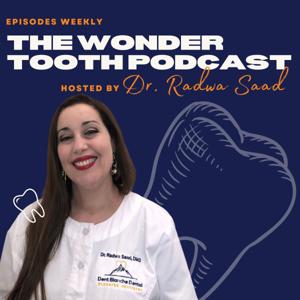
The Wonder Tooth Podcast

The Wonder Tooth Podcast

Download on the App Store

The Wonder Tooth Podcast episodes

  • Tongue-Tie Procedure: What All Parents must know
    4-Year-Old Dies During Tongue-Tie Procedure: What All Parents must know

    A routine dental procedure became national news after the tragic death of a 4-year-old child during a tongue-tie release. The incident has left parents asking difficult but important questions:

    • Are tongue-tie procedures safe?
    • What are the risks of anesthesia and sedation?
    • Who should perform these procedures?
    • How can parents know if treatment is truly necessary?
    • What questions should families ask before scheduling treatment?

    In this important episode of The Wonder Tooth Podcast, Dr. Radwa Saad is joined by Dr. Elisa Velasquez, a Board-Certified Pediatric Dentist and Past President of the American Academy of Pediatric Dentistry, for an evidence-based discussion about pediatric dental safety.

    Together, they explain:

    • What tongue-tie (ankyloglossia) is
    • When treatment is recommended
    • How pediatric dentists evaluate infants and children
    • Safety protocols before, during, and after surgery
    • The role of anesthesia and sedation
    • Warning signs parents should monitor after any procedure
    • How multidisciplinary care improves outcomes
    • Lessons the dental community can learn from this heartbreaking event

    This conversation is intended to educate—not speculate. While investigations into this case continue, our goal is to help families understand current standards of care and make informed healthcare decisions with qualified professionals.

    If you are a parent, healthcare provider, or dental professional, this episode offers valuable insight into pediatric dentistry, patient safety, and informed consent.

    Learn more about Pediatric Dentistry

    Listen now on:

    • Apple Podcasts

    • Spotify

    • Audible

    • Amazon Music

    • Pandora

    • iHeartRadio

    • YouTube

    Learn more at:

    https://dentblanchedental.com

    Read more episodes:

    https://blog.dentblanchedental.com

    Looking for top dentist in New Jersey and surrounding area, Give us a call today!

    Dent Blanche Dental

    3640 Lawrenceville Rd, Princeton, NJ, 08540,

    609-890-1888

    22 min
  • Smile Makeover Cost & What to Expect
    Smile Makeover Reality: What It Actually Costs and What to ExpectThinking About a Smile Makeover? Read This First.

    A beautiful smile can completely transform your confidence.

    But if you’ve searched online for a “smile makeover,” you’ve probably seen everything from:

    • “Perfect teeth in one day”
    • “Celebrity smile specials”
    • “Instant veneers”

    The reality is very different.

    A true Smile Makeover is a carefully planned combination of cosmetic and restorative treatments tailored specifically to your face, smile, bite, and long-term oral health.

    And understanding the process before starting is essential.

    At Dent Blanche Dental, we believe patients deserve transparency—not marketing hype.

    This guide explains:

    • What a smile makeover actually includes
    • Real costs explained line-by-line
    • What to expect during the process
    • How to avoid “Instagram dentistry” mistakes

    What Is a Smile Makeover?

    A smile makeover is not one treatment.

    It is a customized treatment plan designed to improve:

    • Tooth color
    • Tooth shape
    • Smile symmetry
    • Gum appearance
    • Bite function
    • Missing teeth

    Depending on your goals, your treatment may include:

    • Porcelain veneers
    • Crowns
    • Teeth whitening
    • Gum contouring
    • Clear aligners
    • Dental implants

    Every smile makeover is unique.

    Real Smile Makeover Case Study

    One of our patients came to Dent Blanche Dental unhappy with:

    • Worn front teeth
    • Yellow discoloration
    • Uneven gum line
    • Missing back tooth

    They wanted a smile that looked:

    • Younger
    • Natural
    • Healthy—not fake

    Step 1 — Digital Smile Design

    We began with:

    • 3D digital scans
    • Facial analysis
    • Smile simulation

    This allowed the patient to preview their future smile before treatment began.

    Step 2 — Whitening

    Professional whitening brightened the natural teeth first, allowing veneers to match a cleaner base shade.

    Step 3 — Gum Contouring

    The gum line was uneven, causing the smile to appear asymmetrical.

    Laser contouring reshaped the gums conservatively.

    Step 4 — Porcelain Veneers

    Dental Veneers

    Custom porcelain veneers restored:

    • Shape
    • Proportion
    • Brightness
    • Symmetry

    The key was preserving a natural appearance. Learn more about mistakes that can cause veneer regrets.

    Step 5 — Dental Implant

    Dental Implant

    A missing molar was replaced using guided implant surgery and a custom porcelain crown.

    Final Result

    The smile looked:

    • Bright—but natural
    • Refined—but not overdone
    • Youthful and balanced

    Most importantly, it functioned beautifully.

    The Real Cost of a Smile Makeover

    This is the question everyone asks.

    And the answer depends entirely on:

    • Complexity
    • Materials
    • Technology used
    • Experience of the dentist
    • Number of teeth involved

    Veneers CostPorcelain Veneers:
    • $1,500–$3,500 per tooth

    Typical cosmetic cases:

    • 6–10 veneers

    Estimated total:

    $9,000–$30,000+

    Dental Crowns Cost

    Dental Crown

    • $1,200–$2,500 per tooth

    Crowns are used when teeth require structural reinforcement.

    Teeth Whitening Cost
    • $400–$1,000

    Professional whitening produces dramatically better and safer results than over-the-counter kits.

    Gum Contouring Cost
    • $500–$3,000

    This often makes one of the biggest visual differences in a smile makeover.

    Dental Implants Cost
    • $3,000–$6,000 per tooth

    This includes:

    • Implant placement
    • Abutment
    • Final crown

    Total Smile Makeover Cost

    A complete smile makeover may range from:

    $10,000–$50,000+

    The final investment depends on your specific needs and goals.

    Why Some Smile Makeovers Look Fake

    This is one of the biggest patient fears.

    Why do some cosmetic results look unnatural?

    Because cosmetic dentistry is both:

    • Science
    • Art

    Poor cosmetic work often results in:

    • Teeth that are too white
    • Bulky restorations
    • Flat, opaque appearance
    • Poor proportions

    At Dent Blanche Dental, our goal is not “perfect teeth.”

    It’s a smile that fits your:

    • Face
    • Lips
    • Personality
    • Natural beauty

    What Social Media Doesn’t Tell You

    Social media often promotes “instant smile makeovers.”

    But real cosmetic dentistry requires:

    • Planning
    • Precision
    • Conservative preparation
    • Long-term thinking

    The best results are not rushed.

    Veneers vs Crowns

    Patients are often confused about the difference.

    Veneers
    • Cover the front surface only
    • More conservative
    • Primarily cosmetic

    Crowns
    • Cover the entire tooth
    • More structural
    • Require greater tooth reduction

    Understanding the difference is critical before treatment.

    What to Expect During the ProcessConsultation

    We evaluate:

    • Bite
    • Jaw function
    • Facial balance
    • Smile line
    • Gum health

    Digital Smile Planning

    Using advanced technology, we create a digital preview of your future smile.

    Trial Smile

    Patients can preview their smile before finalizing treatment.

    Preparation & Placement

    Treatment is completed carefully and conservatively.

    Protection

    Many patients receive custom night guards to protect their investment.

    Dental Night Guard

    Are You a Good Candidate?

    You may be a great candidate if you have:

    • Chipped teeth
    • Worn enamel
    • Discoloration
    • Gaps
    • Missing teeth

    However, some patients may need:

    • Orthodontics first
    • Gum treatment
    • Bite correction

    This is why a full evaluation matters.

    Why Patients Choose Dent Blanche Dental

    At Dent Blanche Dental, we combine:

    • Luxury experience
    • Digital dentistry
    • Artistic smile design
    • Same-day technology
    • Conservative cosmetic philosophy

    📍 Dent Blanche Dental

    3640 Lawrenceville Rd, Princeton, NJ, 08540

    950 Fifth Avenue, New York, NY, 10075

    🌐 https://dentblanchedental.com

    📞 609-890-1888

    Frequently Asked QuestionsHow long does a smile makeover last?

    With proper care, many restorations last 10–20 years or more.

    Does a smile makeover hurt?

    Most procedures are minimally invasive and very comfortable.

    Can I finance my smile makeover?

    Yes. Financing options are available.

    Are veneers permanent?

    Yes. Veneers are considered irreversible because enamel is reshaped.

    Final Thoughts

    A smile makeover can be life-changing.

    But the best cosmetic dentistry is not about trends.

    It’s about:

    • Function
    • Health
    • Longevity
    • Natural beauty

    Choose a dentist who prioritizes preserving your smile—not just changing it.

    29 min
  • I Regret My Veneers: What Nobody Tells You Before Getting Them
    I Regret My Veneers: What Nobody Tells You Before Getting Them
    Why So Many Patients Regret Veneers
    “I regret my veneers.” This is no longer rare—it’s trending across forums and patient discussions. Many people invest thousands into a smile makeover, only to feel disappointed months or years later. The problem isn’t veneers themselves—it’s poor planning, over-preparation, and wrong candidacy. Dental Veneers When done correctly, veneers are one of the most beautiful and natural-looking cosmetic solutions available. When done wrong… they can lead to long-term regret.
    What Veneers Actually Do to Your Natural Teeth
    Before you decide, you need to understand this clearly: Dental Veneers are not reversible. To place them, your dentist typically:
    • Removes a thin layer of enamel
    • Reshapes the front surface
    • Bonds porcelain permanently

    The Key Issue:
    If too much enamel is removed:
    • Teeth become sensitive
    • You lose natural strength
    • You are committed to restorations for life

    This is where most regret begins.
    The Biggest Reasons Patients Regret Veneers
    1. They Look Fake
    • Too white
    • Too bulky
    • Too uniform

    A beautiful smile should look natural—not obvious.
    2. Poor Bite Design
    If your bite is not properly balanced:
    • Veneers can chip or break
    • Jaw pain can develop
    • Long-term damage occurs

    3. Over-Preparation of Teeth
    Aggressive shaving leads to:
    • Sensitivity
    • Weak teeth
    • Dependence on crowns later

    4. Wrong Candidate Selection
    Not everyone needs veneers. Some patients could have achieved better results with:
    • Teeth Whitening
    • Bonding
    • Orthodontics

    Veneers vs Crowns: What You MUST Know
    Many patients don’t realize the difference between: Dental Crown
    Veneers:
    • Cover front surface only
    • Minimal reduction (when done properly)
    • Cosmetic-focused

    Crowns:
    • Dental crownsCover the entire tooth
    • Require significant shaping
    • Structural restoration

    ⚠️ The danger: Some “veneers” are actually full crowns in disguise. This dramatically changes the long-term outcome.
    The “Fake Smile” Problem Explained
    Why do some veneer smiles look unnatural? Because cosmetic dentistry is both science and art. Poorly designed veneers:
    • Ignore facial proportions
    • Lack translucency
    • Are overly opaque
    • Do not match lip dynamics

    At Dent Blanche Dental, we use:
    • Digital smile design
    • Facial analysis
    • Custom shading
    • Artistic layering

    The goal is not “perfect teeth.” It’s a natural, confident smile.
    Who Is Actually a Good Candidate for Veneers?
    Veneers are ideal if you have:
    • Severe discoloration
    • Chipped or worn teeth
    • Gaps between teeth
    • Minor misalignment

    But veneers may NOT be ideal if you:
    • Grind your teeth
    • Have healthy enamel with minor issues
    • Want a reversible option

    In these cases, conservative treatments are often better.
    Better Alternatives Most Dentists Don’t Emphasize
    Here’s the truth most patients never hear: You don’t always need veneers.
    Teeth Whitening
    Professional whitening can dramatically enhance your smile safely.
    Composite Bonding
    Fix chips and gaps with no enamel removal.
    Clear Aligners (SureSmile)
    Straighten teeth first—often eliminating the need for veneers.
    Conservative Smile Makeover
    Smile Makeover A combination of treatments that preserves your natural teeth while enhancing aesthetics.
    Real Patient Story: From Regret to Confidence
    A patient came to us unhappy with their veneers:
    • Bulky appearance
    • Artificial color
    • Bite discomfort

    We performed:
    • Digital smile redesign
    • Conservative veneer replacement
    • Bite correction

    Results:
    • Natural appearance restored
    • Jaw comfort improved
    • Confidence regained

    Because great dentistry is not about replacing teeth… It’s about enhancing what you already have.
    Long-Term Risks of Poor Veneers
    If done incorrectly, veneers can lead to:
    • Chronic sensitivity
    • Gum recession
    • Repeated replacements
    • Expensivefull-mouth reconstruction

    This is why choosing the right dentist is everything.
    Why Patients Trust Dent Blanche Dental
    At Dent Blanche Dental, we specialize in:
    • Ultra-natural cosmetic dentistry
    • Digital smile design
    • Same-day porcelain restorations
    • Conservative techniques

    📍 Princeton, NJ & Fifth Avenue, NYC 🌐 https://dentblanchedental.com 📞 609-890-1888
    Frequently Asked Questions
    Do veneers ruin your natural teeth?
    Not when done conservatively by an expert. Over-preparation causes damage.
    How long do veneers last?
    Typically 10–15 years with proper care.
    Can veneers be reversed?
    No. Once enamel is removed, veneers are permanent.
    Are there better alternatives?
    Yes—whitening, bonding, and aligners are often excellent options.
    Final Thoughts
    Veneers can be life-changing… But only when done correctly. The biggest mistake patients make is rushing into treatment without understanding the long-term impact. Take your time. Ask questions. Choose expertise.
    31 min
  • Grinding Teeth at Night: 10-Year Jaw Damage
    Grinding Teeth at Night: 10-Year Jaw Damage You Can’t Ignore
    What Happens If You Grind Your Teeth at Night?
    Grinding your teeth at night—known as Bruxism—is one of the most destructive habits affecting your oral health today.
    Most patients don’t even realize they’re doing it… until the damage is advanced.
    If left untreated, nighttime grinding can permanently affect:
    • Your teeth
    • Your jaw joints
    • Your facial structure
    • Your overall health

    And over a 10-year period, the consequences can be severe, expensive, and sometimes irreversible.
    The Hidden Force Behind Teeth Grinding
    When you sleep, your body should be resting.
    But in patients with bruxism, the jaw becomes highly active—generating forces far beyond normal chewing.
    These forces:
    • Wear down enamel
    • Crack teeth
    • Stress the jaw joints
    • Trigger muscle inflammation

    Over time, this leads to a breakdown of your entire oral system.
    The 10-Year Timeline of Teeth Grinding Damage
    Years 1–2: Early Warning Signs
    • Mild tooth sensitivity
    • Occasional jaw soreness
    • Morning headaches

    At this stage, damage is subtle—but already beginning.
    Years 3–5: Structural Changes Begin
    • Flattened teeth
    • Small enamel cracks
    • Jaw clicking or popping

    Patients often ignore these signs… which allows progression.
    Years 5–7: Noticeable Damage
    • Teeth appear shorter
    • Increased sensitivity
    • Gum recession
    • Jaw discomfort becomes frequent

    Now your smile begins to visibly change.
    Years 7–10: Severe Breakdown
    • Tooth fractures
    • Failed crowns and fillings
    • Chronic TMJ pain
    • Facial shape changes

    At this stage, treatment becomes complex and costly.
    How Grinding Affects Your Jaw (TMJ)
    Your jaw joint—called the Temporomandibular Joint—is one of the most delicate joints in your body.
    When you grind your teeth:
    • The joint becomes compressed
    • Cartilage can wear down
    • Inflammation builds

    Common TMJ Symptoms:
    • Clicking or popping sounds
    • Jaw locking
    • Ear pain or pressure
    • Chronic headaches
    • Neck tension

    If untreated, this can evolve into long-term TMJ disorder.
    Signs You Are Grinding Your Teeth
    Many patients are shocked when we diagnose them.
    Here are the most common signs:
    • Flattened or worn teeth
    • Cracked enamel
    • Tooth sensitivity
    • Tight jaw muscles
    • Scalloped tongue
    • Gum recession

    If you notice even one of these, it’s time for an evaluation.
    Why a Night Guard Is Critical
    A custom Dental Night Guard is the first line of defense.
    Benefits of a Custom Night Guard:
    • Protects enamel from wear
    • Absorbs grinding forces
    • Reduces jaw pressure
    • Prevents fractures
    • Preserves dental work

    Important:
    Over-the-counter guards can actually worsen your bite and increase grinding.
    At Dent Blanche Dental, we use digital scanning technology to create precise, comfortable guards tailored to your bite.
    Advanced Bruxism Treatment Options
    Bruxism is not just a dental issue—it’s multifactorial.
    That’s why we take a comprehensive approach:
    1. Custom Night Guards
    Precision-designed for protection and comfort
    2. Bite Adjustment
    Correcting uneven pressure points
    3. Botox for Jaw Muscles
    Relaxes overactive muscles and reduces grinding intensity
    4. Orthodontic Alignment
    Using clear aligners like SureSmile to correct bite issues
    5. Stress Management
    Addressing underlying triggers
    Real Patient Transformation
    One of our patients came in with:
    • Severe tooth wear
    • Chronic jaw pain
    • Repeated crown fractures

    We performed:
    • Full digital smile design
    • Bite reconstruction
    • Custom restorations
    • Night guard protection

    Results:
    • Pain eliminated
    • Teeth restored
    • Facial balance improved
    • Confidence regained

    This is what happens when you treat the cause—not just the symptoms.
    Long-Term Risks of Ignoring Teeth Grinding
    If untreated, bruxism can lead to:
    • Tooth loss
    • Gum recession
    • TMJ disorder
    • Expensivefull-mouth reconstruction
    • Facial aging and collapse

    Early intervention is always simpler—and more affordable.
    Why Choose Dent Blanche Dental?
    At Dent Blanche Dental, we provide elevated dentistry using:
    • Digital scanning & CAD/CAM technology
    • Same-day restorations
    • Customized treatment plans
    • Luxury, spa-like environment

    📍 Princeton, NJ & Fifth Avenue, NYC
    🌐 https://dentblanchedental.com
    📞 609-890-1888
    Frequently Asked Questions
    Is teeth grinding dangerous?
    Yes. Over time, it can cause permanent damage to teeth and jaw joints.
    Can grinding change my face?
    Yes. Chronic grinding can enlarge jaw muscles and alter facial shape.
    Do I need a night guard?
    If you grind your teeth—even mildly—a custom night guard is essential.
    Can TMJ go away on its own?
    Sometimes symptoms improve, but underlying damage often progresses without treatment.
    Final Thoughts
    Grinding your teeth at night is not harmless.
    It’s a silent, progressive condition that can reshape your smile, damage your jaw, and impact your quality of life.
    The earlier you act… the better your outcome.
    38 min
  • Why Are Front Teeth Fracturing? The Hidden Link to Sleep Apnea
    Front Tooth Fracture and Sleep Apnea: The Hidden Connection | The Wonder Tooth Podcast

    Most people never imagine that a fractured front tooth could be connected to sleep apnea.

    When patients break or chip front teeth, they often assume the cause was simple trauma, biting something hard, or an accident. While trauma certainly plays a role in many cases, there is another hidden factor that many people overlook:

    Sleep-disordered breathing and nighttime grinding.

    The connection between sleep apnea, clenching, grinding, and tooth fractures is becoming increasingly important in modern dentistry. Many patients damage teeth during sleep without even realizing it.

    A fractured front tooth may sometimes be more than a cosmetic problem. It may be a warning sign.

    In this episode of The Wonder Tooth Podcast, Dr. Radwa Saad explains the surprising relationship between front tooth fractures and sleep apnea, how nighttime grinding affects oral health, and what patients should know before damage becomes more severe.

    Watch the full episode here:

    https://youtu.be/Ujux7Z3TFX4

    Read the episode:

    https://blog.dentblanchedental.com/episodes/front-tooth-fracture-sleep-apnea/

    Listen on Apple Podcasts, Spotify, iHeartRadio, Audible, Pandora, and all major podcast platforms.

    Subscribe to The Wonder Tooth Podcast for weekly educational episodes designed to help patients understand the powerful connection between oral health, sleep, and overall wellness.

    Why Front Teeth Fracture

    Front teeth experience tremendous stress over time.

    Several factors may increase fracture risk.

    Common causes include:

    • Trauma
    • Sports injuries
    • Falls
    • Biting hard objects
    • Teeth grinding
    • Bite imbalance
    • Weakened enamel
    • Sleep-related clenching

    Sometimes fractures happen suddenly.

    Other times, damage develops gradually over years.

    What Is Sleep Apnea?

    Sleep apnea is a condition involving repeated interruptions in breathing during sleep.

    These interruptions may reduce oxygen levels and disturb normal sleep cycles.

    Common symptoms may include:

    • Loud snoring
    • Daytime fatigue
    • Morning headaches
    • Dry mouth
    • Poor sleep quality
    • Teeth grinding
    • Jaw tension

    Many patients remain undiagnosed for years.

    Learn more:

    Sleep Apnea Treatment Information

    The Link Between Sleep Apnea and Teeth Grinding

    Research continues exploring the relationship between airway issues and grinding habits.

    Some patients unconsciously clench or grind during sleep as the body responds to breathing disturbances.

    This pressure may create:

    • Tooth wear
    • Fractures
    • Chipped teeth
    • Jaw pain
    • Headaches
    • Bite problems

    Front teeth often absorb tremendous force.

    Why Front Teeth Become Vulnerable

    Front teeth are thinner than back teeth.

    Repeated grinding pressure may weaken enamel over time.

    Patients may notice:

    • Chipping
    • Cracks
    • Shortened teeth
    • Sensitivity
    • Sudden fractures

    The damage may happen slowly until one day the tooth suddenly breaks.

    Signs You May Be Grinding Your Teeth at Night

    Many people grind without realizing it.

    Warning signs may include:

    • Morning jaw soreness
    • Headaches
    • Tooth wear
    • Cracked teeth
    • Tooth sensitivity
    • Tight jaw muscles
    • Sleep disruption

    Learn more:

    Teeth Grinding Information

    Why Tooth Fractures Should Never Be Ignored

    Even small fractures may worsen over time.

    Untreated cracks may lead to:

    • Larger fractures
    • Sensitivity
    • Infection
    • Root canal treatment
    • Tooth loss

    Early treatment often creates better outcomes.

    Schedule an evaluation:

    Request an Appointment

    Modern Dentistry Offers Several Treatment Options

    Treatment depends on fracture severity.

    Possible options may include:

    Dental bonding

    Small chips may receive cosmetic repair.

    Porcelain veneers

    Veneers may restore aesthetics and strength.

    Learn more:

    Porcelain Veneers Information

    Dental crowns

    Larger fractures sometimes require crowns.

    Learn more:

    Same-Day Dental Crowns Information

    Root canal treatment

    Deep fractures affecting nerves may require treatment.

    Dental implants

    Severely damaged teeth may occasionally need replacement.

    Learn more:

    Dental Implant Information

    Digital Dentistry Improves Diagnosis and Treatment

    Modern technology helps dentists evaluate fractures more accurately.

    Advanced tools may include:

    • Digital X-rays
    • 3D CBCT imaging
    • Digital scanning
    • Bite analysis
    • Smile design technology

    Technology improves precision and treatment planning.

    Dent Blanche Dental combines advanced digital dentistry with elevated patient-centered care.

    Learn more:

    Dent Blanche Dental Official Website

    Can Night Guards Help?

    For some patients, night guards may help reduce grinding-related damage.

    Custom appliances may help:

    • Protect teeth
    • Reduce pressure
    • Limit wear
    • Improve comfort

    Treatment recommendations vary based on individual diagnosis.

    Why Sleep Quality Matters for Oral Health

    Sleep affects more than energy levels.

    Poor sleep quality may contribute to:

    • Teeth grinding
    • Dry mouth
    • Inflammation
    • Jaw tension
    • Fatigue

    Oral health and overall wellness remain deeply connected.

    Frequently Asked QuestionsCan sleep apnea cause tooth fractures?

    Sleep-related grinding associated with airway issues may contribute to fractures.

    Why did my front tooth suddenly crack?

    Teeth often weaken gradually before fractures become visible.

    Is teeth grinding dangerous?

    Grinding may damage teeth, restorations, and jaw structures over time.

    Can fractured teeth be saved?

    Many fractured teeth remain treatable depending on severity.

    Can dentists help identify sleep apnea?

    Dentists may recognize oral signs associated with sleep-disordered breathing.

    Final Thoughts

    A fractured front tooth may be more than an isolated dental problem.

    Sometimes it reveals deeper issues involving sleep, grinding, and airway health.

    Modern dentistry now focuses not only on repairing teeth, but also on understanding why damage happens in the first place.

    Early diagnosis and personalized treatment can help preserve your smile and protect your long-term health.

    If you have cracked teeth, grinding symptoms, or concerns about sleep apnea, schedule a consultation.

    Schedule Your Appointment Today

    Dent Blanche Dental proudly serves Princeton, NJ and Fifth Avenue NYC with advanced digital dentistry, airway-focused care, and elevated patient-centered treatment.

    Support The Wonder Tooth Podcast

    If you enjoy The Wonder Tooth Podcast, please support our mission to educate patients around the world about oral health, wellness, sleep apnea, cosmetic dentistry, and modern dental innovations.

    Your support helps us continue creating educational episodes for YouTube, Apple Podcasts, Spotify, Audible, Pandora, and iHeartRadio.

    Please:

    • Subscribe to the podcast
    • Leave a 5-star review
    • Share episodes with family and friends
    • Follow our YouTube channel
    • Support patient education by spreading awareness

    Every share, review, comment, and subscription helps us grow and continue producing valuable educational content.

    Experiencing cracked teeth, front tooth fractures, grinding, jaw pain, snoring, or sleep apnea symptoms?

    Do not wait until the damage becomes more serious.

    Schedule your comprehensive consultation today with Dr. Radwa Saad and the team at Dent Blanche Dental.

    Request Your Appointment

    Discover advanced digital dentistry, personalized treatment planning, cosmetic smile restoration, and airway-focused care in Princeton, NJ and Fifth Avenue NYC.

    Like, Share, Follow and Subscribe

    Enjoyed this episode of The Wonder Tooth Podcast?

    Please Like, Share, Follow, and Subscribe on YouTube, Apple Podcasts, Spotify, Audible, Pandora, and iHeartRadio.

    Help us educate more patients and break myths surrounding sleep apnea, grinding, and dental fractures.

    Need a consultation?

    Request an Appointment at Dent Blanche Dental

    Call: (609) 890-1888

    Front Tooth Fractures and Sleep Apnea: The Hidden Dental Damage

    Front tooth fractures can be caused by sleep apnea and teeth grinding (bruxism), not just trauma. When breathing is disrupted during sleep, the body responds by clenching and grinding, placing excessive force on the front teeth. Over time, this pressure weakens enamel, creates microcracks, and can lead to chipped or fractured teeth. Identifying and treating sleep apnea early can prevent further dental damage and protect your smile. Front tooth fractures are often dismissed as accidents—but what if the real cause is happening while you sleep? In this episode of The Wonder Tooth Podcast, Dr. Grace Simco, board-certified orthodontist and Assistant Professor at Case Western Reserve University School of Dental Medicine, reveals the powerful connection between sleep apnea, teeth grinding (bruxism), and unexpected front tooth fractures.

    Why Front Teeth Are Fracturing Without Trauma

    Many patients experience chipped or fractured teeth without injury. The underlying cause is often sleep-disordered breathing, which creates excessive pressure on the teeth during the night. This repeated stress can lead to:

    • Cracked or chipped front teeth
    • Enamel wear and structural weakening
    • Bite instability
    • Jaw tension and TMJ discomfort

    The Link Between Sleep Apnea and Teeth Grinding

    Sleep apnea reduces oxygen levels and disrupts deep sleep. In response, the body activates muscles—including those responsible for clenching and grinding teeth. Over time, this can:

    • Place extreme force on front teeth
    • Cause microfractures that worsen over time
    • Lead to visible chipping or full fractures

    Warning Signs You Should Never Ignore

    You may be at risk if you notice:

    • Chipped or worn front teeth
    • Morning jaw soreness or headaches
    • Teeth sensitivity
    • Poor sleep quality or fatigue

    Treatment Options to Protect Your Smile

    Early diagnosis is key. Treatment may include:

    • Custom nightguards
    • Airway-focused dental therapy
    • Orthodontic and bite correction
    • Sleep apnea management solutions

    Take Action Before Damage Worsens

    If you are experiencing tooth fractures or grinding, don’t ignore the signs. Contact Dr. Grace Simco: https://www.gracesbraces.com/ https://www.drgraceorthodontics.com/ 👉 Schedule your consultation today: https://dentblanchedental.com 📞 Call: 609-890-1888

    🎧 Listen & Follow:

    Available on Apple Podcasts, Spotify, iHeartRadio, Audible If you found this video helpful, please give it a thumbs up, subscribe to my channel, and hit the notification bell for more dental tips and advice. Schedule an appointment today 👉 https://dentblanchedental.com

    Dent Blanche Dental

    3640 Lawrenceville Rd, Princeton, NJ, 08540

    950 Fifth Ave, Manhattan, NYC, New York, 10075

    www.DentBlancheDental.com

    Office# 609-890-1888

    15 min
  • The Hidden Reason Kids Can’t Focus at School may not be what you think.
    The Hidden Reason Kids Can't Focus at School:Sleep Apnea, Teeth Grinding & Misdiagnosed ADHD

    Is your child struggling to focus in school, showing signs of ADHD, grinding their teeth at night, or becoming easily agitated?

    In this powerful episode of The Wonder Tooth Podcast, Dr. Radwa Saad sits down with Dr. Grace Simco to uncover the hidden reason kids can’t focus at school—and why many children are misdiagnosed with ADHD when the real issue is sleep apnea and sleep-disordered breathing.

    Poor sleep quality can affect your child’s brain, behavior, mood, and academic performance. Identifying the root cause early can change your child’s future.

    Why Kids Struggle to Focus in School

    Many children experience focus issues in school. Parents often assume ADHD or behavioral problems. However, the underlying cause may be sleep deprivation and disrupted breathing at night.

    When children do not reach deep, restorative sleep, their ability to concentrate, learn, and regulate emotions suffers.

    The Link Between Sleep Apnea and ADHD in Children

    Sleep apnea in children often mimics ADHD symptoms. These include:

    • Hyperactivity
    • Short attention span
    • Impulsivity
    • Poor school performance

    Instead of appearing tired, many children become overactive and agitated. This leads to frequent misdiagnosis.

    Understanding the connection between child sleep apnea and ADHD symptoms is critical for proper treatment.

    Teeth Grinding (Bruxism) as a Warning Sign

    Teeth grinding in children, also known as bruxism, is one of the most overlooked warning signs.

    Children grind their teeth when their airway is compromised during sleep. The body attempts to reopen the airway by activating jaw muscles.

    If your child grinds their teeth at night, it may signal:

    • Airway obstruction
    • Poor oxygen flow
    • Sleep-disordered breathing

    How Poor Sleep Impacts Behavior, Mood, and Academic Performance

    Sleep plays a vital role in brain development. When sleep is disrupted, children may experience:

    • Difficulty focusing in school
    • Memory and learning challenges
    • Mood swings and irritability
    • Anxiety and behavioral issues

    Lack of oxygen during sleep can directly impact cognitive function and emotional regulation.

    Signs Your Child May Have Sleep-Disordered Breathing

    Parents should watch for these key symptoms:

    • Mouth breathing
    • Snoring or noisy sleep
    • Teeth grinding (bruxism)
    • Daytime fatigue or hyperactivity
    • Difficulty focusing in school
    • Poor academic performance
    • Agitation or behavioral issues

    Early detection is essential.

    Treatment Options That Can Transform Your Child’s Life

    Modern dentistry offers advanced solutions for children with sleep apnea, including:

    • Airway-focused dental treatments
    • Oral appliances
    • Growth and development guidance
    • Collaboration with sleep specialists

    These treatments can improve:

    • Sleep quality
    • Focus and attention
    • Behavior and mood
    • Academic performance

    When to Seek Help from a Pediatric Dental Expert

    If your child shows signs of sleep-disordered breathing or ADHD-like symptoms, do not wait.

    Early diagnosis can prevent long-term health and developmental issues.

    A comprehensive evaluation can identify the root cause and guide proper treatment.

    Connect with Dr. Grace Simco:

    Orthodontist in Levittown |Grace's Braces

    Airway Orthodontist in Bucks County, PA | Dr. Grace Orthodontics

    Schedule a Consultation for Your Child Today

    Take action now to improve your child’s health and future.

    👉 Schedule an evaluation:

    https://dentblanchedental.com

    📞 Call: 609-890-1888

    If you found this video helpful, please give it a thumbs up, subscribe to my channel, and hit the notification bell for more dental tips and advice.

    Schedule an appointment today

    👉 https://dentblanchedental.com

    ✅ Follow Me on Instagram:

    👉 https://www.instagram.com/radwasaad_dmd/

    Dent Blanche Dental

    3640 Lawrenceville Rd, Princeton, NJ, 08540

    950 Fifth Ave, Manhattan, NYC, New York, 10075

    www.DentBlancheDental.com

    Office# 609-890-1888

    #TheWonderToothPodcast #ChildSleepApnea #ADHDinKids #KidsHealth #ParentingTips #Bruxism #SleepDisorders #AirwayDentistry #FocusInSchool

    27 min
  • Chronic Inflammation Starts Where You Think It Doesn’t
    The Oral–Systemic Link: How Oxidative Stress and Inflammation Affect Your Teeth and Overall Health

    Understanding the Connection Between Oral Health and Whole-Body Health

    In this powerful episode of The Wonder Tooth Podcast, Dr. Radwa Saad explores the science behind the oral-systemic link—the connection between oral health and overall health.

    Many people struggle with chronic conditions such as gum disease, diabetes, cardiovascular disease, or unexplained inflammation. Increasingly, research suggests that oxidative stress and chronic inflammation may play a major role in these conditions.

    In this episode, Dr. Saad speaks with biotechnology entrepreneur François Vix about emerging research on antioxidant defenses and how oxidative stress may affect:

    • Gum disease andperiodontal inflammation
    • Cardiovascular health and arterial plaque
    • Diabetes and metabolic syndrome
    • Skin conditions and immune function
    • Aging and tissue regeneration

    Understanding these mechanisms can help patients better appreciate why oral health is a key part of overall wellness and preventive medicine.

    What Is Oxidative Stress?

    Oxidative stress occurs when the body produces more free radicals than its antioxidant systems can neutralize. Over time, this imbalance can damage cells, accelerate aging, and contribute to chronic disease.

    Common sources of oxidative stress include:

    • Chronic inflammation
    • Environmental toxins
    • Poor diet and lifestyle
    • UV radiation
    • Metabolic disorders

    Research suggests oxidative stress may contribute to diseases such as heart disease, diabetes, autoimmune disorders, and periodontal disease.

    How Inflammation Impacts Oral and Systemic Health

    Inflammation is the body’s natural defense system, but chronic inflammation can damage tissues throughout the body.

    In dentistry, long-term gum inflammation may:

    • Destroy bone supporting teeth
    • Allow oral bacteria to enter the bloodstream
    • Increase systemic inflammatory burden

    Studies increasingly suggest a connection between periodontal inflammation and conditions such as cardiovascular disease and diabetes.

    Preventive dental care therefore plays an important role not only in protecting teeth but also in supporting overall health.

    Why the Oral–Systemic Link Matters

    The concept of the oral-systemic link emphasizes that oral health is not isolated from the rest of the body.

    Maintaining healthy gums and teeth may help:

    • Reduce systemic inflammation
    • Improve metabolic health
    • Support immune balance
    • Protect cardiovascular health

    This integrated approach to healthcare is becoming increasingly important in modern preventive dentistry.

    Key Insights From This Episode

    • Chronic inflammation may contribute to many diseases

    • Oxidative stress damages tissues and accelerates aging

    • Gum disease may increase systemic inflammatory burden

    • Antioxidant defenses play an important role in immune health

    • Preventive dentistry is essential for long-term wellness

    Learn more about Glisodin:

    • Website:glisodin.com
    • IG:@glisodinskin
    • Amazon:GliSODin Skin Nutrients Store

    If you found this video helpful, please give it a thumbs up, subscribe to my channel, and hit the notification bell for more dental tips and advice.

    Schedule an appointment today

    👉 https://dentblanchedental.com

    Dent Blanche Dental

    3640 Lawrenceville Rd, Princeton, NJ, 08540

    950 Fifth Ave, Manhattan, NYC, New York, 10075

    www.DentBlancheDental.com

    Office# 609-890-1888

    13 min
  • The One Inflammation Marker Connecting Your Mouth to Disease
    The Oral–Systemic Link Revealed: How Oxidative Stress and Inflammation Affect Your Teeth, Skin, and Overall Health

    The oral-systemic link refers to the scientific connection between oral health and overall body health. Chronic gum inflammation can increase systemic inflammation and oxidative stress, which are associated with conditions such as cardiovascular disease, diabetes, and immune dysfunction. Modern dentistry increasingly focuses on preventive strategies that reduce inflammation and support whole-body health.

    Why Chronic Inflammation and Oxidative Stress Matter for Your Health

    In this powerful episode of The Wonder Tooth Podcast, cosmetic dentist Dr. Radwa Saad explores the deep connection between oral health, systemic inflammation, and chronic disease with special guest François Vix, founder of the French biotechnology company Isocell.

    The conversation uncovers how oxidative stress—an imbalance between free radicals and antioxidants in the body—can contribute to many health conditions, including:

    • Gum disease (periodontitis)
    • Diabetes
    • Cardiovascular disease
    • Atherosclerosis
    • Skin aging
    • Immune system imbalance

    This episode explains how reducing oxidative stress may help support better oral health, healthier skin, improved immune function, and long-term disease prevention.

    The Science Behind Superoxide Dismutase (SOD)

    François Vix shares the scientific background behind SOD (superoxide dismutase)—a powerful antioxidant enzyme researched for its potential to help the body combat oxidative stress.

    Research discussed in the episode includes:

    • Clinical studies onmetabolic syndrome and inflammation
    • Research oncardiovascular plaque stabilization
    • Studies onskin conditions such as vitiligo and melasma
    • Potential applications inimmune health and dermatology

    Over 40 scientific publications worldwide have explored the impact of SOD-based technologies on inflammation and oxidative stress pathways.

    How Oral Health Connects to Whole-Body Health

    Dr. Saad explains the oral-systemic link, a concept widely recognized in modern dentistry.

    Chronic gum inflammation may be associated with conditions such as:

    • Heart disease
    • Diabetes
    • Stroke risk
    • Systemic inflammatory disorders

    When inflammation persists in the body, oxidative stress increases, creating a cycle that can worsen both oral disease and systemic disease.

    Understanding and addressing these biological mechanisms may help patients improve both oral and overall health outcomes.

    Can Antioxidant Support Improve Skin and Immune Health?

    The episode also explores how antioxidant support may assist with:

    • Skin clarity and texture
    • Photo-protection against sun damage
    • Immune system regulation
    • Skin conditions like melasma and vitiligo

    While supplements cannot replace medical treatments, emerging research suggests they may serve as supportive therapies alongside medical or dermatologic care.

    Key Takeaways from This Episode

    Listeners will learn:

    • What oxidative stress is and how it affects the body

    • The connection between oral health and systemic inflammation

    • How antioxidants support immune defense

    • Why gum disease may signal broader health issues

    • The role of lifestyle, nutrition, and dental care in reducing inflammation

    Learn more about Glisodin:

    • Website:glisodin.com
    • IG:@glisodinskin
    • Amazon:GliSODin Skin Nutrients Store

    👉 Learn more or schedule a consultation:

    🔗 https://dentblanchedental.com/

    📅Schedule your appointment today here

    We’re thrilled to bring you the latest innovations and help you understand how dentistry is evolving. So tune in to *The Wonder Tooth Podcast* for this full episode, where Dr. Saad answers your questions, shares real-life stories, and explains how we can help you achieve a perfect smile—on the same day!

    Stay tuned for more insights, and remember, your dream smile is closer than you think!

    Subscribe for More:

    Don’t miss out on future episodes of *The Wonder Tooth*! Subscribe, hit the notification bell, and drop a comment below to let us know how often you change your toothbrush. Dr. Saad might feature your question in an upcoming episode!

    Make sure to tune in to this eye-opening episode, and remember, great oral health starts with the right information. We're here to help you smile with confidence!

    If you found this video helpful, please give it a thumbs up, subscribe to my channel, and hit the notification bell for more dental tips and advice.

    Schedule an appointment today

    👉 https://dentblanchedental.com

    Dent Blanche Dental

    3640 Lawrenceville Rd, Princeton, NJ, 08540

    950 Fiftrh Ave, Manhattan, NYC, New York, 10075

    www.DentBlancheDental.com

    Office# 609-890-1888

    30 min
  • Dental Implants & Bone Grafting: How to Maintain Implants Long-Term
    Dental Implants and Bone Grafting: Why Bone Matters More Than You Think | The Wonder Tooth Podcast

    Many patients become excited about dental implants until they hear two unexpected words during their consultation:

    “Bone grafting.”

    For some people, that phrase sounds intimidating or confusing. Patients often wonder:

    Why do I need a bone graft? Does this mean I cannot get implants? Is bone loss serious?

    The truth is that bone plays a critical role in dental implant success. Healthy jawbone provides the support implants need for long-term stability and function. When bone volume becomes limited, modern dentistry often offers solutions that help rebuild and strengthen the area.

    Bone grafting has transformed implant dentistry and expanded treatment possibilities for many patients who once had limited options.

    In this episode of The Wonder Tooth Podcast, Dr. Radwa Saad explains the connection between dental implants and bone grafting, why bone loss happens, and how advanced technology helps restore smiles with precision and confidence.

    Watch the full episode here:

    https://youtu.be/15VNc79sisA

    Read the episode:

    https://blog.dentblanchedental.com/episodes/dental-implants-bone-graft/

    Listen on Apple Podcasts, Spotify, iHeartRadio, Audible, Pandora, and all major podcast platforms.

    Subscribe to The Wonder Tooth Podcast for weekly educational episodes designed to help patients understand modern implant dentistry and advanced smile restoration.

    Why Bone Matters for Dental Implants

    Dental implants function as artificial tooth roots.

    For implants to remain stable, they require strong surrounding bone support.

    Healthy bone helps support:

    • Implant stability
    • Chewing function
    • Long-term integration
    • Smile aesthetics
    • Structural support

    Without adequate bone, implant placement may become more challenging.

    Why Bone Loss Happens After Tooth Loss

    Many patients do not realize how quickly bone changes can occur after losing teeth.

    Teeth naturally stimulate the jawbone during chewing.

    When a tooth disappears:

    • Stimulation decreases
    • Bone begins shrinking
    • Jaw structure gradually changes

    Bone loss may continue over time if missing teeth remain untreated.

    Other Causes of Bone Loss

    Several factors may affect jawbone volume.

    Examples include:

    • Gum disease
    • Long-term missing teeth
    • Tooth infections
    • Trauma
    • Denture use
    • Smoking
    • Chronic inflammation

    Healthy bone remains essential for oral health and implant planning.

    Learn more:

    Dental Implant Information

    What Is Bone Grafting?

    Bone grafting is a procedure designed to help rebuild or preserve bone volume.

    Bone grafting may help support:

    • Future implants
    • Bone preservation
    • Structural support
    • Treatment stability

    The procedure encourages the body to develop additional bone in the area.

    When Bone Grafting May Be Recommended

    Not every implant patient requires grafting.

    However, bone grafting may become beneficial after:

    Tooth extraction

    Preserving bone early may help future implant planning.

    Long-term tooth loss

    Bone may shrink over time.

    Advanced gum disease

    Periodontal disease sometimes damages supporting bone.

    Trauma or infection

    Injuries and infections may affect jaw structure.

    Bone Grafting and Tooth Extractions

    Many patients lose bone shortly after extractions.

    In some situations, grafting may help preserve the socket area.

    This process may support:

    • Future implant placement
    • Jaw contours
    • Bone stability

    Early planning matters.

    Does Bone Grafting Hurt?

    This remains one of the most common questions.

    Modern dentistry focuses heavily on patient comfort.

    Experiences vary individually, but many patients report manageable recovery with proper care and guidance.

    Advanced technology and careful planning continue improving treatment experiences.

    Technology Improves Implant and Bone Grafting Planning

    Modern dentistry increasingly relies on digital technology.

    Advanced tools may include:

    • 3D CBCT imaging
    • Digital scanning
    • Guided surgery
    • Digital treatment planning
    • Bone analysis software

    Technology improves visualization and precision.

    Dent Blanche Dental combines advanced digital dentistry with elevated patient-centered care.

    Learn more:

    Dent Blanche Dental Official Website

    Why 3D CBCT Imaging Matters

    Three-dimensional imaging allows dentists to evaluate:

    • Bone thickness
    • Bone height
    • Sinus position
    • Nerve pathways
    • Implant positioning

    This information supports more precise planning and safer treatment.

    Can Patients Still Get Implants After Bone Loss?

    In many situations, yes.

    Modern dentistry has dramatically expanded possibilities for patients with reduced bone volume.

    Treatment recommendations depend on:

    • Bone condition
    • Oral health
    • Medical history
    • Individual goals

    Personalized evaluation remains essential.

    Schedule a consultation:

    Request an Appointment

    Bone Grafting Helps Support Long-Term Success

    Implant dentistry focuses on more than simply placing implants.

    Long-term success depends on:

    • Healthy gums
    • Strong bone support
    • Bite balance
    • Proper maintenance
    • Personalized treatment planning

    Bone grafting may help create stronger foundations for future restorations.

    Caring for Dental Implants After Treatment

    Long-term maintenance remains important.

    Helpful habits include:

    Brush consistently

    Healthy tissues matter.

    Floss daily

    Plaque control supports implant health.

    Attend maintenance visits

    Routine monitoring helps identify concerns early.

    Avoid smoking if possible

    Smoking may affect healing and long-term outcomes.

    Frequently Asked QuestionsDoes everyone need bone grafting before implants?

    No.

    Recommendations depend on bone levels and individual anatomy.

    Can bone grow back naturally after tooth loss?

    Bone typically shrinks after tooth loss without stimulation.

    How long does bone graft healing take?

    Healing times vary depending on treatment and patient factors.

    Is bone grafting safe?

    Modern grafting procedures remain widely used in implant dentistry.

    Can gum disease affect bone support?

    Yes.

    Advanced periodontal disease may damage supporting structures.

    Final Thoughts

    Bone health plays a critical role in implant dentistry.

    Understanding bone loss and treatment options helps patients make informed decisions about restoring their smile.

    Modern dentistry now offers advanced techniques and technology that make implant treatment possible for more patients than ever before.

    If you are missing teeth, considering dental implants, or have been told you may need bone grafting, schedule a consultation.

    Schedule Your Appointment Today

    Dent Blanche Dental proudly serves Princeton, NJ and Fifth Avenue NYC with advanced implant dentistry, digital technology, and elevated patient-centered care.

    Support The Wonder Tooth Podcast

    If you enjoy The Wonder Tooth Podcast, please support our mission to educate patients around the world about oral health, dental implants, cosmetic dentistry, sleep health, and modern dental innovations.

    You can support the podcast by:

    • Subscribing on YouTube
    • Following on Apple Podcasts and Spotify
    • Leaving a 5-star review
    • Sharing episodes with family and friends
    • Supporting patient education through social sharing

    Every review, subscription, and share helps us continue creating educational dental content for patients everywhere.

    Missing teeth? Bone loss? Loose dentures? Wondering if dental implants are possible for you?

    Take the first step toward restoring your smile and confidence today.

    Schedule your advanced implant consultation with Dr. Radwa Saad and the team at Dent Blanche Dental.

    Request Your Consultation Today

    Discover advanced digital implant dentistry, 3D technology, personalized treatment planning, and elevated patient care in Princeton, NJ and Fifth Avenue NYC.

    Like, Share, Follow and Subscribe

    Enjoyed this episode of The Wonder Tooth Podcast?

    Please Like, Share, Follow, and Subscribe on YouTube, Apple Podcasts, Spotify, Audible, Pandora, and iHeartRadio.

    Help us educate more patients and break myths surrounding dental implants and bone grafting.

    Need a consultation?

    Request an Appointment at Dent Blanche Dental

    Call: (609) 890-1888

    Dental Implants, Bone Grafting & Long-Term Implant Care

    Dental implants don’t fail overnight — they fail from poor maintenance.

    Board-Certified Periodontist Ilhan Uzel explains how to protect your implants for life.

    Dental implants can last a lifetime when they are placed correctly and maintained with proper care. In this episode of The Wonder Tooth Podcast, Dr. Radwa Saad interviews Ilhan Uzel to explain how dental implants work, when bone grafting is necessary, how often implant patients should receive professional cleanings, and the correct way to clean around implants at home. The episode highlights how consistent maintenance helps prevent peri-implantitis and implant failure while supporting long-term oral and overall health.


    How to Make Dental Implants Last a Long time: Cleaning, Maintenance & Professional Care

    In this expert-led episode of The Wonder Tooth Podcast, Dr. Radwa Saad sits down with Dr. Ilhan Uzel, Board-Certified Periodontist, to discuss everything patients need to know about dental implants, bone grafting, and how to properly care for implants to ensure long-term success. Dr. Uzel explains when bone grafting is necessary, how implants integrate with the jawbone, and why maintenance is just as important as placement.

    In this episode, you’ll learn:

    • How dental implants work and who is a good candidate
    • When and whybone graftingis required for implant stability
    • How often implant patients should receiveprofessional dental cleanings
    • The best techniques toclean around dental implantsat home
    • How to prevent peri-implantitis and implant failure
    • Proven strategies to maximize implant longevity

    This episode is ideal for anyone researching dental implants near me, bone grafting for implants, implant maintenance, or how to make dental implants last a lifetime.

    👉 Learn more or schedule a consultation:

    🔗 https://dentblanchedental.com/

    📅Schedule your appointment today here

    We’re thrilled to bring you the latest innovations and help you understand how dentistry is evolving. So tune in to *The Wonder Tooth Podcast* for this full episode, where Dr. Saad answers your questions, shares real-life stories, and explains how we can help you achieve a perfect smile—on the same day!

    Stay tuned for more insights, and remember, your dream smile is closer than you think!

    Subscribe for More:

    Don’t miss out on future episodes of *The Wonder Tooth*! Subscribe, hit the notification bell, and drop a comment below to let us know how often you change your toothbrush. Dr. Saad might feature your question in an upcoming episode!

    Make sure to tune in to this eye-opening episode, and remember, great oral health starts with the right information. We're here to help you smile with confidence!

    If you found this video helpful, please give it a thumbs up, subscribe to my channel, and hit the notification bell for more dental tips and advice.

    Schedule an appointment today

    👉 https://dentblanchedental.com

    if you have any questions or looking for a consultation or a second opinion, please reach us at:

    Your Princeton Dentist: Dr. Radwa Saad

    Instagram: @radwasaad_dmd

    Facebook: https://www.facebook.com/RadwaSaadDMD

    Youtube: https://www.youtube.com/@dent_blanche_dental

    Follow, subscribe and share The Wonder Tooth Podcast

    Dent Blanche Dental

    3640 Lawrenceville Rd, Princeton, NJ, 08540

    www.DentBlancheDental.com

    Office# 609-890-1888

    27 min
  • How Gum Disease destroys your Heart and Brain
    How Gum Disease Destroys Your Health | The Wonder Tooth Podcast
    Most people think gum disease only affects the mouth. They assume bleeding gums or bad breath are minor dental issues. The truth is much bigger. Your gums may be sending warning signals about your overall health.
    Research continues to show a strong connection between oral health and systemic health. Gum disease has been linked to heart disease, diabetes, inflammation, pregnancy complications, respiratory issues, and many other conditions. What happens in your mouth does not stay in your mouth.
    In this episode of The Wonder Tooth Podcast, Dr. Radwa Saad explores the hidden dangers of gum disease and explains why protecting your gums may help protect your entire body.
    Watch the full episode here:
    https://youtu.be/qyPggUVVulQ
    Listen on Apple Podcasts, Spotify, iHeartRadio, Audible, Pandora, and all major podcast platforms.
    Subscribe to The Wonder Tooth Podcast for educational episodes designed to help you understand the powerful connection between oral health and overall wellness.
    What Is Gum Disease?
    Gum disease, also called periodontal disease, is an infection and inflammation affecting the tissues that support your teeth.
    It begins with plaque.
    Plaque is a sticky film filled with bacteria that constantly forms on teeth.
    When plaque remains on teeth for too long, bacteria trigger inflammation around the gums.
    Without treatment, the problem gradually worsens.
    The progression usually follows these stages:
    Gingivitis
    This is the earliest stage.
    Symptoms may include:
    • Bleeding gums
    • Red gums
    • Puffy gums
    • Mild tenderness
    • Bad breath

    At this stage, damage may still be reversible.
    Periodontitis
    Untreated gingivitis can progress into periodontitis.
    The infection begins affecting:
    • Gum tissue
    • Bone support
    • Ligaments around teeth

    Once bone loss starts, permanent damage may occur.
    Learn more:
    Gum Disease Information
    Warning Signs of Gum Disease
    Many people have gum disease without realizing it.
    Symptoms may include:
    • Bleeding when brushing
    • Persistent bad breath
    • Receding gums
    • Loose teeth
    • Swollen gums
    • Painful chewing
    • Tooth sensitivity
    • Changes in bite
    • Pus around teeth

    Many patients ignore early signs because symptoms often develop slowly.
    Routine exams remain essential.
    Schedule an evaluation:
    Request an Appointment
    Why Gum Disease Is More Than a Mouth Problem
    Your mouth acts as an entrance to the rest of your body.
    Inflammation and harmful bacteria can travel through the bloodstream.
    Scientists continue studying how oral bacteria affect overall health.
    This connection is called the oral-systemic link.
    Gum Disease and Heart Disease
    Research suggests chronic inflammation from gum disease may increase cardiovascular risks.
    Oral bacteria may contribute to:
    • Artery inflammation
    • Plaque buildup
    • Increased inflammation markers
    • Cardiovascular stress

    Protecting gum health may help support heart health.
    Gum Disease and Diabetes
    The relationship between diabetes and gum disease works both ways.
    High blood sugar levels may increase infection risk.
    At the same time, gum inflammation may make blood sugar harder to control.
    People with diabetes often require especially close periodontal monitoring.
    Gum Disease and Pregnancy
    Pregnancy changes hormone levels.
    These changes can increase gum sensitivity.
    Studies suggest severe gum disease may be associated with:
    • Premature birth
    • Low birth weight
    • Increased inflammation

    Regular dental care during pregnancy matters.
    Gum Disease and Respiratory Health
    Oral bacteria can travel beyond the mouth.
    Some research suggests inhaled bacteria may contribute to respiratory complications in vulnerable individuals.
    Maintaining oral hygiene supports overall wellness.
    Gum Disease and Chronic Inflammation
    Inflammation remains one of the most discussed topics in medicine today.
    Chronic inflammation may contribute to:
    • Heart disease
    • Autoimmune issues
    • Diabetes
    • Joint disease
    • Overall health decline

    Inflamed gums create another source of chronic inflammation.
    Risk Factors for Gum Disease
    Several factors increase risk:
    Smoking
    Smoking significantly increases periodontal problems.
    Poor Oral Hygiene
    Inadequate brushing and flossing allow plaque buildup.
    Genetics
    Some individuals naturally carry higher risk.
    Diabetes
    Uncontrolled diabetes affects healing.
    Stress
    Stress may weaken immune function.
    Teeth Grinding
    Grinding can create additional stress on supporting structures.
    Read more:
    Bruxism and Tooth Damage
    How Dentists Diagnose Gum Disease
    Modern diagnostics allow earlier detection.
    Dentists evaluate:
    • Pocket depths
    • Bone levels
    • Gum inflammation
    • Tooth mobility
    • Digital X-rays
    • Clinical examination findings

    Advanced practices may use 3D imaging and digital technologies.
    Learn more:
    Dent Blanche Dental Official Website
    Treatment Options for Gum Disease
    Treatment depends on severity.
    Professional Dental Cleanings
    Routine cleanings remove plaque and tartar.
    Scaling and Root Planing
    Deep cleanings remove bacteria below the gums.
    Laser Dentistry
    Modern dental lasers can improve precision and comfort.
    Learn more:
    Dental Laser Dentistry
    Surgical Treatment
    Advanced cases sometimes require periodontal surgery.
    Maintenance Care
    Ongoing care remains essential.
    Three-month cleanings may help prevent progression.
    How to Protect Your Gums
    Daily habits make a major difference.
    Protect your gums by:
    • Brushing twice daily
    • Flossing every day
    • Using fluoride toothpaste
    • Drinking water
    • Limiting sugary foods
    • Avoiding smoking
    • Scheduling dental visits
    • Treating symptoms early

    Small actions create long-term health benefits.
    Frequently Asked Questions
    Can gum disease be reversed?
    Early gingivitis can often be reversed with treatment and proper home care.
    Advanced periodontitis usually requires ongoing management.
    Does gum disease cause bad breath?
    Yes.
    Bacteria associated with gum disease frequently contribute to chronic bad breath.
    Can gum disease cause tooth loss?
    Yes.
    Advanced periodontal disease remains one of the leading causes of tooth loss in adults.
    Does bleeding while brushing mean gum disease?
    Bleeding gums should never be ignored.
    Professional evaluation is important.
    Can healthy people still get gum disease?
    Yes.
    Genetics and other risk factors may contribute.
    Final Thoughts
    Healthy gums do far more than hold teeth in place.
    They may influence your overall health, wellness, and quality of life.
    Bleeding gums are not normal.
    Swollen gums are not normal.
    Persistent bad breath is not normal.
    Early treatment may prevent serious complications.
    If you notice signs of gum disease, schedule an evaluation today.
    Schedule Your Appointment Today
    Dent Blanche Dental proudly serves Princeton, NJ and Fifth Avenue NYC with advanced digital dentistry and elevated patient care.
    Website Excerpt
    Can gum disease affect your heart, diabetes, and overall health? Learn how periodontal disease may impact the body and why healthy gums matter.
    Like, Share, Follow and Subscribe
    Enjoyed this episode of The Wonder Tooth Podcast?
    Please Like, Share, Follow and Subscribe on YouTube, Apple Podcasts, Spotify, Audible, Pandora, and iHeartRadio.
    Help us fight dental myths and educate more people.
    Need a consultation?
    Request an Appointment at Dent Blanche Dental
    Call: (609) 890-1888
    How Gum Disease destroys your Heart and Brain
    In this powerful episode of The Wonder Tooth Podcast, Dr. Radwa Saad interviews Board-Certified Periodontist Dr. Ilhan Uzel to uncover the hidden dangers of gum disease and its direct impact on your overall health. This episode explains how untreated periodontal disease doesn’t just affect your gums—it can influence heart health, diabetes control, inflammation, immune function, pregnancy outcomes, and more.
    In this episode, we cover:
    What gum disease (periodontitis) really is and how it starts
    • Early warning signs of gingivitis and periodontitis
    • How oral bacteria enter the bloodstream and affect systemic health
    • The link between gum disease and heart disease, diabetes, stroke, and chronic inflammation
    • Why bleeding gums are never “normal”
    • How modern periodontal treatment can save teeth and protect your health
    • Prevention strategies every patient should know

    This episode is essential for anyone searching for:
    • gum disease and overall health
    • periodontitis causes and symptoms
    • bleeding gums treatment
    • oral health and heart disease connection
    • how gum disease affects the body
    • periodontal disease prevention

    If you care about your long-term health, this is a must-watch conversation with one of the leading experts in periodontology.
    Connect with Dr. Uzel here:
    Phone: 609-212-2140
    Learn more or schedule a consultation:
    https://dentblanchedental.com/
    🔔 Subscribe to The Wonder Tooth Podcast for expert dental and health insights
    👍 Like, comment, and share to help others protect their smiles and health
    📅Schedule your appointment today here
    We’re thrilled to bring you the latest innovations and help you understand how dentistry is evolving. So tune in to *The Wonder Tooth Podcast* for this full episode, where Dr. Saad answers your questions, shares real-life stories, and explains how we can help you achieve a perfect smile—on the same day!
    Stay tuned for more insights, and remember, your dream smile is closer than you think!
    Subscribe for More:
    Don’t miss out on future episodes of *The Wonder Tooth*! Subscribe, hit the notification bell, and drop a comment below to let us know how often you change your toothbrush. Dr. Saad might feature your question in an upcoming episode!
    Make sure to tune in to this eye-opening episode, and remember, great oral health starts with the right information. We're here to help you smile with confidence!
    If you found this video helpful, please give it a thumbs up, subscribe to my channel, and hit the notification bell for more dental tips and advice.
    Schedule an appointment today
    👉 https://dentblanchedental.com
    Follow, subscribe and share The Wonder Tooth Podcast
    Dent Blanche Dental
    3640 Lawrenceville Rd, Princeton, NJ, 08540
    www.DentBlancheDental.com
    Office# 609-890-1888
    29 min

About The Wonder Tooth Podcast

From the publisher's feed

The Wonder Tooth Podcast – Where Dentistry Meets Confidence, Beauty, and Total Wellness