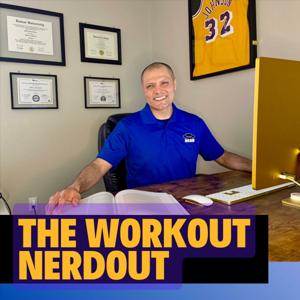
The Workout Nerdout

The Workout Nerdout

By Julio Lopez, MS, CSCSHealth & Fitness
Download on the App Store

The Workout Nerdout episodes

  • Will RFK Jr.’s Anti-High Fructose Corn Syrup Proposal Make America Healthier?

    Following Donald Trump’s presidential election victory, Robert F. Kennedy Jr., nominated to head the Department of Health and Human Services, proposed restricting soft drink companies from using high-fructose corn syrup (HFCS) and reverting to cane sugar. While HFCS has been widely used since the 1980s due to sugar tariffs and corn subsidies, concerns persist about its health effects.

    HFCS, invented in the 1950s, gained traction when it became cheaper and more efficient for beverage manufacturers like Coca-Cola and Pepsi. Unlike cane sugar, which remains solid in its natural state, HFCS is liquid, enhancing consistency in sodas. This economic shift coincided with rising rates of obesity and type 2 diabetes, leading some to blame HFCS for these health crises.
    However, health experts emphasize moderation over the type of sweetener. Excessive sugar consumption, whether from HFCS or cane sugar, can lead to impaired glucose tolerance, diabetes, and chronic illnesses. Despite RFK Jr.'s proposal, switching back to cane sugar won’t significantly improve public health unless overall consumption decreases.
    The debate highlights the importance of informed choices and moderation, as both HFCS and cane sugar pose similar risks when consumed in excess.
    Coach Julio is an expert in fitness and nutrition, having helped hundreds of busy office professionals and parents in their 30s, 40s, and 50s be their healthiest with personalized training plans and nutritionist counseling services. He works out of El Paso, Texas, but also offers remote nutritionist counseling and online personal training. Coach Julio’s expertise is backed by over nine years as a personal trainer and a Master’s degree in Nutrition.
    For information about working with Coach Julio for online personal training and nutritionist services, visit https://www.365physique.com

    7 min
  • Hidden Habits Sabotaging Weight Loss for Men Over 40

    Losing weight after 40 can feel like an uphill battle for many men. As metabolism slows, joints stiffen, and life becomes increasingly busy, overlooked habits can derail progress despite efforts to eat well and stay active.

    One common mistake men make when trying to lose weight is skipping meals or eating too little. While a caloric deficit is key to weight loss, extreme dieting deprives your body of essential nutrients and harms long-term health. Instead, focus on balanced meals with adequate protein. Aim for 1 gram of protein per pound of your target body weight to maintain muscle mass, reduce hunger, and support recovery from strength training.
    Men over 40 often overlook small habits that add calories, like excessive use of healthy fats or protein without proper training. Calories from sources like coconut oil or buttered coffee add up quickly, while unused protein can convert to fat if you’re not active enough.
    Fiber is another unsung hero for weight loss. It aids digestion, promotes satiety, and prevents overeating. Prioritize fiber-rich foods like fruits, vegetables, oats, and legumes.
    Lifestyle habits also play a big role. Screen time before bed reduces sleep quality, which affects weight loss and recovery. Setting limits and tracking progress with a food or workout log can help identify areas for improvement.
    Ultimately, the key to weight loss for men over 40 is consistency, balance, and attention to detail. By addressing small but significant habits like protein intake, fiber consumption, and hidden calorie sources, you can achieve sustainable progress without reinventing the wheel. Focus on lifting weights, improving diet quality, and finding exercises you enjoy for long-term success.
    Coach Julio is an expert in fitness and nutrition, having helped hundreds of busy office professionals and parents in their 30s, 40s, and 50s be their healthiest with personalized training plans and nutritionist counseling services. He works out of El Paso, Texas, but also offers remote nutritionist counseling and online personal training. Coach Julio’s expertise is backed by over nine years as a personal trainer and a Master’s degree in Nutrition.
    For information about working with Coach Julio for online personal training and nutritionist services, visit https://www.365physique.com

    8 min
  • From Injury to Recovery: Guide to Getting Back in the Gym

    Recovering from an injury and getting back to the gym can be challenging, especially for men who have made fitness a central part of their lifestyle. However, rushing into intense workouts can lead to re-injury, which undermines long-term health and progress. Patience and smart planning are key to rebuilding strength and preventing setbacks.

    A personal trainer can provide valuable guidance during your recovery journey, especially if your technique has suffered during your time off. Prioritizing excellent form is crucial to avoid aggravating your injury. Additionally, incorporating flexibility and mobility exercises into your routine can significantly improve your recovery. Dynamic stretching before workouts and static stretching afterward are ideal. Foam rolling can also help relax muscles and enhance mobility.
    Don’t underestimate the importance of hydration and warm-ups. Proper hydration supports muscle elasticity, while a light cardio session before stretching helps loosen stiff muscles, reducing the risk of strains.
    Avoid the temptation to overtrain, which is common after a break from fitness. Schedule rest days between workouts to allow your body to recover and prevent soreness. Logging your progress in a training journal is another effective way to monitor your recovery and keep your ego in check.
    Prioritize quality sleep! Sleep is vital for repairing muscle tissue and accelerating the recovery process. By adopting these strategies, you can rebuild your fitness safely and efficiently.
    When recovering from an injury, focusing on mobility, flexibility, and proper technique will improve your health while minimizing the risk of re-injury. Whether you're working with a personal trainer or managing recovery independently, a patient and mindful approach is essential for long-term success.
    Coach Julio is an expert in fitness and nutrition, having helped hundreds of busy office professionals and parents in their 30s, 40s, and 50s be their healthiest with personalized training plans and nutritionist counseling services. He works out of El Paso, Texas, but also offers remote nutritionist counseling and online personal training. Coach Julio’s expertise is backed by over nine years as a personal trainer and a Master’s degree in Nutrition.
    For information about working with Coach Julio for online personal training and nutritionist services, visit https://www.365physique.com

    6 min
  • How Women in Their 30s Can Get Back into Fitness

    Getting back into a workout routine in your 30s after an extended break is an exciting opportunity to regain fitness, but it requires a thoughtful approach. Unlike the invincible energy of your 20s, your body now benefits from a smarter, more intentional strategy. This is your time to embrace fitness as a lifestyle, focusing on long-term health and sustainable progress rather than quick fixes.

    Begin by setting realistic goals. You’re not trying to replicate your college fitness levels overnight; instead, aim for steady improvements that build strength and endurance. Incorporate resistance training into your routine since maintaining muscle mass and bone density is critical for overall health as you age. Women in their 30s still have solid bone density, and regular strength training can even improve it, making it a vital addition to your fitness plan.
    Before jumping into intense workouts, assess your current fitness level honestly. Avoid the temptation to push too hard, too soon, which often leads to injuries or burnout. Focus on proper form and technique for every exercise, whether you’re a gym veteran or a returning newbie. Muscle memory can help, but a layoff may have weakened supporting muscles, so ease back gradually. Recording your form or working with a trainer can provide valuable feedback and ensure safe progress.
    Weightlifting is a powerful tool for women returning to the gym. Prioritize compound exercises that target multiple muscle groups, and avoid social media trends or outdated moves that can cause harm. Strengthening your entire core, including glutes and stabilizers, is more effective than focusing solely on abs. Nutrition also plays a significant role in your success. Balance your diet with lean proteins, healthy fats, and carbohydrates while exploring nutrient-dense alternatives to your favorite foods. This approach supports energy levels, recovery, and weight management.
    Recovery is just as important as training. Quality sleep is the most effective tool for muscle repair and overall health, far surpassing trendy recovery gadgets. Respect your body’s need for rest and listen to signs of overtraining.
    Returning to the gym after 30 is not about rushing—it’s about consistency, patience, and celebrating every milestone. By focusing on sustainable habits, you’ll build a healthier, stronger version of yourself for the long term.
    Coach Julio is an expert in fitness and nutrition, having helped hundreds of busy office professionals and parents in their 30s, 40s, and 50s be their healthiest with personalized training plans and nutritionist counseling services. He works out of El Paso, Texas, but also offers remote nutritionist counseling and online personal training. Coach Julio’s expertise is backed by over nine years as a personal trainer and a Master’s degree in Nutrition.
    For information about working with Coach Julio for online personal training and nutritionist services, visit https://www.365physique.com

    7 min
  • Debunking Fitness Myths for Women in Their 30s

    Women in their 30s that are starting a fitness journey often face a lot of misconceptions and bad advice. One of the most common myths is the fear of getting bulky from lifting weights. However, women’s bodies produce significantly less testosterone than men, making it difficult to gain muscle mass quickly. Weightlifting helps to build strength and can be done without excessive muscle growth. By focusing on lifting heavier weights with lower repetitions, women can improve their strength without the fear of looking too muscular.

    Another widespread misconception is the belief that "more is better" when it comes to exercise. Training too frequently can lead to burnout, injuries, and loss of motivation. Instead, women should gradually build their routine by allowing time for proper recovery. Listening to the body is key to preventing fatigue and injury. Ideally, working with a personal trainer can help women create a balanced fitness plan that avoids overtraining while still focusing on weight loss and strength.
    Fitness gimmicks like fat burners, waist trainers, and sweat-inducing gels are often marketed as quick weight loss but don’t deliver real results. Fat burners are usually just caffeine supplements, offering no better benefits than drinking coffee. Waist trainers and sweat gels cause temporary water loss, but the weight returns once you rehydrate. Spot fat reduction, promoted by these products, is a myth. Sustainable weight loss requires a balanced diet and regular exercise, not expensive supplements or gimmicks.
    Fitness should be approached with a focus on evidence-based strategies rather than myths or quick fixes. Lifting weights doesn't mean building excessive bulk for most women, and overtraining can do more harm than good. To achieve long-term success in weight loss and strength, it’s important to follow a well-rounded program, and a personal trainer can provide valuable support. Staying informed and making smart choices are key to a successful and healthy fitness journey.Coach Julio is an expert in fitness and nutrition, having helped hundreds of busy office professionals and parents in their 30s, 40s, and 50s be their healthiest with personalized training plans and nutritionist counseling services. He works out of El Paso, Texas, but also offers remote nutritionist counseling and online personal training. Coach Julio’s expertise is backed by over nine years as a personal trainer and a Master’s degree in Nutrition.For information about working with Coach Julio for online personal training and nutritionist services, visit https://www.365physique.com

    7 min
  • Lose Weight Without Losing Time: Fitness Tips for Dads

    Losing weight as a busy dad can feel impossible, but with some smart strategies, you can make it work. With limited time due to family and work commitments, integrating exercise into your daily routine is essential. Simple changes like parking further from your destination or taking the stairs can help increase your activity level. These small efforts add up and help burn extra calories without taking time away from family. At work, use a cordless phone and walk during calls, or challenge yourself with quick, at-home exercises like squats or push-ups during breaks.

    Nutrition is just as important as exercise when it comes to weight loss. Meal prepping can save you time and help you avoid unhealthy fast food options. Focus on nutrient-dense foods that are low in calories but high in protein. A simple rule is to eat one gram of protein per pound of your target weight. Consistency with protein intake is key, even on rest days, as your body needs it to repair muscle. Whether you opt for meal delivery services or prepare your meals in batches, meal prep can help you stay on track with your nutrition goals.
    Involving your family in your fitness journey is a great way to balance family time and exercise. Take family hikes or play sports like basketball or soccer to get in cardio while having fun. You can even involve your kids in meal prepping or bring them to the gym if they’re old enough. This not only helps you stay active but sets a positive example for your kids about the importance of a healthy lifestyle.
    By incorporating movement into your day, sticking to a meal prep routine, and involving your family, losing weight as a busy dad becomes more achievable. Time constraints don’t have to be an obstacle—you just need to approach your weight loss goals with the right strategies and mindset.
    Coach Julio is an expert in fitness and nutrition, having helped hundreds of busy office professionals and parents in their 30s, 40s, and 50s be their healthiest with personalized training plans and nutritionist counseling services. He works out of El Paso, Texas, but also offers remote nutritionist counseling and online personal training. Coach Julio’s expertise is backed by over nine years as a personal trainer and a Master’s degree in Nutrition.
    For information about working with Coach Julio for online personal training and nutritionist services, visit https://www.365physique.com

    8 min
  • Healthy Habits for Entrepreneurs: Increase Energy, Eliminate Back and Neck Pain

    As an entrepreneur, you take ownership of challenges in your business, but are you taking ownership of your health? With the demands of growing a business, it can seem impossible to commit time to exercise and healthy eating. However, neglecting your health can slow you down, especially as you age. Many entrepreneurs in their 30s and 40s experience declining energy levels and back or neck pain due to long hours at a desk. By adopting strategies that prioritize health, you can boost energy, reduce pain, and optimize business success.

    Stress is a common cause of wasted energy for entrepreneurs, making it difficult to sustain a high pace. Consistent exercise helps reduce stress by releasing endorphins, which improve mood and reduce anxiety. Even a 10-20 minute workout, such as a simple circuit or a walk, can have a significant impact on stress management. Exercise also improves sleep, allowing you to feel more refreshed and productive.
    Cardio is as crucial as weightlifting. Cardiovascular training strengthens your heart and reduces the risk of heart disease. By incorporating exercises like running, swimming, or rowing, you can expand lung capacity and increase oxygen flow, ultimately boosting your energy.
    Inactivity leads to muscle loss, which is often responsible for back and neck pain in entrepreneurs. Exercises like squats, deadlifts, and shoulder presses strengthen your core and support your spine. Poor posture from hunching over your desk can compress spinal discs, leading to herniation. Weight exercises that require proper posture train core muscles, helping normalize good posture.
    Inactivity causes muscles and joints to stiffen, similar to how rust impairs metal hinges. Tight muscles press on spinal nerves, causing pain. Consistent exercise keeps muscles flexible, reducing pressure and discomfort. Proper nutrition also plays a role in pain reduction. A diet rich in fruits and vegetables provides antioxidants that reduce inflammation. Eating a variety of colorful produce ensures you receive essential nutrients, helping to prevent back and neck pain.
    Taking ownership of your health as an entrepreneur is key to long-term success, enabling you to maintain the energy and physical resilience needed to grow your business.
    Coach Julio is an expert in fitness and nutrition, having helped hundreds of busy office professionals and parents in their 30s, 40s, and 50s be their healthiest with personalized training plans and nutritionist counseling services. He works out of El Paso, Texas, but also offers remote nutritionist counseling and online personal training. Coach Julio’s expertise is backed by over nine years as a personal trainer and a Master’s degree in Nutrition.
    For information about working with Coach Julio for online personal training and nutritionist services, visit https://www.365physique.com

    7 min
  • Best Tips to Boost Bone Density for Women Over 30

    Maintaining good bone density is crucial for women, especially as they age. Around age 30, bone density typically peaks and then gradually begins to decline. While you can’t entirely prevent this decline, you can significantly slow it down with the right lifestyle choices. For women in their 30s and beyond, a combination of proper nutrition and regular exercise is key to preserving bone health.

    Resistance training, such as weight lifting, is highly effective in maintaining bone density. Exercises like barbell lifts are particularly beneficial as they allow you to handle more weight, which strengthens bones by making them adapt to the increased load. This process is similar to how muscles grow stronger when subjected to progressive overload.
    On the nutrition side, it's essential to ensure you’re getting enough vitamin D and calcium, both of which are critical for bone health. Vitamin D helps your body absorb calcium, which is necessary for maintaining strong bones. Additionally, minerals like selenium and vitamin E play crucial roles in bone maintenance. Selenium may help slow down bone resorption, the process where bone tissue is broken down, and vitamin E supports the bone remodeling cycle, which keeps bones strong and less prone to fractures. Foods rich in these nutrients, such as nuts, seeds, dairy, and leafy greens, should be a regular part of your diet.
    Self-preservation also plays a vital role in maintaining bone health. Smoking, for example, negatively impacts bone density by inhibiting the vitamin D-parathyroid hormone axis, which is essential for calcium absorption. Being overweight can place extra stress on your bones, but restrictive diets aimed at rapid weight loss can be even more harmful. The goal should be to maintain a healthy weight through balanced nutrition and regular physical activity. Additionally, regular check-ups with your doctor are crucial. Health screenings, including bone density tests, can catch potential issues early, allowing you to take preventive measures before serious problems arise.
    While aging is inevitable, living a healthy lifestyle can slow down the loss of bone density and muscle mass. By staying active, eating a nutrient-rich diet, and getting regular health check-ups, you can maintain strong bones and reduce the risk of fractures as you age.
    Coach Julio is an expert in fitness and nutrition, having helped hundreds of busy office professionals and parents in their 30s, 40s, and 50s be their healthiest with personalized training plans and nutritionist counseling services. He works out of El Paso, Texas, but also offers remote nutritionist counseling and online personal training. Coach Julio’s expertise is backed by over nine years as a personal trainer and a Master’s degree in Nutrition.
    For information about working with Coach Julio for online personal training and nutritionist services, visit https://www.365physique.com

    8 min
  • Top 3 PROTEIN Snacks for Men on the Go

    For men in their 30s who are looking to get in better shape, lose weight, or gain muscle, three standout options – hard boiled eggs, Greek yogurt, and chickpeas – offer a perfect blend of portability, nutrition, and taste, making them ideal for anyone on the go.

    Hard boiled eggs are a timeless, protein-rich snack that can significantly benefit men in their 30s striving to improve their fitness. Each egg provides approximately 6 grams of high-quality protein, essential amino acids, and a wealth of vitamins and minerals, including vitamin B12, riboflavin, and selenium. These nutrients are crucial for muscle repair and growth, which is particularly important for those engaging in strength training or other fitness activities. Their compact size and natural packaging make them incredibly convenient to transport and eat anywhere. Additionally, hard boiled eggs can be prepared in advance and stored in the refrigerator for up to a week, ensuring a quick, nutritious option is always available. They can be enjoyed plain, seasoned with a dash of salt and pepper, or paired with other healthy foods like avocado or whole grain crackers for added flavor and nutrition.
    Greek yogurt is another excellent protein-rich snack that supports weight loss and muscle gain. Providing roughly 10 grams of protein per 100 grams, Greek yogurt helps keep you feeling full longer, which can aid in weight management by reducing overall calorie intake. This creamy delight is not only rich in protein but also packed with probiotics, which promote gut health, and calcium, which is vital for bone health. Greek yogurt is incredibly versatile, making it easy to incorporate into various snacks. It can be enjoyed on its own, sweetened with a drizzle of honey, or topped with fresh fruits, nuts, or granola for a satisfying crunch. For those seeking savory options, Greek yogurt can be transformed into a delicious dip or dressing, perfect for pairing with raw vegetables or whole grain pita chips.
    Chickpeas, also known as garbanzo beans, are a fantastic plant-based protein source that can support muscle building and weight loss efforts. Offering about 15 grams of protein per cooked cup, chickpeas are also high in fiber, iron, and other essential nutrients, making them a wholesome and filling snack option. Their high fiber content helps promote satiety and digestive health, aiding in weight management. Chickpeas can be enjoyed in various forms, from roasted chickpeas seasoned with your favorite spices to creamy hummus paired with fresh veggies or whole grain crackers. Their versatility extends to salads and grain bowls, where they add a satisfying protein boost and a pleasant, nutty flavor.
    Incorporating hard boiled eggs, Greek yogurt, and chickpeas into your snack repertoire ensures that you have access to convenient, nutritious, and protein-rich options that support a healthy and active lifestyle. These snacks are not only easy to prepare and transport but also offer diverse flavors and textures to keep your taste buds delighted. Whether you're at work, traveling, or simply need a quick bite, these protein-packed snacks are your go-to solutions for staying energized and satisfied throughout the day. For men in their 30s looking to improve their fitness, these snacks can be instrumental in achieving their health and fitness goals.
    Coach Julio is an expert in fitness and nutrition, having helped hundreds of busy office professionals and parents in their 30s, 40s, and 50s be their healthiest with personalized training plans and nutritionist counseling services. He works out of El Paso, Texas, but also offers remote nutritionist counseling and online personal training. Coach Julio’s expertise is backed by over nine years as a personal trainer and a Master’s degree in Nutrition.
    For information about working with Coach Julio for online personal training and nutritionist services, visit https://www.365physique.com

    6 min
  • The Causes and Science of Weight Gain: The Gina Carano Case Study

    We’re diving deep into the real reasons behind weight gain and trust me, it’s way more complicated than just laziness or lack of discipline, like Joe Rogan and Bill Maher might have you believe. Plus, we’ll be touching on Gina Carano’s recent weight gain and why it’s a perfect example of how there’s more to the story.

    Did you know your genes play a huge role in how you gain weight? Some people are just more prone to storing fat, no matter how hard they try. So, it’s not just about willpower or discipline.High-calorie, low-nutrient foods are everywhere, and they’re super tempting. Plus, we’re sitting more than ever before – at work, at home, you name it. This sedentary lifestyle makes it tough to stay fit and healthy.
    Now, let’s get into something super important – mental health. Stress, anxiety, and depression can lead to emotional eating. It’s not about being weak; it’s about seeking comfort in food when you’re feeling down. And that’s a real struggle that deserves understanding, not judgment.
    A one-size-fits-all mindset doesn’t work. Working with a personal trainer or nutritionist can help you create a plan that’s tailored to you. Everyone’s different, and your weight loss strategy should reflect that.
    Recently, Gina Carano has gained some weight, and the internet’s been buzzing. But instead of jumping to conclusions, let’s consider the bigger picture. Gina’s had a demanding career, both physically and mentally. Factors like stress, lifestyle changes, and even potential medical issues could be at play. It’s a prime example of how we shouldn’t judge someone’s weight without knowing their story.
    Finally, let’s discuss society and the stigma around weight and fat shaming. People often judge others without knowing their story. It’s time we shift to a more compassionate and understanding approach. Let’s support each other in our health and fitness journeys.
    By breaking down these misconceptions, we can better understand the true factors behind weight gain. So, let’s stop oversimplifying and start supporting each other. If you found this video helpful, don’t forget to hit that like button, subscribe, and share your thoughts in the comments below. See you in the next one!

    Coach Julio is an expert in fitness and nutrition, having helped hundreds of busy office professionals and parents in their 30s, 40s, and 50s be their healthiest with personalized training plans and nutritionist counseling services. He works out of El Paso, Texas, but also offers remote nutritionist counseling and online personal training.

    Coach Julio’s expertise is backed by over nine years as a personal trainer and a Master’s degree in Nutrition.

    For information about working with Coach Julio for online personal training and nutritionist services, visit https://www.365physique.com

    13 min

About The Workout Nerdout

From the publisher's feed

Personal Trainer and Nutritionist, Julio Lopez, takes a deeper dive into fitness and nutrition for the busy professional, including weight loss, supplements and overall health and wellness. Brought to…