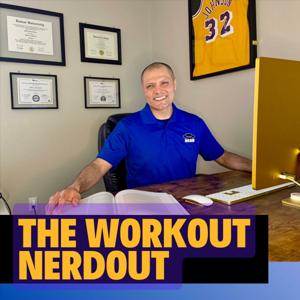
The Workout Nerdout

The Workout Nerdout

By Julio Lopez, MS, CSCSHealth & Fitness
Download on the App Store

The Workout Nerdout episodes

  • Facts About Weight Loss Challenges

    Coach Julio is an expert in fitness and nutrition, having helped hundreds of busy professionals in their 30s, 40s, and 50s be healthy, as well as offering nutritionist counseling services. He works out of El Paso, Texas, but also offers remote nutritionist counseling and online personal training. Coach Julio’s expertise is backed by over eight years as a personal trainer and a Master’s degree in Nutrition.

    For information about working with Coach Julio for online personal training and nutritionist services, visit https://www.365physique.com

    7 min
  • Common Gym Errors: Easy Fixes

    We delve into the common mistakes gym goers often make and how to avoid them, ensuring you optimize your fitness journey. Failing to use a structured training plan is a prevalent pitfall that can hinder progress. A well-designed plan, personalized by a qualified personal trainer, not only sets clear goals but also ensures balanced workouts, targeting different muscle groups and enhancing overall performance. Emphasizing the importance of proper planning and guidance, our expert personal trainers share valuable tips to propel you toward success.

    Additionally, finding the right balance in intensity is crucial. Overtraining can lead to burnout, injury, and stalled progress. Conversely, not pushing yourself enough may result in minimal gains. Our fitness professionals guide you through identifying your optimal training intensity, customizing workouts to match your fitness level, and gradually progressing to challenge your limits safely. Understanding that every individual's needs differ, they highlight the significance of listening to your body and adopting an approach that fosters continuous improvement without risking injury.
    Moreover, rest and recovery are often overlooked aspects of fitness. Incorporating sufficient rest periods between intense workouts is vital for muscle repair and growth. Our expert advice delves into the science behind rest and explains how allowing your body time to recover enhances overall health and prevents burnout. We stress the value of incorporating rest days into your training routine, maintaining a balanced lifestyle, and reaping the benefits of a well-rested body and mind.
    Beyond training intensity and planning, nutrition plays an indispensable role in your fitness journey. Failing to fuel your body adequately can hinder progress and compromise health. Our fitness specialists stress the significance of adopting a balanced and nutrient-dense diet, tailored to your fitness goals and individual needs. They share practical tips on selecting wholesome foods to support your workouts, maximize energy levels, and promote overall well-being.
    This video addresses the most common gym mistakes and offers expert advice to navigate these pitfalls successfully. By using a well-structured training plan, tailored by a knowledgeable personal trainer, and striking the right balance in intensity, you can elevate your fitness journey. Emphasizing the value of rest and recovery, and the role of proper nutrition, our fitness professionals equip you with the tools to achieve long-term success in your pursuit of improved fitness and health. Embrace these insights, and embark on a transformative journey toward your fitness goals today. Remember, small changes can lead to significant improvements, and with the right guidance, your fitness aspirations are within reach.
    Coach Julio is an expert in fitness and nutrition, having helped hundreds of busy professionals in their 30s, 40s, and 50s be healthy, as well as offering nutritionist counseling services. He works out of El Paso, Texas, but also offers remote nutritionist counseling and online personal training. Coach Julio’s expertise is backed by over eight years as a personal trainer and a Master’s degree in Nutrition.
    For information about working with Coach Julio for online personal training and nutritionist services, visit https://www.365physique.com

    7 min
  • Protein 101: Supplements and BCAAs

    Protein is an essential macronutrient that plays a crucial role in maintaining overall fitness and health. It is composed of smaller units called amino acids, which are often referred to as the building blocks of proteins. Understanding the importance of protein and amino acids is vital for personal trainers, fitness enthusiasts, and those seeking weight loss or gym-related goals.

    Amino acids are organic compounds that combine to form proteins. There are 20 different amino acids, and their sequence and arrangement determine the structure and function of each protein. When we consume protein-rich foods, our bodies break down the proteins into amino acids during digestion. These amino acids are then absorbed into the bloodstream and utilized for various physiological processes.
    Completing a protein involves obtaining all the essential amino acids our bodies cannot produce on their own. While some protein sources such as meat, eggs, and dairy products provide all essential amino acids, others like grains and legumes may lack certain amino acids. However, by combining different protein sources, such as beans and rice, one can ensure the intake of all essential amino acids, promoting protein synthesis and supporting fitness and health goals.
    BCAA (branched-chain amino acid) supplements have gained popularity among fitness enthusiasts due to their potential benefits in muscle growth and recovery. BCAAs are a specific group of essential amino acids, including leucine, isoleucine, and valine. These amino acids are metabolized directly in muscle tissue, making them readily available for energy production during exercise. Personal trainers often recommend BCAA supplements to support muscle development and reduce muscle soreness post-workout.
    Protein quality is another essential aspect to consider when focusing on fitness and health. The quality of a protein source is determined by its amino acid composition and digestibility. Animal-based protein sources such as meat, poultry, fish, and dairy products are considered high-quality proteins due to their complete amino acid profiles and high digestibility. On the other hand, plant-based protein sources may have lower digestibility and incomplete amino acid profiles. However, by incorporating a variety of plant-based protein sources, such as soy, quinoa, and hemp seeds, individuals can achieve a complete amino acid intake.
    Determining the appropriate amount of protein to consume depends on several factors, including activity level, goals, and overall health. While there is no one-size-fits-all recommendation, the general guideline for individuals engaged in fitness activities and weight loss is to consume 0.8 grams of protein per kilogram of body weight. However, athletes and individuals involved in intense training may require higher protein intake to support muscle repair and growth.
    Protein and amino acids are integral components in achieving fitness and health goals. Understanding the importance of complete proteins, considering BCAA supplementation, evaluating protein quality, and determining appropriate protein intake are all crucial aspects for personal trainers, gym-goers, and those pursuing weight loss. By emphasizing a balanced and varied protein intake, individuals can optimize their fitness journey and promote overall well-being.
    Coach Julio is an expert in fitness and nutrition, having helped hundreds of busy professionals in their 30s, 40s, and 50s be healthy, as well as offering nutritionist counseling services. He works out of El Paso, Texas, but also offers remote nutritionist counseling and online personal training. Coach Julio’s expertise is backed by over eight years as a personal trainer and a Master’s degree in Nutrition.
    For information about working with Coach Julio for online personal training and nutritionist services, visit https://www.365physique.com

    8 min
  • Struggling with Weight Loss

    Weight loss journeys can sometimes be frustrating, especially when the progress seems slower than expected. However, it is essential to remain calm and patient during these moments. Remember that sustainable weight loss is a gradual process, and rushing it may lead to unsustainable practices and disappointment. Instead of getting discouraged, it is helpful to make slight adjustments to the fitness and nutrition routine.

    Having a personal trainer can be highly beneficial during such times. A knowledgeable trainer can provide guidance and support, helping to identify potential areas for improvement. They can help design a personalized plan that aligns with individual goals and ensures that efforts are focused on overall health and fitness.
    When weight loss isn't happening as quickly as desired, making slight adjustments to the routine can be effective. This may include modifying the intensity or duration of workouts, adjusting calorie intake, or diversifying exercise methods to challenge the body in new ways. The key is to stay flexible and open-minded, understanding that the body's response to weight loss varies from person to person.
    It is crucial to maintain a positive mindset throughout the weight loss journey. Instead of fixating solely on the number on the scale, focus on the progress made towards overall health and well-being. Celebrate achievements like increased stamina, improved strength, or better sleep quality. By shifting the focus to the bigger picture of becoming healthier, the journey becomes more rewarding and sustainable in the long run.
    Being happy with putting in the effort to become healthier is a mindset that can significantly impact motivation and consistency. Recognize that every small step taken towards fitness and health is a victory in itself. Embrace the journey as an opportunity for personal growth and self-improvement. Surrounding oneself with a supportive community, including a personal trainer, can provide encouragement and accountability, making the process more enjoyable.
    Remember, weight loss is not the sole indicator of progress or success. Focus on developing healthy habits, nourishing the body with nutritious foods, and engaging in regular physical activity. Embrace the joy of becoming stronger, fitter, and more energetic. Appreciate the effort put into self-care and prioritize overall health above quick fixes or drastic measures.
    When weight loss isn't happening as quickly as expected, it is important to remain calm and make slight adjustments to the routine. Having a personal trainer can offer guidance and support throughout the journey. Rather than fixating on the number on the scale, focus on overall health and celebrate the progress made. By being happy with the effort put into becoming healthier, the weight loss journey becomes more sustainable and fulfilling. Remember, the ultimate goal is long-term fitness, health, and well-being.
    Coach Julio is an expert in fitness and nutrition, having helped hundreds of busy professionals in their 30s, 40s, and 50s be healthy, as well as offering nutritionist counseling services. He works out of El Paso, Texas, but also offers remote nutritionist counseling and online personal training. Coach Julio’s expertise is backed by over eight years as a personal trainer and a Master’s degree in Nutrition.
    For information about working with Coach Julio for online personal training and nutritionist services, visit https://www.365physique.com

    15 min
  • Personal Trainer Tips: How to Get a Flatter Stomach

    Achieving a flatter stomach requires a combination of good nutrition and consistent exercise. However, it is equally important to select a diet and form of exercise that excites and motivates the individual. Without enthusiasm and enjoyment, it becomes challenging to sustain the necessary discipline.

    Nutrition plays a vital role in obtaining a flatter stomach. Consuming a well-balanced diet that includes lean proteins, whole grains, fruits, and vegetables promotes overall health and supports weight loss. It is crucial to create a caloric deficit by controlling portion sizes and choosing nutrient-dense foods. Additionally, reducing processed foods, sugary snacks, and excessive sodium intake can help decrease bloating and water retention.
    Regular exercise is essential for developing core muscles and burning excess body fat. Incorporating both cardiovascular exercises and strength training into the routine can accelerate the results. Cardio exercises like running, cycling, or swimming help burn calories and increase overall fitness levels. Strength training, including exercises such as planks, deadlifts, and squats, targets the abdominal muscles and enhances core strength.
    Selecting a diet and exercise routine that excites and motivates the individual is crucial for long-term success. When someone enjoys their chosen activities, they are more likely to stick with them consistently. Whether it's joining a dance class, practicing yoga, or participating in team sports, finding activities that bring joy and fulfillment can make the fitness journey more enjoyable and sustainable.
    Discipline plays a vital role in achieving a flatter stomach. It is the foundation for consistent exercise and adherence to a nutritious diet. Discipline involves making conscious choices, setting realistic goals, and staying committed to the plan, even when faced with challenges or setbacks. It requires self-control and the willingness to prioritize health and fitness goals over short-term indulgences.
    Discipline helps establish healthy habits and routines that become second nature over time. It keeps individuals accountable to themselves and their aspirations. By embracing discipline, individuals can overcome obstacles, resist temptations, and stay focused on their path to a flatter stomach.
    Getting a flatter stomach involves a combination of good nutrition, consistent exercise, selecting activities that excite the individual, and practicing discipline. Following a well-balanced diet, engaging in regular cardiovascular exercises and strength training, and finding joy in the chosen activities are essential for sustainable progress. Discipline ensures consistency, adherence to the plan, and the ability to overcome challenges along the way. With dedication and a positive mindset, a flatter stomach can be within reach, leading to improved health, confidence, and overall well-being.
    Coach Julio is an expert in fitness and nutrition, having helped hundreds of busy professionals in their 30s, 40s, and 50s be healthy, as well as offering nutritionist counseling services. He works out of El Paso, Texas, but also offers remote nutritionist counseling and online personal training. Coach Julio’s expertise is backed by over eight years as a personal trainer and a Master’s degree in Nutrition.
    For information about working with Coach Julio for online personal training and nutritionist services, visit https://www.365physique.com

    11 min
  • Personal Trainer Tips: Training for Abs

    Training to develop strong abs while minimizing the risk of back injuries is essential for maintaining both health and fitness. The abs, or abdominal muscles, play a significant role in stabilizing the core and supporting proper posture. However, many traditional ab exercises, such as sit-ups or crunches, can place excessive strain on the back, potentially leading to injuries. Fortunately, there are safer alternatives that can still effectively target the abs and provide a solid foundation for a strong and functional core.

    First and foremost, seeking guidance from a knowledgeable personal trainer or fitness professional is crucial. They can assess your specific needs, develop a tailored workout plan, and ensure that you perform exercises with proper form. With their expertise, they can guide you towards exercises that engage the abs while minimizing the risk to your back.
    One effective exercise for abs that is gentle on the back is the plank. Planks engage the entire core, including the abs, obliques, and lower back, without placing excessive strain on any one area. By assuming a push-up position with the forearms on the ground and holding the body in a straight line, the abs are activated and work to maintain stability. Planks can be modified to increase the intensity, such as performing them on an unstable surface like a stability ball or adding variations like side planks or plank twists.
    Another exercise that can be incorporated into an abs-focused routine is the dead bug. This exercise targets the deep core muscles, including the transverse abdominis, which plays a crucial role in stabilizing the spine. To perform the dead bug, lie on your back with your arms extended towards the ceiling and your knees bent. Slowly lower one arm and the opposite leg towards the ground while keeping the abs engaged and the lower back pressed into the floor. Alternate sides in a controlled manner to work both sides of the abs evenly.
    In addition to specific exercises, it's important to remember that overall strength training and functional movements in the gym can also contribute to the development of strong abs. Exercises like squats, lunges, and deadlifts engage the core muscles to provide stability and support during the movements. Incorporating compound exercises into your routine, under proper supervision, can provide a balanced approach to developing a strong core while minimizing the risk of back injuries.
    Training to develop abs in a way that doesn't add risk to back injuries is achievable through proper exercise selection, form, and guidance from a personal trainer. By focusing on exercises like planks, dead bugs, and compound movements, individuals can effectively target their abs while ensuring the health and well-being of their back. Remember to always prioritize form, listen to your body, and consult with a personal trainer to design a safe and effective abs training program.
    Coach Julio is an expert in fitness and nutrition, having helped hundreds of busy professionals in their 30s, 40s, and 50s be healthy, as well as offering nutritionist counseling services. He works out of El Paso, Texas, but also offers remote nutritionist counseling and online personal training. Coach Julio’s expertise is backed by over eight years as a personal trainer and a Master’s degree in Nutrition.
    For information about working with Coach Julio for online personal training and nutritionist services, visit https://www.365physique.com

    10 min
  • Alternative Exercises for Building Your Abs

    Planks, side planks, mountain climbers, and dead bugs are highly effective exercises that can help build strong and defined abdominal muscles. These exercises are commonly recommended by personal trainers to improve overall health, fitness, and core strength.

    Planks are a fundamental exercise for strengthening the core muscles, including the abs. To perform a plank, you assume a push-up position with your forearms on the ground and your body straight. Engaging the abs and maintaining proper form challenges the core muscles, promoting stability and endurance. Planks can be modified by lifting one leg or arm to increase the difficulty and engage the muscles further.
    Side planks target the oblique muscles, which are essential for rotational movements and overall core stability. To perform a side plank, you start by lying on your side and supporting your body with one forearm. Your body should form a straight line, with the hips lifted off the ground. This exercise engages the side muscles of the abs, helping to develop a strong and defined waistline.
    Mountain climbers are a dynamic exercise that engages multiple muscle groups, including the abs. To perform mountain climbers, you start in a push-up position and alternate bringing your knees toward your chest, mimicking a running motion. This exercise not only targets the abs but also increases heart rate and boosts cardiovascular fitness. It helps to burn calories and reduce body fat, which can reveal the underlying abdominal muscles.
    Dead bugs are a great exercise for targeting the deep abdominal muscles, including the transverse abdominis. To perform dead bugs, you lie on your back with your arms extended toward the ceiling and your knees bent at a 90-degree angle. Slowly extend one leg while simultaneously lowering the opposite arm overhead. This exercise challenges the abs to maintain stability and control throughout the movement, promoting core strength and coordination.
    Incorporating these exercises into your fitness routine can yield significant benefits for your abs and overall health. Personal trainers often recommend incorporating a variety of exercises to target different aspects of core strength and engage various muscle groups. Alongside a balanced diet and regular cardiovascular exercise, these exercises can contribute to a toned midsection, improved posture, and increased functional strength.
    Remember, it's essential to perform these exercises with proper form and gradually increase the intensity as your strength improves. If you're new to these exercises or have any underlying health conditions, it's recommended to consult with a personal trainer or healthcare professional before starting any new exercise program.
    Coach Julio is an expert in fitness and nutrition, having helped hundreds of busy professionals in their 30s, 40s, and 50s be healthy, as well as offering nutritionist counseling services. He works out of El Paso, Texas, but also offers remote nutritionist counseling and online personal training. Coach Julio’s expertise is backed by over eight years as a personal trainer and a Master’s degree in Nutrition.
    For information about working with Coach Julio for online personal training and nutritionist services, visit https://www.365physique.com

    7 min
  • High-Fructose Corn Syrup Exposed: How It Impacts Your Health

    High-fructose corn syrup (HFCS) is a sweetener commonly found in processed foods and beverages. Its widespread use has sparked debates about its impact on health, particularly in relation to fitness, health, nutrition, weight loss, and the role of personal trainers in managing dietary choices. This essay delves into the effects of high-fructose corn syrup on health, shedding light on its potential risks and the importance of making informed choices with the guidance of a personal trainer.

    HFCS is derived from cornstarch and consists of a blend of glucose and fructose. It is added to a variety of food products due to its sweetness, affordability, and ability to enhance flavor and texture. However, numerous studies suggest a link between the consumption of HFCS and various health issues, including obesity, type 2 diabetes, and cardiovascular diseases.
    One of the primary concerns regarding HFCS is its impact on weight management and weight loss. High-fructose corn syrup is highly caloric, and excessive consumption can contribute to weight gain. As a result, individuals consuming foods and beverages containing HFCS may experience a reduced ability to control their calorie intake, hindering weight loss efforts.
    Furthermore, HFCS consumption has been associated with an increased risk of developing metabolic syndrome and type 2 diabetes. Regular intake of HFCS-rich products can lead to insulin resistance, impaired glucose metabolism, and elevated blood sugar levels.
    In addition to its direct impact on weight and metabolic health, HFCS also has implications for cardiovascular health. Studies have found a correlation between high fructose intake and increased triglyceride levels, which are a risk factor for heart disease. Excessive consumption of HFCS has also been associated with elevated blood pressure, inflammation, and oxidative stress, all of which contribute to cardiovascular complications.
    Personal trainers can play a crucial role in assisting individuals in making informed choices regarding their nutrition and sugar intake. They can provide education on the impact of high-fructose corn syrup and guide clients in developing healthier eating habits. Personal trainers can help individuals identify hidden sources of HFCS and other added sugars in their diet, encouraging the consumption of whole, unprocessed foods that promote overall health and weight management.
    When it comes to nutrition, personal trainers can help their clients understand the importance of reading food labels and making conscious choices. They can suggest healthier alternatives to HFCS-rich products and provide strategies for reducing sugar consumption. By working closely with a personal trainer, individuals can develop personalized nutrition plans that align with their fitness goals and optimize their overall health and well-being.
    High-fructose corn syrup poses potential risks to fitness, health, nutrition, and weight loss efforts. Its association with weight gain, metabolic disorders, and cardiovascular complications underscores the importance of mindful consumption and informed decision-making. Personal trainers can serve as valuable resources, providing guidance and support in navigating dietary choices and promoting healthier lifestyles. By working together, individuals can take control of their nutrition, reduce HFCS intake, and make positive changes to support their fitness and health goals.
    Coach Julio is an expert in fitness and nutrition, having helped hundreds of busy professionals in their 30s, 40s, and 50s be healthy, as well as offering nutritionist counseling services. He works out of El Paso, Texas, but also offers remote nutritionist counseling and online personal training. Coach Julio’s expertise is backed by over eight years as a personal trainer and a Master’s degree in Nutrition.
    For information about working with Coach Julio for online personal training and nutritionist services, visit https://www.365physique.com

    7 min
  • The Pros and Cons of Probiotics: Benefits vs Risks

    Probiotics have gained significant attention in recent years for their potential digestive benefits and impact on overall health and well-being. These live microorganisms, often referred to as "good bacteria," are known to support a healthy gut and aid in digestion. However, like any supplement, probiotics come with possible risks and considerations. In this essay, we will explore the digestive benefits of probiotics, discuss potential risks, and highlight the importance of seeking guidance from a personal trainer or healthcare professional for optimal use.

    Probiotics have been extensively studied for their positive effects on digestive health. These beneficial bacteria help maintain a balanced gut microbiota, promoting the proper breakdown and absorption of nutrients. They enhance the production of enzymes that aid in digestion, improving nutrient availability and absorption. Additionally, probiotics can help alleviate digestive discomfort, such as bloating and gas, and support regular bowel movements. By optimizing gut health, probiotics contribute to overall digestive wellness.
    While probiotics offer potential benefits, it is crucial to be aware of the possible risks and considerations. Certain individuals, such as those with compromised immune systems or underlying health conditions, may be more susceptible to adverse effects. In rare cases, probiotics can cause infections or lead to allergic reactions. Additionally, the quality and composition of probiotic supplements vary, making it essential to choose reputable brands and consult with a healthcare professional or personal trainer before starting any supplementation.
    Personal trainers, with their expertise in fitness, health, and nutrition, can play a vital role in guiding individuals on the use of probiotics. They can assess an individual's specific needs, goals, and health conditions to determine the most appropriate probiotic strains and dosage. Personal trainers can also provide valuable advice on dietary modifications, incorporating probiotic-rich foods, and ensuring overall nutritional balance.
    When considering probiotic supplementation, it is important to select strains that have been clinically studied and have demonstrated efficacy. Lactobacillus and Bifidobacterium species are among the most widely researched and commonly used probiotic strains. These strains are generally safe for healthy individuals and have shown beneficial effects on gut health and digestion.
    Additionally, it is crucial to introduce probiotics gradually and monitor their effects. Some individuals may experience mild gastrointestinal symptoms, such as bloating or diarrhea, when first starting probiotics. However, if symptoms persist or worsen, it is recommended to consult with a healthcare professional or personal trainer for further guidance.
    Probiotics offer potential digestive benefits and can contribute to overall health and well-being. They support gut health, aid in digestion, and may have additional positive effects on immunity, nutrient absorption, and even weight management. However, it is important to be aware of the potential risks and consider individual health conditions. Seeking guidance from a personal trainer or healthcare professional is essential to ensure the proper selection, dosage, and usage of probiotics for optimal fitness, health, and nutrition outcomes.
    Coach Julio is an expert in fitness and nutrition, having helped hundreds of busy professionals in their 30s, 40s, and 50s be healthy, as well as offering nutritionist counseling services. He works out of El Paso, Texas, but also offers remote nutritionist counseling and online personal training. Coach Julio’s expertise is backed by over eight years as a personal trainer and a Master’s degree in Nutrition.
    For information about working with Coach Julio for online personal training and nutritionist services, visit https://www.365physique.com

    8 min
  • Back Pain Relief: Unlocking the Benefits of Hip Thrusts

    Back pain is a prevalent issue that affects individuals of all ages and fitness levels. It can significantly hinder daily activities and overall well-being. Fortunately, hip thrusts have gained recognition as a valuable exercise for reducing back pain and improving overall fitness and health. This essay explores how hip thrusts contribute to back pain relief by strengthening the glutes and back extensors, emphasizing the importance of observing good technique under the guidance of a personal trainer.

    The gluteal muscles, including the gluteus maximus, medius, and minimus, play a pivotal role in maintaining spinal stability and promoting proper movement mechanics. Weak glutes can lead to muscular imbalances and altered movement patterns, placing excessive stress on the back. By targeting the glutes, hip thrusts effectively strengthen these muscles, restoring balance and supporting the spine. The improved strength and function of the glutes alleviate the load on the back muscles, reducing back pain and enhancing overall fitness.
    Another key aspect of back pain relief through hip thrusts lies in their impact on the back extensors, including the erector spinae muscles. These muscles provide stability and alignment to the spine. Weak back extensors can result in poor posture and increased stress on the spine, leading to back pain. During hip thrusts, the back extensors engage isometrically to maintain proper spinal alignment. Regular training of hip thrusts strengthens the back extensors, improving their ability to support the spine and reducing the risk of back pain.
    While incorporating hip thrusts into a fitness routine is beneficial, it is essential to emphasize the importance of observing good technique. Seeking guidance from a personal trainer can provide valuable insights and ensure proper execution of the exercise. A personal trainer with expertise in fitness and health can assess an individual's specific needs, guide them in performing hip thrusts correctly, and tailor the exercise to their fitness level and goals.
    Good technique during hip thrusts involves several key elements. First and foremost, maintaining a neutral spine throughout the movement is crucial. Excessive lumbar hyperextension or flexion should be avoided to prevent strain on the back. Engaging the core muscles, including the abdominal muscles and deep stabilizers, helps stabilize the spine during hip thrusts and protects against excessive stress on the back. Gradual progression, under the guidance of a personal trainer, ensures that the load is increased gradually and safely, allowing the body to adapt and strengthen without placing excessive strain on the back. Finally, prioritizing proper form and quality over the quantity of repetitions performed is essential. This approach helps ensure optimal muscle activation and reduces the risk of injury.
    Hip thrusts offer a valuable means of reducing back pain and improving overall fitness and health. However, it is important to emphasize the significance of observing good technique during hip thrusts, with the guidance of a personal trainer. Working with a personal trainer who specializes in fitness and health can help individuals execute hip thrusts correctly, tailor the exercise to their specific needs, and optimize their overall fitness journey and back pain relief goals.
    Coach Julio is an expert in fitness and nutrition, having helped hundreds of busy professionals in their 30s, 40s, and 50s be healthy, as well as offering nutritionist counseling services. He works out of El Paso, Texas, but also offers remote nutritionist counseling and online personal training. Coach Julio’s expertise is backed by over eight years as a personal trainer and a Master’s degree in Nutrition.
    For information about working with Coach Julio for online personal training and nutritionist services, visit https://www.365physique.com

    10 min

About The Workout Nerdout

From the publisher's feed

Personal Trainer and Nutritionist, Julio Lopez, takes a deeper dive into fitness and nutrition for the busy professional, including weight loss, supplements and overall health and wellness. Brought to…