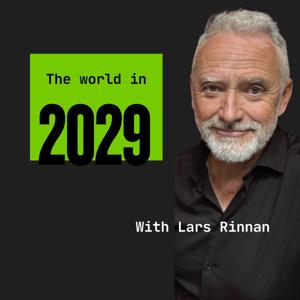
In this conversation, Lars Rinnan and Alex Moltzau dive into the complexities of AI regulation, particularly within the European context.
Alex Moltzau is a former policy officer at the European AI Office and spent two years at the center of EU regulation of AI.
They discuss the philosophical underpinnings of why AI should be regulated, the challenges posed by the rapid evolution of AI technologies, and the geopolitical dynamics influencing regulatory frameworks. The conversation also touches on misconceptions surrounding the EU AI Act, the importance of human rights in policy-making, and the need for measurement standards in AI. They explore the implications of open-source AI models, the intersection of AI with social democracy, and the future of data control and portability.
Ultimately, they envision a more organized regulatory landscape by 2029 that prioritizes safety and innovation while addressing the challenges posed by AI.
Takeaways:
-AI is evolving faster than regulation can keep up.
-The philosophy of regulation is rooted in defining a good life.
-Regulation aims to establish common rules for technology use.
-Geopolitical dynamics significantly impact AI policy discussions.
-Human rights are central to the EU's regulatory framework.
-Misconceptions about the EU AI Act can hinder innovation.
-Self-regulation by AI companies is often insufficient.
-Open-source AI models present unique regulatory challenges.
-Data control and portability remain complex issues.
-A vision for 2029 includes better-organized AI regulations.
Chapters:
00:00 Introduction to AI Regulation and Its Importance
04:10 The Challenges of Regulating Rapidly Evolving AI
08:01 Geopolitical Dynamics in AI Regulation
12:32 Misconceptions and the Cooling Effect of Regulation
16:59 The Competence Behind AI Regulation
21:31 Key Risks and Areas of Focus in AI Regulation
25:49 The Role of Truth and Authenticity in AI Generated Content
35:22 The Role of AI in Customer Interactions
39:19 Self-Regulation vs. Government Oversight
40:48 Europe's Position in the Global AI Race
45:11 Regulatory Challenges in AI
49:55 The Impact of Open Source AI Models
53:56 Data Ownership and Control
58:10 Intellectual Property Rights in the Age of AI
01:06:33 Envisioning AI Regulation in 2029