
Sign up to save your podcasts
Or

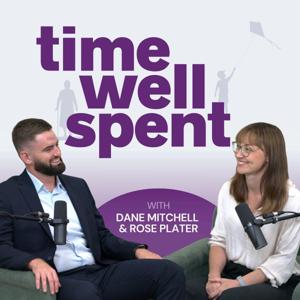


Today, Australia is 11,000 registered nurses short. Yet every provider is being held to 44 RN minutes per resident per day, and the government's own modelling says it can't be done.
We speak with Duncan McKimm, CEO of Clarence Village, whose facility went from compliant to non-compliant overnight without anything changing on the floor. We talk about why quality indicators haven't moved despite a 30% jump in costs, dignity of risk done properly, and the NDIS playbook for unlocking aged care's political power.
As Duncan puts it, we should aim to be vaguely right instead of precisely wrong. Listen now.
Key moments:
00:00: Why Australia Doesn’t Have Enough Nurses to Meet Its Own Care-Minute Rules
2:14: How Care-Minute Rules Could Leave Older Australians Without a Bed
12:40: What Aged Care Should Measure Instead of Staff Minutes
19:20: Why Aged Care Is Becoming ‘Precisely Wrong’
33:56: How Compliance Creates Perfect Documents and Not Perfect Care
42:31: Why Regional Aged Care Is Losing Beds When Demand Is Rising
45:40: Why Support at Home Won’t Solve the Regional Aged Care Crisis
52:25: How Dignity of Risk Lets Older People Keep Living Their Lives
57:01: What Person-Centred Aged Care Actually Looks Like
1:04:22: Why Real Choice Means Letting Older People Take Risks
1:07:56: What Providers Need the Aged Care Minister to Understand
1:11:19: How Communities Can Force Political Change in Aged Care
—
Find out more about Duncan's Get Better With Age Australia campaign at getbetterwithageaustralia.com.au.
Connect with Dane and Rose or the Podcast on Linkedin.
https://www.linkedin.com/in/dane-mitchell-763ba524
https://www.linkedin.com/in/rose-plater-0a111a129
https://www.linkedin.com/company/time-well-spent-podcast
If you want to book a free Reablement Planning Workshop with Optimum Allied Health, visit www.opthealth.com.au/tws
If you’re starting to scope out your next project, get in touch with Paynters over at www.paynters.com.au
If you are building a new care facility today, or embedding care into an existing village, you should talk to Eevi. Visit eevi.life or call 1300 802 738.
A 74-year-old was reported for a "new behaviour." It was 60 years new…
Live from the Ageing Australia Conference, we’re joined with Melissa Argent from Rockpool and Vicki Cain, dementia specialist with 41 years in the sector, about sex and intimacy as a right under Standard 1, not a risk to manage.
We get into where the new Aged Care Act leaves providers exposed, and the tension between naming intimacy as a right while still carrying a mandatory duty to report. Real cases come up throughout. Residents who found love again with advanced dementia, a resident who arranged intimate support near end of life, and the built environment problems most facilities were never designed to solve.
Live Q&A included.
Key moments:
4:10: How one provider handled two residents who believed they were married
06:28: Who the SIRS report should actually be about
9:18: Why a dying resident planned to book a motel
12:14: The advanced directive most providers haven’t thought through
12:44: The real answer to content in the “gray zone”
17:55: What provides miss when they report “new behaviour” in older residents
21:50: What your building is telling residents about permission
23:31: What a family actually needed when a resident found new love
25:26: What a POA can’t actually override
—
Connect with Dane and Rose or the Podcast on Linkedin.
https://www.linkedin.com/in/dane-mitchell-763ba524
https://www.linkedin.com/in/rose-plater-0a111a129
https://www.linkedin.com/company/time-well-spent-podcast
If you want to book a free Reablement Planning Workshop with Optimum Allied Health, visit www.opthealth.com.au/tws
If you’re starting to scope out your next project, get in touch with Paynters over at www.paynters.com.au
If you are building a new care facility today, or embedding care into an existing village, you should talk to Eevi. Visit eevi.life or call 1300 802 738.
Most providers know what to do when someone wants to come into aged care. Almost nobody has a process for what happens when someone wants to leave.
Derek Tuffield, interim CEO of Clifton Aged Care, found that out when a resident, Greg, stopped him in the corridor and asked: "How long do I have to be here?"
In today's episode we talk with Derek and resident Greg about what it actually takes to walk a resident back out the door. We get into guardianship, the "stepping stone" thinking, and the gap that leaves people like Greg stuck because no one's built a pathway out.
Key moments:
00:00: Why small providers are running out of road
14:54: What the real difference is between Board member to CEO
19:00: One resident's question… “How long do i have to be here”
22:06: How do you build a way out that doesn’t exist yet
34:55: What most managers would have done when someone asks to leave
36:47: What family involvement actually looks like in Guardianship cases
—
Connect with Dane and Rose or the Podcast on Linkedin.
https://www.linkedin.com/in/dane-mitchell-763ba524
https://www.linkedin.com/in/rose-plater-0a111a129
https://www.linkedin.com/company/time-well-spent-podcast
If you want to book a free Reablement Planning Workshop with Optimum Allied Health, visit www.opthealth.com.au/tws
If you’re starting to scope out your next project, get in touch with Paynters over at www.paynters.com.au
If you are building a new care facility today, or embedding care into an existing village, you should talk to Eevi. Visit eevi.life or call 1300 802 738.
We've spent nine months listening to the people actually running aged care in this country. Here's what we'd tell the minister if we had five minutes.
In today's episode we distil nine months of guest conversations into six direct policy asks for the Minister for Aged Care, Hon Sam Rae. From letting good operators prove better models of care, to scrapping star ratings and fixing care minutes for good, this is the open letter the sector has been waiting to send.
As it stands, we need a new aged care home every three days for the next 20 years. Last year, we built around 800 beds. The maths doesn't work, and neither does pretending it will fix itself. If you're a provider, board member, or policymaker trying to make sense of where this sector is headed, these are the six changes we believe matter most.
Key moments:
00:00: What 9 months of conversations has taught us about the state of Aged Care In Australia
7:37: What a 90% death rate in residential care actually tells us
11:13: Why good operations need a legal way to prove a better model
14:22: Why care minted don’t measure what actually matters
17:06: What a 2025 study found when it tested care minutes against outcomes
26:34: Why CHSP needs to be saved, not scrapped
26:50: What it would actually cost to fund Aged Care properly
36:38: Why the start ratings aren’t relevant
37:40: Dear Minister, do the 6 things and fix the future of Aged Care in Australia
—
Connect with Dane and Rose or the Podcast on Linkedin.
https://www.linkedin.com/in/dane-mitchell-763ba524
https://www.linkedin.com/in/rose-plater-0a111a129
https://www.linkedin.com/company/time-well-spent-podcast
If you want to book a free Reablement Planning Workshop with Optimum Allied Health, visit www.opthealth.com.au/tws
If you’re starting to scope out your next project, get in touch with Paynters over at www.paynters.com.au
If you are building a new care facility today, or embedding care into an existing village, you should talk to Eevi. Visit eevi.life or call 1300 802 738.
We're choosing to underfund aged care, and as a society, we're choosing to look away.
Melissa Argent and Adrian Morgan join us again to dig into why aged care still isn't the election issue it should be. Why we're not short on money but short on the political courage to talk about where it should go.
Nothing is off the table: profit, bureaucracy, policy, and the CHSP elephant nobody has a plan for, plus the uncomfortable truth that none of us think about this until it's our own family in the system.
Key moments:
00:00 Why is "Profit" treated like a dirty word in Aged Care
10:40 Why are two hospitals full of people with nowhere to go
20:34 How did a $70 million building end up sitting empty
39:40 What happens when the Government only funds 60% of your care
43:38 The conversation no one is having… Why we keep choosing to underfund Aged Care
55:17 Why the industry needs to start telling its own story
55:23 Why are care minutes useless
59:52 How do you eat an elephant? Inside the CHSP's looming deadline
01:16:09 We are not coping. The steps we need to take to fix things
—
Connect with Dane and Rose or the Podcast on Linkedin.
https://www.linkedin.com/in/dane-mitchell-763ba524
https://www.linkedin.com/in/rose-plater-0a111a129
https://www.linkedin.com/company/time-well-spent-podcast
If you want to book a free Reablement Planning Workshop with Optimum Allied Health, visit www.opthealth.com.au/tws
If you’re starting to scope out your next project, get in touch with Paynters over at www.paynters.com.au
If you are building a new care facility today, or embedding care into an existing village, you should talk to Eevi. Visit eevi.life or call 1300 802 738.
The board didn't think the organisation would survive. Almost 5 years later, St Andrew's is approaching $50M turnover, operating above 98% occupancy across three facilities, and developing one of the more interesting dementia care models in Australia.
In today’s episode, Dane and Rose talk to Todd Yourell, CEO of St Andrews and discuss what that transformation actually looked like. From a surprise ACQSC visit that uncovered 82 unmet standards, to building a small house model for dementia care.
St Andrew’s is a case study in what community-owned aged care can look like when it's run well. And it's a direct counter-argument to the narrative that small regional providers can't survive.
Key moments:
00:00: What does good community-owned aged care actually look like
1:26: How a surprise ACQSC visit uncovered 82 unmet standards
3:44: What the board governance overhaul at St Andrew’s involved and why it’s changed everything
12:27: How St Andrew's decided to divest their home care business before Support at Home got complicated
15:09: What the difference between viable and sustainable actually means for small and mid-size providers
23:39: What the small house model actually means for dementia care and how staff went from sceptical to bought in
35:44: How St Andrew's turned a 40-bed Byron Bay facility into a homelessness response that stacks up financially
46:21: What change leadership looks like versus change management
52:27: What the future of aged care requires providers to be building toward right now
—
Connect with Dane and Rose or the Podcast on Linkedin.
https://www.linkedin.com/in/dane-mitchell-763ba524
https://www.linkedin.com/in/rose-plater-0a111a129
https://www.linkedin.com/company/time-well-spent-podcast
If you want to book a free Reablement Planning Workshop with Optimum Allied Health, visit www.opthealth.com.au/tws
If you’re starting to scope out your next project, get in touch with Paynters over at www.paynters.com.au
As two people who work in aged care, there is a lot we’re not happy with in this industry… And if we’re honest, there are things we’re scared could happen to us one day too.
In this episode, we wanted to get personal about what we think the aged care industry needs to do if people are going to have a meaningful life in residential aged care.
This conversation is shaped by our personal thoughts and fears, but also by what we’ve seen in the sector, the conversations we’ve had with residents, and the experiences we’ve witnessed firsthand.
It’s about the things we’re scared of, the moments that give us hope, and what it would take for aged care to feel like a place where people are still known, valued and able to live as themselves.
Key moments:
0:00 - What we’re most scared of when we think about ageing and entering residential care as it exists today
6:18 - How do we design resident rooms in a way that feels personal without becoming infantilising?
11:43 - The uncomfortable reality of incontinence, dignity and what personal care can give back to someone
18:02 - Why the level of documentation in aged care could feel humiliating if residents truly saw what was being recorded
20:00 - The aged care homes that gave us genuine hope this year
27:53 - What Dane has started to see differently after a year of deeper conversations on the podcast
29:43 - The controversial conversations aged care might have ignored five years ago, and why we need to keep having them
32:37 -What the public still gets wrong about aged care in Australia
36:18 - The things providers celebrate that don’t matter to the person living in the home at all
38:50 - One practical change leaders and care teams could make tomorrow after listening to this episode
—
Connect with Dane and Rose or the Podcast on Linkedin.
https://www.linkedin.com/in/dane-mitchell-763ba524
https://www.linkedin.com/in/rose-plater-0a111a129
https://www.linkedin.com/company/time-well-spent-podcast
If you want to book a free Reablement Planning Workshop with Optimum Allied Health, visit www.opthealth.com.au/tws
If you’re starting to scope out your next project, get in touch with Paynters over at www.paynters.com.au
Australia needs more aged care beds, more home care capacity, more workforce, more investment and more innovation.
But the data is starting to show a much harder question: who is actually in a position to deliver it?
Today, Dane and Rose are sitting down with Lauren Ffrost from KPMG to unpack the 2026 Aged Care Market Analysis and what it reveals about the pressure building across the sector.
They get into why no new residential aged care providers entered the market, what the home care waitlist is telling us, why self-managed care is growing so quickly, what investors are starting to see again, and whether technology and AI are becoming essential to provider sustainability.
Key moments:
0:00 - How KPMG’s Aged Care Market Analysis pulls together the public data providers are using to understand where the sector is actually heading
4:13 - The two numbers that stood out to Lauren in this year’s report
7:42 - Why the home care waitlist has jumped 41% in a year…
10:34 - What regional and remote aged care might need if one-size-fits-all funding keeps missing what’s actually happening in the sector
12:39 - What Trilogy’s rapid growth reveals about what older Australians are wanting out of Aged Care
15:43 - Why providers without these three things may find themselves falling further behind
19:31 - What has to shift if Australia needs tens of thousands of new aged care beds, but almost no one is building them?
27:45 - Why Lauren believes good care should naturally lead to compliance… and what it could look like if regulation moved closer to continuous improvement
32:37 - Why investors are starting to look at aged care again
36:51 - What Lauren would want the government to hear from providers about funding, infrastructure, technology and the cost of administrative burden
43:04 - How smaller providers can start looking for grant funding and support, especially in regional, rural and First Nations communities
43:48 - The one thing Lauren thinks every aged care executive should be asking about after reading the 2026 report
If you want to check out the Report for yourself, click here.
—
Connect with Dane and Rose or the Podcast on Linkedin.
https://www.linkedin.com/in/dane-mitchell-763ba524
https://www.linkedin.com/in/rose-plater-0a111a129
https://www.linkedin.com/company/time-well-spent-podcast
If you want to book a free Reablement Planning Workshop with Optimum Allied Health, visit www.opthealth.com.au/tws
If you’re starting to scope out your next project, get in touch with Paynters over at www.paynters.com.au
Most providers are already spending money on physio and reablement, but the bigger question is whether residents, families and leadership teams can actually see the value of what’s being delivered.
In this episode, Rose turns the mic on Dane and his Operations Manager and Physio, Michael, to talk about what reablement looks like inside residential aged care, what the Act now requires providers to put in place, and how physio has shifted since the move from ACFI to AN-ACC.
They also talk through what CEOs, boards and CFOs should be looking for in reporting, how to measure whether a program is actually improving outcomes, and why families are increasingly asking what support is available to help mum or dad maintain mobility, strength and independence.
Key moments:
0:00 - What does good reablement look like in aged care
3:09 - What physios are actually doing inside a 100-bed aged care home, and why it’s much more than running an exercise class
4:52 - How the shift from ACFI to AN-ACC changed physio from a funding exercise into a more clinically focused service
12:04 - What the Act actually requires providers to put in place around reablement
15:22 - What the evidence says about reablement outcomes, including the falls, strength and mobility improvements providers should be paying attention to
18:01 - What CEOs and board members should be asking when they look at physio hours, clinical indicators and monthly reporting
23:29 - Why providers may already be delivering valuable reablement work, while still missing the chance to show families and residents what’s happening
27:36 - Whether you really need a gym to run a reablement program, and what a provider could start with on a small equipment budget
34:09 - Advice for CFOS who want to understand whether their physio spend is actually going towards therapy, maintenance or core clinical tasks
35:36 - If reablement works, why hasn’t it become the core model of aged care in Australia?
37:08 - Case study of a resident who moved from a walker to being able to walk independently
39:04 - The one message Dane wants every residential aged care CEO to hear about the value they may already be providing
If you want to book a free Reablement Planning Workshop with Optimum Allied Health, visit www.opthealth.com.au/tws
—
Visit www.thepurefoodco.com to hear more about how The Pure Food Co could help with your meal service.
Connect with Dane and Rose or the Podcast on Linkedin.
https://www.linkedin.com/in/dane-mitchell-763ba524
https://www.linkedin.com/in/rose-plater-0a111a129
https://www.linkedin.com/company/time-well-spent-podcast
If you’re starting to scope out your next project, get in touch with Paynters over at www.paynters.com.au
We don’t like to think of aged care as oppressive.
The people working in it care deeply. Most homes are doing their best with tight margins and limited time.
But what if some of the buildings themselves are still carrying a legacy we haven’t properly questioned?
In this episode, Rose goes back to where it all began - when dementia wasn’t treated as a condition, but as something shameful. Something to be hidden. Controlled. Locked away.
And then she asks a harder question: if our systems were built during that era… how much of that thinking is still baked into the way we design today?
Key moments:
0:00 - Where this history of oppression in aged care actually comes from
7:46 - What changed for Rose after spending a night in residential care
19:27 - The institutional design choices we’re still carrying into modern homes
21:46 - Where should we be drawing the line between safety and control
27:38 - What reablement spaces should look like in an aged care facility
—
Find out how your organisation is performing with Stewart Brown by visiting www.stewartbrown.com.au/financial-surveys
Connect with Dane and Rose or the Podcast on Linkedin.
https://www.linkedin.com/in/dane-mitchell-763ba524
https://www.linkedin.com/in/rose-plater-0a111a129
https://www.linkedin.com/company/time-well-spent-podcast
If you want to book a free Reablement Planning Workshop with Optimum Allied Health, visit www.opthealth.com.au/tws
If you’re starting to scope out your next project, get in touch with Paynters over at www.paynters.com.au