Tipiṭaka

Tipiṭaka

By Edward ReibEducation
Download on the App Store

Tipiṭaka episodes

  • Buddhist Books: TIPIṬAKA - Part 88: Suttavibhaṅga, Sekhiyā Dhammā 51-75
    This is Part 88 of my recital of the "Tipiṭaka," the "Three Baskets" of pre-sectarian Buddhism, as translated into English from the original Pali Language. In this episode, we'll finish reading "Sekhiyā Dhammā," the seventh part of "Suttavibhaṅga," which is the first part of the "Vinaya Piṭaka," the first of the three "Piṭaka," or "Baskets." "Suttavibhaṅga" means "Rule Analysis," and "Sekhiyā Dhammā" literally means "Good Behaviour" or "Etiquette" referring to the offences of wrong doing.
    1 hr 14 min
  • Buddhist Books: TIPIṬAKA - Part 87: Suttavibhaṅga, Sekhiyā Dhammā 41-50
    This is Part 87 of my recital of the "Tipiṭaka," the "Three Baskets" of pre-sectarian Buddhism, as translated into English from the original Pali Language. In this episode, we'll continue reading "Sekhiyā Dhammā," the seventh part of "Suttavibhaṅga," which is the first part of the "Vinaya Piṭaka," the first of the three "Piṭaka," or "Baskets." "Suttavibhaṅga" means "Rule Analysis," and "Sekhiyā Dhammā" literally means "Good Behaviour" or "Etiquette" referring to the offences of wrong doing.
    26 min
  • Buddhist Books: TIPIṬAKA - Part 86: Suttavibhaṅga, Sekhiyā Dhammā 31-40
    This is Part 86 of my recital of the "Tipiṭaka," the "Three Baskets" of pre-sectarian Buddhism, as translated into English from the original Pali Language. In this episode, we'll continue reading "Sekhiyā Dhammā," the seventh part of "Suttavibhaṅga," which is the first part of the "Vinaya Piṭaka," the first of the three "Piṭaka," or "Baskets." "Suttavibhaṅga" means "Rule Analysis," and "Sekhiyā Dhammā" literally means "Good Behaviour" or "Etiquette" referring to the offences of wrong doing.
    28 min
  • Buddhist Books: TIPIṬAKA - Part 85: Suttavibhaṅga, Sekhiyā Dhammā 21-30
    This is Part 85 of my recital of the "Tipiṭaka," the "Three Baskets" of pre-sectarian Buddhism, as translated into English from the original Pali Language. In this episode, we'll continue reading "Sekhiyā Dhammā," the seventh part of "Suttavibhaṅga," which is the first part of the "Vinaya Piṭaka," the first of the three "Piṭaka," or "Baskets." "Suttavibhaṅga" means "Rule Analysis," and "Sekhiyā Dhammā" literally means "Good Behaviour" or "Etiquette" referring to the offences of wrong doing.
    18 min
  • Buddhist Books: TIPIṬAKA - Part 84: Suttavibhaṅga, Sekhiyā Dhammā 11-20
    This is Part 84 of my recital of the "Tipiṭaka," the "Three Baskets" of pre-sectarian Buddhism, as translated into English from the original Pali Language. In this episode, we'll continue reading "Sekhiyā Dhammā," the seventh part of "Suttavibhaṅga," which is the first part of the "Vinaya Piṭaka," the first of the three "Piṭaka," or "Baskets." "Suttavibhaṅga" means "Rule Analysis," and "Sekhiyā Dhammā" literally means "Good Behaviour" or "Etiquette" referring to the offences of wrong doing.
    18 min
  • Buddhist Books: TIPIṬAKA - Part 83: Suttavibhaṅga, Sekhiyā Dhammā 1-10
    This is Part 83 of my recital of the "Tipiṭaka," the "Three Baskets" of pre-sectarian Buddhism, as translated into English from the original Pali Language. In this episode, we'll begin reading "Sekhiyā Dhammā," the seventh part of "Suttavibhaṅga," which is the first part of the "Vinaya Piṭaka," the first of the three "Piṭaka," or "Baskets." "Suttavibhaṅga" means "Rule Analysis," and "Sekhiyā Dhammā" literally means "Good Behaviour" or "Etiquette" referring to the offences of wrong doing.
    28 min
  • Buddhist Books: TIPIṬAKA - Part 82: Suttavibhaṅga, Pāṭidesaniya IV
    This is Part 82 of my recital of the "Tipiṭaka," the "Three Baskets" of pre-sectarian Buddhism, as translated into English from the original Pali Language. In this episode, we'll finish reading "Pāṭidesaniya," the sixth part of "Suttavibhaṅga," which is the first part of the "Vinaya Piṭaka," the first of the three "Piṭaka," or "Baskets." "Suttavibhaṅga" means "Rule Analysis," and "Pāṭidesaniya" literally means "Confession," referring to transgressions which must be confessed.

    26 min
  • Buddhist Books: TIPIṬAKA - Part 81: Suttavibhaṅga, Pāṭidesaniya III
    This is Part 81 of my recital of the "Tipiṭaka," the "Three Baskets" of pre-sectarian Buddhism, as translated into English from the original Pali Language. In this episode, we'll continue reading "Pāṭidesaniya," the sixth part of "Suttavibhaṅga," which is the first part of the "Vinaya Piṭaka," the first of the three "Piṭaka," or "Baskets." "Suttavibhaṅga" means "Rule Analysis," and "Pāṭidesaniya" literally means "Confession," referring to transgressions which must be confessed.
    35 min
  • Buddhist Books: TIPIṬAKA - Part 80: Suttavibhaṅga, Pāṭidesaniya II
    This is Part 80 of my recital of the "Tipiṭaka," the "Three Baskets" of pre-sectarian Buddhism, as translated into English from the original Pali Language. In this episode, we'll continue reading "Pāṭidesaniya," the sixth part of "Suttavibhaṅga," which is the first part of the "Vinaya Piṭaka," the first of the three "Piṭaka," or "Baskets." "Suttavibhaṅga" means "Rule Analysis," and "Pāṭidesaniya" literally means "Confession," referring to transgressions which must be confessed.
    19 min
  • Buddhist Books: TIPIṬAKA - Part 79: Suttavibhaṅga, Pāṭidesaniya I
    This is Part 79 of my recital of the "Tipiṭaka," the "Three Baskets" of pre-sectarian Buddhism, as translated into English from the original Pali Language. In this episode, we'll begin reading "Pāṭidesaniya," the sixth part of "Suttavibhaṅga," which is the first part of the "Vinaya Piṭaka," the first of the three "Piṭaka," or "Baskets." "Suttavibhaṅga" means "Rule Analysis," and "Pāṭidesaniya" literally means "Confession," referring to transgressions which must be confessed.

    23 min

About Tipiṭaka

From the publisher's feed

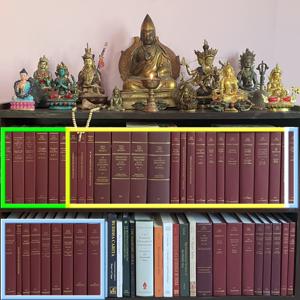
Edward Reib recites the entire Tipiṭaka (or Tripitaka) translated from the original Pali language directly into English, with light commentary.
