Torah Classes

Torah Classes

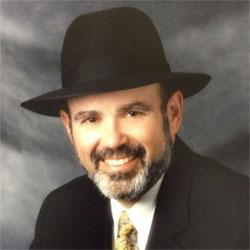
By Marty GoodmanEducation
Download on the App Store

Torah Classes episodes

  • Vayikra 1
    Chp. 1 verse 1: Introduction and connection to previous book and sedra. Hashem calls out to Moshe. Why the small "Aleph." Why did Hashem have to call him?
    35 min
  • Vayikra 8
    Chp. 4 verses 1 - 26: The sin offering of the High Priest. The sin offering of the community because of the high court. Sin offering for the King.
    34 min
  • Vayikra 5
    Chp. 1 verses 15 - 17 Chp. 2 verse 1: Continues with the "Olah" the burnt offering of the bird. Description and explanation of the ritual of "Melika." The priest cuts with his nail against the nape of the neck of the bird and cuts its neck until he reaches the windpipe and the gullet. The blood is pressed against the wall of the alter. The crop is removed and thrown on the east side of the ramp of the alter. Then the bird with its wing feathers are burnt on the alter. Chp. 2, begins with the meal offering which is brought from fine flour, oil, and frankincense.
    36 min
  • Vayikra 6
    Chp. 2 verses 2 - 13: Continues with the "Minchah" meal offering. Which consisted of fine flour, oil, frankincense, and salt. There were five different ways that the offering could be prepared. This corresponded to the five live sacrifices that a person could bring, so that the poor man would feel proud of the gift that he was offering to Hashem. The prohibition of bringing any leaven or honey (fruit juice) on the alter. Finishes with the command that all sacrifices must be brought with salt.

    33 min
  • Vayikra 3
    Chp. 1 verses 3 - 7: The ritual of the "Olah" burnt offering of a male cattle. The slaughtering, the placing of the hands on the animal, the collection of the blood, the sprinkling of the blood on the four corners of the alter. Then the animal is skinned and cut into pieces and the priest places it on the fire.
    42 min
  • Ki Tisa-1
    Chp. 30 verses 11 - 21: Introduction, Instructions for a census. The giving of the half shekel would be an atonement for their souls, when they would be counted. It would be given by all males from the age of twenty years and up. The rich could not give more nor the poor give less then the half shekel. It would be used for communal sacrifices. Continues with the washstand " kiyor." It was made out of brass and was placed between the Copper Alter and the Tabernacle. The priests were commanded to wash their hands and their feet whenever they would serve either at the alter or in the Tabernacle. This was in addition to purifying themselves in the Mikvah. If they failed to wash their were culpable of the death penalty.
    46 min
  • Ki Tisa 7
    Chp. 32 verses 15 - 26: Moshe descends from the mountain and he is carrying the two tablets of testimony in his hands. They are engraved with the writing of Hashem on them. Moshe meets Yehoshua at the bottom of the mountain and he says that he hears the noise of war in the camp. Moshe corrects him and says that it is the sound of singing. When Moshe sees the golden calf he becomes angry and he breaks the tablets. He takes the calf and grounds it up into a powder and has the people drink it. He then questions Aaron about why he made the calf? Aaron tells him what the people said to him and that he told them to bring their gold and he threw it in the fire and out came the calf. Moshe saw that the people had become unrestrained and he stood at the gate of the camp and said whoever is for G-d come to me and the whole tribe of Levi came.
    38 min
  • Ki Tisa 5
    Chp. 32 verses 1 - 5: Moshe is late returning from the mountain, the people, mostly the mixed multitude insist that Aaron make a golden calf for them. He tells them to take the earrings from their wives and children hoping that it would cause a delay but they immediately bring him their own earrings. He takes the gold from them and fashions a golden calf and he throws it into the fire and through sorcery and the emulate of Micah out comes a walking and talking golden calf. The mixed multitude says to the children of Israel that ."these are your gods Israel that brought you out of the land of Egypt." Aaron then begins to build an alter before it and proclaims, "that tomorrow shall be a holiday to Hashem."
    44 min
  • Ki Tisa 3
    Chp. 31 verses 4 - 14: Continues with describing Bezalel's talents and his knowledge of weaving, metal work, stone and wood cutting and all types of crafts necessary for the construction of the Mishkan. His assistant was Oholiab the son of Achisamach of the tribe of Dan. The portion then lists all the things that he was involved with. The portion continues with Hashem commanding Moshe to speak to the children of Israel and tell them to keep the Shabbos. It would be a sign between them and Hashem for generations. Also a warning that anyone who desecrates the Shabbos would be put to death and that his soul would be cut off from his people.
    39 min
  • Ki Tisa 12
    Chp. 34 verses 22 - 35: Continues with the holidays of Shavuoth and Succoth. A command for all male members of the nation to present themselves before Hashem three times a year. A promise that while they were gone no one would covet their land. A command not to slaughter the pascal offering with leaven in your possession, and to not leave any of it over until morning. A command to bring the first fruits and not to cook a kid in its mothers milk. Moshe returns from his forty days and nights on the mountain; he did not eat or drink during his stay. He came down with the second set of tablets that had on them the ten commandments written by the hand of Hashem. He did not realize that his face shone with the radiance of Hashem. When the people saw this brilliant light they were afraid to approach him. Moshe therefore called Aaron, the elders, and all the people and he instructed them regarding what Hashem had told him on Mount Sinai. When he finished speaking he covered his face with a veil. Whenever he spoke to
    40 min

About Torah Classes

From the publisher's feed

Torah classes covering the weekly Torah Portion in depth