
Sign up to save your podcasts
Or

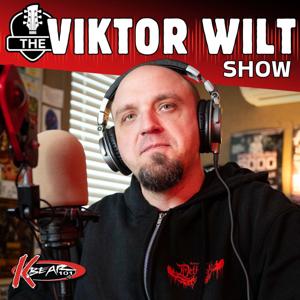

This episode of Traffic School begins like a caffeine-fueled fever dream inside a radio studio where productivity goes to die. Viktor rolls in sounding like a man who has already emotionally clocked out for the day, complaining about his chaotic morning, the mountain of work his boss dumped on him before disappearing, and the impending financial devastation caused by purchasing extremely expensive Nine Inch Nails tickets. Meanwhile, the show immediately devolves into the hosts openly begging listeners to call in because otherwise Viktor will simply sit there panic-multitasking while pretending to work. It’s a chaotic opening that sets the tone for the entire broadcast: part traffic education, part public meltdown.
Lieutenant Crane then drops the first piece of actually useful information like a responsible adult trying to maintain order in a daycare center full of sugar-addicted children. Traffic between Rexburg and Idaho Falls has essentially doubled over the past decade—from roughly 15–25 thousand cars per day in 2015 to a jaw-dropping 44,000 vehicles daily. This revelation explains why everyone on the road now behaves like they’re competing in a Mad Max qualifying round. The discussion spirals into the “Move Over Law,” which Viktor immediately gets wrong in spectacular fashion before Crane patiently explains that if emergency vehicles are on the shoulder, drivers must move over to the next lane—or slow down 15 mph under the speed limit if moving over isn’t possible. Apparently, many drivers interpret this law as “panic, stop, signal, and create a miles-long traffic jam,” which defeats the entire purpose and turns the freeway into a slow-motion demolition derby.
The conversation then swings wildly between traffic safety and complete nonsense, including conspiracies about police secretly working for drug cartels. One bar patron apparently tried convincing Viktor that law enforcement officers are all secretly collaborating with criminals like some kind of low-budget crime thriller. Crane calmly responds that if he were secretly making cartel money, he probably wouldn’t still be working overtime answering radio calls and dealing with chaos on Idaho highways. This brief flirtation with conspiracy theory is followed by a historical tangent about corrupt police departments in the 80s and 90s where officers allegedly collected multiple paychecks under fake identities—because apparently identity fraud was easier before computers existed.
Callers begin flooding in with questions ranging from legitimate road safety issues to pure chaos. One listener asks about highway closures during windstorms, which prompts a story about a nine-car pileup caused by visibility issues and blowing dust on I-15. Another caller brags about being a California transplant, triggering the show’s recurring debate about whether Idaho is secretly turning politically blue due to incoming migrants. Viktor attempts to defend himself from accusations of being a liberal simply by citing news articles, which somehow makes people even more suspicious of him.
Things continue spiraling when “Crazy Carl” calls in while cooking a massive breakfast for a work crew like some kind of blue-collar diner owner broadcasting from his kitchen. He casually asks about wind speed regulations for highway closures, which turns into a discussion about visibility thresholds and semi-trucks getting stuck attempting ill-advised U-turns in muddy terrain. Meanwhile, Viktor announces he’ll be the designated driver for the Nine Inch Nails concert later that night, presumably powered entirely by energy drinks and questionable decision-making.
The show then reaches peak absurdity when Viktor is caught secretly watching videos about how to cut bread while pretending to multitask during the broadcast. The other hosts immediately roast him mercilessly, turning the entire program into an impromptu baking tutorial interrogation. Callers start phoning in not with traffic questions—but to ask Viktor how he slices bread. What began as a radio segment about highway safety somehow devolves into a public investigation into whether the host knows how to properly cut baked goods.
The final calls return briefly to traffic law, including questions about why officers drive in the left lane and why people speeding through construction zones aren’t constantly pulled over. Crane explains radar positioning, traffic flow safety, and the legal reality that even if you’re speeding slightly, blocking faster traffic behind you can still count as impeding traffic. This revelation horrifies one caller who thought driving 69 mph in a 65 mph construction zone made him the moral authority of the freeway.
As the episode winds down, the hosts attempt to reclaim some dignity by reminding listeners to obey the move-over law and pay attention while driving instead of watching YouTube videos behind the wheel. Ironically, this advice comes moments after Viktor was caught watching bread-cutting tutorials during the show. The broadcast closes with a promise that next week’s program might apparently cover culinary arts, crème brûlée, and other topics only loosely connected to traffic safety—cementing the show’s legacy as the most chaotic driver education class ever aired on public radio.
 View all episodes
 By Viktor Wilt
This episode of Traffic School begins like a caffeine-fueled fever dream inside a radio studio where productivity goes to die. Viktor rolls in sounding like a man who has already emotionally clocked out for the day, complaining about his chaotic morning, the mountain of work his boss dumped on him before disappearing, and the impending financial devastation caused by purchasing extremely expensive Nine Inch Nails tickets. Meanwhile, the show immediately devolves into the hosts openly begging listeners to call in because otherwise Viktor will simply sit there panic-multitasking while pretending to work. It’s a chaotic opening that sets the tone for the entire broadcast: part traffic education, part public meltdown.
Lieutenant Crane then drops the first piece of actually useful information like a responsible adult trying to maintain order in a daycare center full of sugar-addicted children. Traffic between Rexburg and Idaho Falls has essentially doubled over the past decade—from roughly 15–25 thousand cars per day in 2015 to a jaw-dropping 44,000 vehicles daily. This revelation explains why everyone on the road now behaves like they’re competing in a Mad Max qualifying round. The discussion spirals into the “Move Over Law,” which Viktor immediately gets wrong in spectacular fashion before Crane patiently explains that if emergency vehicles are on the shoulder, drivers must move over to the next lane—or slow down 15 mph under the speed limit if moving over isn’t possible. Apparently, many drivers interpret this law as “panic, stop, signal, and create a miles-long traffic jam,” which defeats the entire purpose and turns the freeway into a slow-motion demolition derby.
The conversation then swings wildly between traffic safety and complete nonsense, including conspiracies about police secretly working for drug cartels. One bar patron apparently tried convincing Viktor that law enforcement officers are all secretly collaborating with criminals like some kind of low-budget crime thriller. Crane calmly responds that if he were secretly making cartel money, he probably wouldn’t still be working overtime answering radio calls and dealing with chaos on Idaho highways. This brief flirtation with conspiracy theory is followed by a historical tangent about corrupt police departments in the 80s and 90s where officers allegedly collected multiple paychecks under fake identities—because apparently identity fraud was easier before computers existed.
Callers begin flooding in with questions ranging from legitimate road safety issues to pure chaos. One listener asks about highway closures during windstorms, which prompts a story about a nine-car pileup caused by visibility issues and blowing dust on I-15. Another caller brags about being a California transplant, triggering the show’s recurring debate about whether Idaho is secretly turning politically blue due to incoming migrants. Viktor attempts to defend himself from accusations of being a liberal simply by citing news articles, which somehow makes people even more suspicious of him.
Things continue spiraling when “Crazy Carl” calls in while cooking a massive breakfast for a work crew like some kind of blue-collar diner owner broadcasting from his kitchen. He casually asks about wind speed regulations for highway closures, which turns into a discussion about visibility thresholds and semi-trucks getting stuck attempting ill-advised U-turns in muddy terrain. Meanwhile, Viktor announces he’ll be the designated driver for the Nine Inch Nails concert later that night, presumably powered entirely by energy drinks and questionable decision-making.
The show then reaches peak absurdity when Viktor is caught secretly watching videos about how to cut bread while pretending to multitask during the broadcast. The other hosts immediately roast him mercilessly, turning the entire program into an impromptu baking tutorial interrogation. Callers start phoning in not with traffic questions—but to ask Viktor how he slices bread. What began as a radio segment about highway safety somehow devolves into a public investigation into whether the host knows how to properly cut baked goods.
The final calls return briefly to traffic law, including questions about why officers drive in the left lane and why people speeding through construction zones aren’t constantly pulled over. Crane explains radar positioning, traffic flow safety, and the legal reality that even if you’re speeding slightly, blocking faster traffic behind you can still count as impeding traffic. This revelation horrifies one caller who thought driving 69 mph in a 65 mph construction zone made him the moral authority of the freeway.
As the episode winds down, the hosts attempt to reclaim some dignity by reminding listeners to obey the move-over law and pay attention while driving instead of watching YouTube videos behind the wheel. Ironically, this advice comes moments after Viktor was caught watching bread-cutting tutorials during the show. The broadcast closes with a promise that next week’s program might apparently cover culinary arts, crème brûlée, and other topics only loosely connected to traffic safety—cementing the show’s legacy as the most chaotic driver education class ever aired on public radio.