
Sign up to save your podcasts
Or

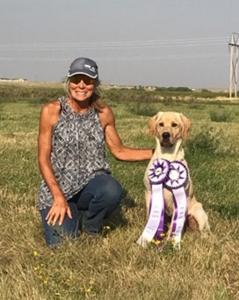


Julie Bates takes a humorous but honest look at common dog-training myths, from blaming the dog for test-day problems to inconsistent handling that confuses even top dogs.
She offers practical advice on keeping routines consistent, removing unconscious cues, rehearsing game-day behavior, and checking background and whistle clarity so you get the same dog out of the truck every time.
Julie Bates interviews Dr. Dan Kim about his journey from an adult-onset hunter to a successful amateur handler of pointing Labradors. They discuss training methods, learning through repetition, handling different dog temperaments (Dolly, Ammo, Nugget), hunting on wild birds in South Dakota, and lessons learned from tests and competition.
In this episode Julie explains how to plan and balance training when you’re working alone with a pointing Labrador or retriever. She emphasizes starting by assessing your own mindset and the dog’s condition, then tailoring sessions to the dog’s level of interest — from high-energy “fire-breathing” dogs to moderately interested ones.
Key components covered are maintaining responsiveness and obedience, structuring retrieves, blinds and upland work, using varied and challenging drills, and keeping training engaging rather than repetitive. The episode ends with practical tips on sequencing activities, recognizing health issues, and preserving the trainer–dog connection for consistent progress.
Julie Bates shares practical, no-nonsense advice for raising pointing Labrador puppies: set clear boundaries from 8 weeks, teach respect for your airspace, and use walks and simple cues to establish you as a kind, confident leader.
She emphasizes safety and consistency—avoid teaching "crazy mind," control excitement at kennels and hunts, and start polite, focused habits early so training and hunting remain enjoyable and safe.
Julie Bates interviews amateur handler Taylor Rieff about raising and training Josie, his pointing Labrador, covering puppy basics, force fetch, bird introductions, handling drills, and the value of a supportive club.
The episode highlights a video of Josie at 9.5 months hunting quietly and steadily, and offers practical tips: short daily sessions, consistency, reading your dogs cues, and ending training on a positive note.
Julie Bates opens the episode by sharing support for handler Chris Garramone after a trailer fire injured his dogs and prompted a GoFundMe, and she previews the upcoming Triple Crown events.
She then outlines her core training philosophy: "do no harm," clearly teach expectations (heel, sit, here) and then stay quiet so hunting and competitive dogs learn to make the right decisions on their own instead of being constantly directed.
Julie Bates explains situational awareness for handlers at the line — how the walk from the holding blind, calm body language, timing, and clear connection with your dog influence performance in field trials and hunt tests.
She offers practical tips on letting dogs settle, avoiding overdriving or excessive talking, practicing fundamentals, and maintaining teamwork so dogs perform reliably on game day.
Julie Bates introduces a plan to bring amateur handlers on the podcast and focuses this episode on problem solving in dog training. She emphasizes combining pointing and retrieving training, preventing problems early, and addressing the root cause rather than just the symptom.
Through examples like vocalization, duck-rolling, popping and blind management, Julie explains why quick punishments or one-size-fits-all fixes often make things worse. She urges handlers to take ownership, watch small early signs, and consider patient, dog-aligned solutions.
Practical tips include filming your training to spot patterns, reducing nagging and unnecessary collar pressure, practicing situational awareness, and using patience-based approaches to resolve issues more effectively.
This episode is a last-minute guide for handlers heading to the American Pointing Lab Association national: what truly matters for success across the three retriever and upland days. Julie breaks down the essential components — dog skill and fundamentals, health and heat adaptation, and practical fueling and hydration.
Most importantly she emphasizes the often-overlooked role of the handler: develop situational awareness, plan your approaches, watch birds and dogs closely, and adjust calmly to the unexpected to maximize your chances over three demanding days.
Julie gives a brief update on Faith’s force‑fetch training, then explains why many handlers fail on blind retrieves at high‑level hunt tests. She covers key fundamentals—clear, consistent commands; reading the dog’s body language; avoiding wide, confusing casts (the “Etch‑A‑Sketch”); teaching purposeful location casts; slowing down to regain the dog’s focus; and viewing blinds from the dog’s perspective so you can give helpful, confident guidance.