
Sign up to save your podcasts
Or



The title of the book is SUPERIOR INTELLIGENCE: Unleashing the Spiritual and Human Intelligence for Extraordinary Living
What brought it about
It was on a day recently that the Holy Spirit gave me the word Superior Intelligence
And He asked me further that, do I know that Superior Intelligence is different from Spiritual Intelligence?
And that's how the sojourn began as I inquired from Him (the Holy Spirit) that can you explain to me what that means
He then began to expose to me that every believer is baptised with spiritual intelligence, but not all of them operate in Superior Intelligence and I asked that why?
He went further to let me know that many believers only rely on spiritual intelligence not knowing that unbelievers also have access to spiritual intelligence from the demonic dimension of the supernatural
How then can the Superior Intelligence be exhibited?
He then told me that in addition to the spiritual intelligence, believers need to seek, find and build expertise or competence in Human intelligence, which they'll now combine with the spiritual intelligence from the divine dimension of the supernatural for them to operate in the Superior Intelligence
So, in the book, I wrote that competence (human intelligence) is not enough in some places and some times
Also, spiritual intelligence may not be enough at times and in some places
Believers will now need to combine human intelligence with spiritual intelligence to produce what eyes have not seen, ears have not heard and have not entered into the hearts of men
What should people expect from it
Expect revelations, insights and enlightenment from the book
With simple words but with deep meanings and an explanation of few verses of the scripture in a way that will blow your mind and compel you to study the Word of God more
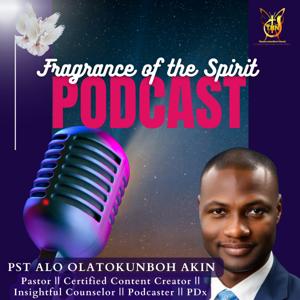
I remain your host, Alo Olatokunboh Akin
+2348036506376
STRATEGY FOR ENHANCING CREATIVITY
Understanding the Creative Process:
The creative process refers to the series of steps or stages individuals go through to generate, develop, and implement new ideas or solutions to problems. It typically involves several key stages such as inspiration or ideation, conceptualization, refinement, and execution. Understanding this process involves recognizing that creativity is not a random phenomenon but rather a structured and iterative journey where ideas evolve and take shape through a combination of imagination, exploration, and problem-solving.
Cultivating a Creative Environment:
Cultivating a creative environment involves creating conditions that foster and nurture creativity within a team, organization, or community. This includes factors such as encouraging open communication, embracing diverse perspectives, providing resources and support for experimentation, promoting autonomy and risk-taking, and fostering a culture of collaboration and innovation. A creative environment is one where individuals feel empowered to express their ideas freely, take calculated risks, and explore unconventional approaches without fear of judgment or failure.
Embracing Failure and Resilience:
Embracing failure involves recognizing that setbacks and mistakes are inherent parts of the creative process and opportunities for learning and growth. Instead of being discouraged by failure, resilient individuals and teams view it as valuable feedback that can inform future iterations and improvements. Embracing failure requires cultivating a mindset that values experimentation, perseverance, and adaptability, where failures are seen not as endpoints but as stepping stones toward success.
Balancing Structure and Flexibility:
Balancing structure and flexibility involves finding the right mix of organization and adaptability in the creative process. While structure provides a framework and guidance for creativity, too much rigidity can stifle innovation and hinder experimentation. On the other hand, excessive flexibility without any structure can lead to chaos and lack of direction. Finding the right balance requires being open to new ideas and approaches while also establishing clear goals, deadlines, and processes to keep creativity focused and productive.
Continuous Learning and Growth Mindset:
Continuous learning and a growth mindset involve recognizing that creativity is a skill that can be developed and honed over time through practice, feedback, and reflection. Individuals with a growth mindset embrace challenges, persist in the face of setbacks, and see failures as opportunities for learning and improvement. They actively seek out new knowledge and experiences, remain open to feedback and constructive criticism, and are willing to adapt and evolve their perspectives and approaches based on new information and insights. This mindset fosters a culture of lifelong learning and continuous improvement, essential ingredients for sustained creativity and innovation.
Alo Olatokunboh Akin
+2348036506376
From the publisher's feed