
Sign up to save your podcasts
Or

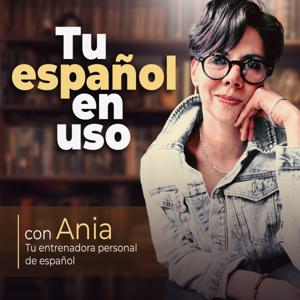


¿Estudias mucha gramática, conoces las reglas y aun así te cuesta hablar español con naturalidad?
En este episodio hablamos de algo muy común entre estudiantes de nivel intermedio y avanzado: analysis paralysis.
Cuando intentas pensar en la conjugación correcta, recordar la regla, elegir el tiempo verbal perfecto y analizar cada palabra antes de hablar, todo ese conocimiento puede terminar interfiriendo con la conversación.
La gramática es importante. Pero saber gramática y hablar un idioma no son exactamente la misma habilidad.
En esta etapa de tu español necesitas escuchar, escuchar, escuchar… y usar el idioma.
Hablamos de:
• Qué es la gramática de alta frecuencia
• Cómo el exceso de análisis puede bloquear la conversación
• Por qué escuchar tanto español es fundamental
• La diferencia entre conocer una regla y poder usarla espontáneamente
• Cómo pasar de estudiar español a realmente usarlo
Piensa en aprender música: puedes aprender a leer todas las notas, pero en algún momento tienes que tocar el instrumento.
Con el español pasa algo parecido.
🎧 Tu español en uso — Spanish with Ania
📩 Sesiones grupales o uno a uno:
👩🏫 Clases 1:1 conmigo en italki:
https://www.italki.com/en/teacher/5687811
📸 Instagram:
https://www.instagram.com/tu_espanol_en_uso_/
This is how you speak Spanish — not perfectly, comfortably.
🎯 What does “VALE LA PENA” really mean in Spanish?
If you translate “vale la pena” word for word, you may completely miss how Spanish speakers actually use it.
In this episode of 🟠 Tiny Spanish Patterns, you’ll learn how to understand and use “vale la pena” naturally in everyday Spanish.
“Vale la pena” is commonly used to express the idea of:
👉 It’s worth it.
👉 Is it worth it?
👉 It’s not worth it.
You’ll hear natural examples such as:
• Vale la pena intentarlo.
• ¿Crees que vale la pena?
• No vale la pena discutir.
• Vale la pena esperar.
• No creo que valga la pena.
You’ll also discover why “valga” appears in expressions like “No creo que valga la pena” — without turning this into another grammar lesson.
The goal isn’t to translate every word.
It’s to RECOGNIZE → UNDERSTAND → USE the complete pattern naturally.
If you’re an intermediate or advanced Spanish learner (B1–C1), Tiny Spanish Patterns will help you recognize the small expressions native speakers use constantly in real conversations.
💬 Now put your Spanish into use:
Complete this sentence in the comments:
Para mí, vale la pena __________.
━━━━━━━━━━━━━━
🗣️ SPANISH SESSIONS
For group or one-to-one Spanish sessions:
📚 Practice Spanish with me on italki:
https://www.italki.com/en/teacher/5687811
━━━━━━━━━━━━━━
🎧 Tu español en uso — Spanish with Ania
Learn Spanish through patterns, not rules.
#tuespañolenuso #spanishwithania #thisishowwespeakspanish #TinySpanishPatterns #LearnSpanish #SpeakSpanish #SpanishConversation #IntermediateSpanish #SpanishListening
Why do Spanish speakers say se me olvidó, se me cayó, se me rompió?
En este episodio de Tu español en uso, aprenderás uno de los usos más comunes de SE en conversaciones reales: el SE accidental o involuntario.
¿Qué diferencia hay entre:
Rompí el teléfono y Se me rompió el teléfono?
¿O entre:
Perdí las llaves y Se me perdieron las llaves?
Vamos a trabajar con muchos ejemplos cotidianos para que puedas reconocer este patrón cuando escuches español y empezar a usarlo de manera natural:
• Se me olvidó. • Se te cayó. • Se le rompió. • Se nos acabó. • Se les perdió.
No necesitas memorizar una enorme regla de gramática. La idea es mucho más sencilla:
¿Qué pasó? ¿Y a quién le pasó?
Este episodio está pensado especialmente para estudiantes de español de nivel intermedio y avanzado que quieren entender mejor el español que realmente se usa en una conversación.
🎧 Escucha, reconoce el patrón y pon tu español en uso.
━━━━━━━━━━━━━━
👩🏫 ¿Quieres practicar español conmigo?
📩 Contacto para sesiones grupales o uno a uno: [email protected]
Clases individuales en italki: https://www.italki.com/en/teacher/5687811
📱 Instagram — Tu español en uso: https://www.instagram.com/tu_espanol_en_uso_/
━━━━━━━━━━━━━━
Tu español en uso — Spanish with Ania
This is how you speak Spanish — not perfectly, comfortably.
¿Sabes español, pero te bloqueas cuando tienes que hablar con otras personas?
Quizá entiendes mucho, conoces las palabras y puedes mantener una conversación… pero cuando alguien habla más rápido, no entiendes una frase o sientes que la otra persona está esperando tu respuesta, todo cambia.
En este episodio hablamos de una parte del aprendizaje del español de la que no siempre hablamos: la dimensión emocional.
Porque hablar español no significa entender absolutamente todo ni responder perfectamente.
También significa aprender a estar dentro de conversaciones imperfectas: pedir que repitan, buscar una palabra, equivocarte, sentir nervios y continuar.
Si estás aprendiendo español y ya superaste el nivel principiante, pero todavía no te sientes completamente fluido al hablar, este video es para ti.
No necesitas sentirte perfectamente seguro para hablar español.
Necesitas aprender qué hacer cuando no te sientes seguro.
🟡 Spanish Tips & Fluency Hacks
🚀 Lleva tu español al siguiente nivel:
📖 Únete a mis Reading Master Sessions: https://wa.link/ac2x4z
🎙 Escucha mi Podcast para más tips: https://podcasts.apple.com/us/podcast/tu-español-en-uso/id1890828363
Reserva tu clase conmigo aquí:
https://www.italki.com/en/teacher/5687811
📸 Sígueme en Instagram:
https://www.instagram.com/tu_espanol_en_uso_?igsh=MTUxbmJsOXNpNmV2NA%3D%3D&utm_source=qr
#TuEspañolEnUso #LearnSpanish #SpanishFluency #SpanishSpeaking #IntermediateSpanish #AdvancedSpanish #SpanishConversation #SpanishLearning
🎧 “HAZME CASO” — What Does It REALLY Mean?
Have you ever heard a Spanish speaker say “hazme caso”?
This common expression can mean “listen to me,” “trust me,” “take my advice,” or “take my word for it,” depending on the context.
In this episode of 🟠 Tiny Spanish Patterns, you’ll learn how to naturally use:
• Hazme caso.
• Hazle caso.
• Hazles caso.
• No me hagas caso.
• No le hagas caso.
• Hacer caso a + persona.
You’ll hear natural examples and conversations so you can recognize this pattern when Spanish speakers actually use it.
Instead of translating each word separately, learn the complete pattern and start using it naturally.
🗣️ Spanish Conversation Circle
Small groups • Real conversation • Only 5 people
👉 Message me on WhatsApp
https://w.app/85sgfr
📚 Practice Spanish with a native teacher on italki:
https://go.italki.com/ania2608
Buy $10 and get $5 off with code ANIA.
📱 Get the italki app:
https://go.italki.com/ania2608app
#tuespañolenuso #spanishwithania #thisishowwespeakspanish #aniaconversationcircle #TinySpanishPatterns #LearnSpanish #SpanishPodcast #SpanishListening #IntermediateSpanish #SpeakSpanish
🎧 What does “menos mal” mean in Spanish?
Have you ever heard a Spanish speaker say “¡menos mal!” and wondered why they were saying “less bad”?
In this audio lesson, you’ll learn how Spanish speakers use “menos mal” to express relief — similar to:
“Thank goodness.”
“What a relief.”
“Fortunately.”
“Luckily.”
“Good thing…”
You’ll learn the most common patterns:
“¡Menos mal!”
“Menos mal que + situation”
You’ll also hear natural examples and conversations that show how “menos mal” works in everyday Spanish.
The goal is not to translate “menos” and “mal” separately.
It’s to recognize the complete expression and understand the feeling behind it.
🟠 Tiny Spanish Patterns
Learn Spanish through patterns, not rules.
🗣️ Spanish Conversation Circle
Small groups • Real conversation • Only 5 people
👉 Message me on WhatsApp
https://w.app/85sgfr
📚 Practice Spanish with a native teacher on italki:
https://go.italki.com/ania2608
Buy $10 and get $5 off with code ANIA.
📱 Get the italki app:
https://go.italki.com/ania2608app
After listening, try using “menos mal” in your own sentence.
For example:
“¡Menos mal que…!”
#LearnSpanish #SpanishListening #SpanishSpeaking #SpanishExpressions #SpanishConversation #SpanishPatterns #IntermediateSpanish #AdvancedSpanish #RealSpanish #SpokenSpanish #SpanishVocabulary #SpanishPractice #TinySpanishPatterns #SpanishTinyPatterns #MenosMal #TuEspañolEnUso #SpanishWithAnia #ThisIsHowWeSpeakSpanish #AniaConversationCircle
🎧 What does “bien que mal” mean in Spanish?
In this Spanish listening lesson, you’ll learn how to understand and use the expression “bien que mal” naturally — without translating it word for word.
“Bien que mal” can express the idea of somehow, despite everything, or not perfectly but managing to move forward.
For example:
“Bien que mal, terminé el trabajo.”
“Bien que mal, seguimos en contacto.”
“Bien que mal, todavía funciona.”
You’ll also hear the variation “mal que bien,” which expresses a very similar idea.
Listen to natural examples and conversations so you can start recognizing this Spanish pattern when you hear it in real life.
🟠 Tiny Spanish Patterns
Learn Spanish through patterns, not rules.
🗣️ Spanish Conversation Circle
Small groups • Real conversation • Only 5 people
👉 Message me on WhatsApp
https://w.app/85sgfr
📚 Practice Spanish with a native teacher on italki:
https://go.italki.com/ania2608
Buy $10 and get $5 off with code ANIA.
📱 Get the italki app:
https://go.italki.com/ania2608app
Now go to Tu Español en Uso and leave me a comment using “bien que mal” or “mal que bien.” I’d love to read your example. 🙂
#LearnSpanish #SpanishListening #SpanishSpeaking #SpanishConversation #SpanishExpressions #SpanishPatterns #IntermediateSpanish #AdvancedSpanish #RealSpanish #SpokenSpanish #SpanishVocabulary #SpanishPractice #TinySpanishPatterns #SpanishTinyPatterns #BienQueMal #MalQueBien #TuEspañolEnUso #SpanishWithAnia #ThisIsHowWeSpeakSpanish #AniaConversationCircle
🎯 Learn how to use “tanto… como…” naturally in Spanish — without translating word for word from English.
In this audio lesson, you’ll learn how Spanish speakers use “tanto… como…” to connect two people, things, moments, or possibilities.
For example:
“Tanto tú como yo necesitamos practicar español.”
“Tanto hoy como mañana tengo mucho trabajo.”
“Me gustan tanto el café como el té.”
“Tanto antes como ahora, me encanta leer.”
Depending on the context, “tanto… como…” can mean “both… and…” or express a comparison similar to “as much as…”
The goal is not to memorize a rule, but to recognize the pattern and start using it naturally in everyday Spanish.
🟠 Tiny Spanish Patterns — Learn Spanish through patterns, not rules.
📚 Practice Spanish with a native teacher on italki:
https://go.italki.com/ania2608
Buy $10 and get $5 off with code ANIA.
📱 Get the italki app:
https://go.italki.com/ania2608app
Now go to Tu Español en Uso and leave me a comment, either written or by audio. I’d love to both read it and listen to it. 🙂
#LearnSpanish #SpanishListening #SpanishSpeaking #SpanishExpressions #SpanishForIntermediate #SpanishForAdvanced #SpanishConversation #SpanishVocabulary #TinySpanishPatterns #TantoComo #SpanishPatterns #RealSpanish #SpanishNaturally #MexicanSpanish #italki
Better? Think Again! “Mejor” in Spanish | 🟠 Tiny Spanish Patterns #10
Personalized 1-on-1 language lessons with native teachers on italki. Buy $10 and get $5 off with code ANIA.
https://go.italki.com/ania2608
https://go.italki.com/ania2608app
🎯 Learn how to use “mejor” naturally in Spanish — because it doesn’t always mean “better.”
In this Tiny Spanish Pattern, you’ll discover how “mejor” works in everyday Spanish and how its meaning changes depending on the context.
You’ll hear natural examples such as:
“Mejor me voy.”
“Mejor no.”
“Mejor mañana.”
“Hoy me siento mejor.”
But there’s more.
“A lo mejor” means “maybe” or “perhaps.”
For example:
“A lo mejor voy mañana.”
“Mejor dicho” means “or rather” or “more precisely,” and we use it to correct or clarify what we just said.
For example:
“Vivo en Londres… mejor dicho, cerca de Londres.”
This audio lesson will help you recognize these expressions as they are actually used in Spanish — without translating everything word for word.
🟠 Tiny Spanish Patterns — small patterns that help you understand how Spanish is really used.
#LearnSpanish #SpanishPodcast #SpanishListening #SpanishExpressions #SpanishForIntermediate #SpanishForAdvanced #SpanishConversation #TinySpanishPatterns #Mejor #MejorDicho #ALoMejor #SpanishVocabulary #LearnSpanishOnline #italki
Learn How to Use “DE HECHO” Naturally in Spanish | 🟠 Tiny Spanish Patterns
Personalized 1-on-1 language lessons with native teachers on italki. Buy $10 get $5 off with code ANIA.
https://go.italki.com/ania2608
https://go.italki.com/ania2608app
🎯 Learn how to use “de hecho” naturally in Spanish — without translating word for word from English.
In this Tiny Spanish Pattern, you’ll learn one of those small Spanish expressions that can make a big difference in how naturally you understand and speak Spanish.
“De hecho” is a very common expression in everyday Spanish. You’ll hear it when someone wants to emphasize, confirm, or add information to what they have just said.
In this audio lesson, you’ll hear how Spanish speakers use “de hecho” in real-life situations and learn how to recognize this pattern and use it naturally in your own conversations.
🟠 Tiny Spanish Patterns — small patterns that help you understand how Spanish is really used.
#LearnSpanish #SpanishListening #SpanishSpeaking #SpanishExpressions #SpanishForIntermediate #SpanishForAdvanced #SpanishConversation #SpanishVocabulary #SpanishTips #TinySpanishPatterns #DeHecho #ActuallyInSpanish #MexicanSpanish #italki #tuespañolenuso
From the publisher's feed