
Sign up to save your podcasts
Or

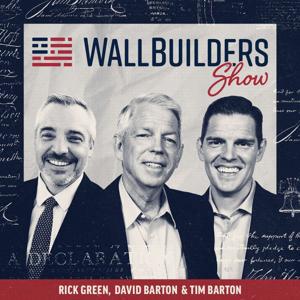

What if the line between principled debate and platforming hate is clearer than we pretend? We open with a candid look at race-based redistricting and why history suggests party-aligned maps can yield broader representation without hard-coding race. From Reconstruction lessons to modern court battles, we trace how structural fairness boosts trust in elections while reducing zero-sum identity fights.
Then Carol Swain joins us with a powerful personal turn: a faith encounter that dissolved fear and transformed a shy scholar into a candid voice. Her story reframes public courage—not as polish, but as obedience to a message bigger than ourselves. We bring that lens to today’s battleground: the surge of antisemitism, the ethics of free speech, and the difference between hearing arguments to refute them and handing megaphones to provocateurs. Curating conversations isn’t censorship; it’s stewardship of truth and community standards.
We also confront a crucial tension shaping the next decade: disillusioned young audiences are flocking to viral figures who mix valid grievances with corrosive claims. Housing costs, wage stagnation, and institutional mistrust are real; manipulative answers are not. We outline how to meet that moment—pair empathy with evidence, name moral red lines, and keep principles ahead of party. If a party drifts from life, faith, and equal justice, reform it or realign, but do not trade conviction for team loyalty.
You don’t need a PhD to speak up against poison—you need moral clarity and a willingness to lead in your own circle. If this conversation helps you find your footing, share it with a friend, subscribe for more, and leave a review so others can join the work of rebuilding courage and common sense.
Support the show
 View all episodes
 By Tim Barton, David Barton & Rick Green

4.8
21322,132 ratings
What if the line between principled debate and platforming hate is clearer than we pretend? We open with a candid look at race-based redistricting and why history suggests party-aligned maps can yield broader representation without hard-coding race. From Reconstruction lessons to modern court battles, we trace how structural fairness boosts trust in elections while reducing zero-sum identity fights.
Then Carol Swain joins us with a powerful personal turn: a faith encounter that dissolved fear and transformed a shy scholar into a candid voice. Her story reframes public courage—not as polish, but as obedience to a message bigger than ourselves. We bring that lens to today’s battleground: the surge of antisemitism, the ethics of free speech, and the difference between hearing arguments to refute them and handing megaphones to provocateurs. Curating conversations isn’t censorship; it’s stewardship of truth and community standards.
We also confront a crucial tension shaping the next decade: disillusioned young audiences are flocking to viral figures who mix valid grievances with corrosive claims. Housing costs, wage stagnation, and institutional mistrust are real; manipulative answers are not. We outline how to meet that moment—pair empathy with evidence, name moral red lines, and keep principles ahead of party. If a party drifts from life, faith, and equal justice, reform it or realign, but do not trade conviction for team loyalty.
You don’t need a PhD to speak up against poison—you need moral clarity and a willingness to lead in your own circle. If this conversation helps you find your footing, share it with a friend, subscribe for more, and leave a review so others can join the work of rebuilding courage and common sense.
Support the show
1,404 Listeners

2,568 Listeners

26,060 Listeners

173 Listeners

1,044 Listeners

5,429 Listeners

2,202 Listeners

65,586 Listeners

1,573 Listeners

1,553 Listeners

2,461 Listeners
691 Listeners
388 Listeners

13,190 Listeners

897 Listeners