
Sign up to save your podcasts
Or

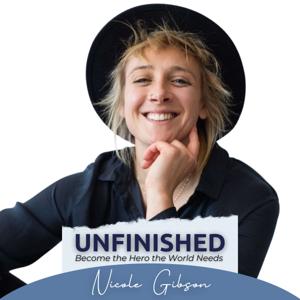


Sleep is more than just rest it's one of the most important processes your body needs to repair, recover, and heal. But what happens when you're getting 7–9 hours of sleep and still waking up exhausted?
In this insightful podcast conversation, we explore the science of sleep, hormonal health, stress management, and the body's natural recovery process. Discover why getting enough hours of sleep doesn't always guarantee proper recovery and why your body may need more than a standard eight-hour sleep schedule.
Sleep plays a crucial role in maintaining physical health, mental performance, hormonal balance, and overall well-being. When sleep is disrupted, your body's ability to recover from everyday stress can also be affected.
We dive into the connection between progesterone deficiency and sleep disturbances, the importance of sleep hygiene, and how underlying hormonal factors may contribute to poor sleep quality.
We also discuss why sleep should be viewed as having a personal 'dose'. While seven, eight, or nine hours might be sufficient for some people, others may need to address additional lifestyle factors and daily stressors to achieve proper recovery.
Modern wearable technology can provide useful insights into how well your body is recovering. Metrics such as Heart Rate Variability (HRV) and resting heart rate can help you recognize potential changes in your recovery patterns and understand when your body might be under increased stress.
IN THIS EPISODE, WE DISCUSS:
WHY SHOULD YOU PRIORITIZE SLEEP?
Your body needs adequate sleep to support its natural repair and recovery processes. Nutrition and diet may feel easier to regulate, but achieving consistent, restorative sleep can be much more challenging.
Instead of focusing only on how many hours you sleep, start paying attention to how you feel when you wake up, your daily stress levels, and your recovery patterns.
If you regularly wake up feeling tired despite spending enough time in bed, it may be worth investigating your sleep habits and discussing persistent symptoms or possible hormonal factors with a qualified healthcare professional.
The goal isn't simply to sleep longer. It's to understand what your body needs to recover better.
THE BIGGEST TAKEAWAY:
Sleep isn't a luxury or something you should compromise on. It's an essential part of your health, recovery, and well-being. Give your body the time and conditions it needs to heal.
If you found this conversation valuable, share it with someone who needs to take their sleep and recovery more seriously.
Subscribe for more insightful conversations on health, wellness, hormones, human performance, recovery, and longevity.
#SleepHealth #SleepScience #HormonalHealth #SleepQuality #Recovery #HRV #HealthPodcast #WellnessPodcast #StressManagement #BetterSleep
From the publisher's feed