
Sign up to save your podcasts
Or

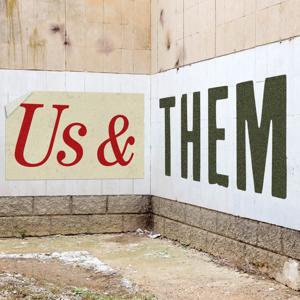

Americans are looking back to reassess their history and origins. George Floyd’s murder launched a global movement to assert the critical role that race plays in American law and society; however, even before Black Lives Matter protests swept the nation and the world, there were efforts to redefine America’s origin story. Now, there are fresh fracture points in how we see ourselves and how we teach our history. A focus of this debate is on a little-known academic and legal concept called Critical Race Theory that says that racism is inherent in our laws and institutions. The theory is not part of standard public school curriculum; however, it has become a catch-all term for efforts to include race as an element in how we teach America’s history. Some parents are against any approach that makes their children pawns in a racial legacy they say focuses too much on oppression and victimization. Once again, one of our nation’s most sensitive cultural flashpoints is evident in debates over laws and school curriculum, and who decides what students will learn about our past.
 View all episodes
 By Trey Kay and WVPB

4.6
393393 ratings
Americans are looking back to reassess their history and origins. George Floyd’s murder launched a global movement to assert the critical role that race plays in American law and society; however, even before Black Lives Matter protests swept the nation and the world, there were efforts to redefine America’s origin story. Now, there are fresh fracture points in how we see ourselves and how we teach our history. A focus of this debate is on a little-known academic and legal concept called Critical Race Theory that says that racism is inherent in our laws and institutions. The theory is not part of standard public school curriculum; however, it has become a catch-all term for efforts to include race as an element in how we teach America’s history. Some parents are against any approach that makes their children pawns in a racial legacy they say focuses too much on oppression and victimization. Once again, one of our nation’s most sensitive cultural flashpoints is evident in debates over laws and school curriculum, and who decides what students will learn about our past.

90,994 Listeners

43,898 Listeners

38,062 Listeners

43,528 Listeners
26,984 Listeners

9,237 Listeners
3,998 Listeners
8,454 Listeners

1,261 Listeners
549 Listeners

7,697 Listeners
3,970 Listeners
14,656 Listeners
20,511 Listeners

16,399 Listeners