
Sign up to save your podcasts
Or

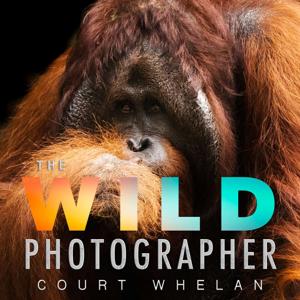

UV filters are one of those deceptively simple pieces of camera gear that somehow manage to spark wildly passionate opinions.
Some photographers swear by them. Others won’t let them anywhere near their expensive glass. And somewhere in the middle are a whole lot of people wondering, “Wait… do I actually need one of these things?”
In this episode of The Wild Photographer, we’re taking a practical, field-tested look at UV filters: what they are, why they exist, why they mattered more in the film era, and why many photographers still use them today even though digital cameras don’t really need UV filtration in the same way.
The big shift is this: for most modern photographers, UV filters are no longer about filtering UV light. They’re about protection.
A good UV filter acts like a clear, protective layer in front of your lens. It can help shield your front element from scratches, smudges, dust, rain, mud, salt spray, and the occasional “oops, that branch was closer than I thought” moment. And for photographers who travel, guide, shoot in rough conditions, or frequently clean their gear in the field, that extra layer can provide a lot of peace of mind.
But there are trade-offs. Cheap filters can potentially degrade image quality, stacking filters can cause issues like vignetting or optical weirdness, and if you’re using extremely high-end prime lenses, there’s a very reasonable argument that you may not want to place a lower-quality piece of glass in front of a truly elite lens.
So this episode is less about declaring UV filters “good” or “bad,” and more about understanding when they make sense, when they don’t, and how to shop for one if you decide to use them.
UV Filter Product Links Mentioned
Here are the UV filter brands and shopping resources mentioned in the episode:
Final Takeaway
UV filters are not magic. They will not transform your photos, make your colors explode, or really much of anything when it comes to look.
But a good UV filter can protect your lens, make cleaning easier, reduce stress in rugged field conditions, and help preserve resale value. For most lenses, especially everyday travel, wildlife, and landscape lenses, I think they’re a very smart investment.
The key is to buy a good one. Look for reputable brands, multi-coated glass, and a price point that matches the quality of the lens you’re protecting.
And when you’re stacking filters, working with ultra-premium glass, or chasing the absolute highest optical quality possible, that may be the time to take the UV filter off and let the lens do its thing.
Court's Websites
Sponsors and Promo Codes:
 View all episodes
 By Court Whelan

4.7
3434 ratings
UV filters are one of those deceptively simple pieces of camera gear that somehow manage to spark wildly passionate opinions.
Some photographers swear by them. Others won’t let them anywhere near their expensive glass. And somewhere in the middle are a whole lot of people wondering, “Wait… do I actually need one of these things?”
In this episode of The Wild Photographer, we’re taking a practical, field-tested look at UV filters: what they are, why they exist, why they mattered more in the film era, and why many photographers still use them today even though digital cameras don’t really need UV filtration in the same way.
The big shift is this: for most modern photographers, UV filters are no longer about filtering UV light. They’re about protection.
A good UV filter acts like a clear, protective layer in front of your lens. It can help shield your front element from scratches, smudges, dust, rain, mud, salt spray, and the occasional “oops, that branch was closer than I thought” moment. And for photographers who travel, guide, shoot in rough conditions, or frequently clean their gear in the field, that extra layer can provide a lot of peace of mind.
But there are trade-offs. Cheap filters can potentially degrade image quality, stacking filters can cause issues like vignetting or optical weirdness, and if you’re using extremely high-end prime lenses, there’s a very reasonable argument that you may not want to place a lower-quality piece of glass in front of a truly elite lens.
So this episode is less about declaring UV filters “good” or “bad,” and more about understanding when they make sense, when they don’t, and how to shop for one if you decide to use them.
UV Filter Product Links Mentioned
Here are the UV filter brands and shopping resources mentioned in the episode:
Final Takeaway
UV filters are not magic. They will not transform your photos, make your colors explode, or really much of anything when it comes to look.
But a good UV filter can protect your lens, make cleaning easier, reduce stress in rugged field conditions, and help preserve resale value. For most lenses, especially everyday travel, wildlife, and landscape lenses, I think they’re a very smart investment.
The key is to buy a good one. Look for reputable brands, multi-coated glass, and a price point that matches the quality of the lens you’re protecting.
And when you’re stacking filters, working with ultra-premium glass, or chasing the absolute highest optical quality possible, that may be the time to take the UV filter off and let the lens do its thing.
Court's Websites
Sponsors and Promo Codes:

696 Listeners

2,018 Listeners
414 Listeners

293 Listeners
123 Listeners
115 Listeners
119 Listeners
101 Listeners
11 Listeners
15 Listeners

6 Listeners

95 Listeners

42 Listeners
40 Listeners
29 Listeners