
Sign up to save your podcasts
Or

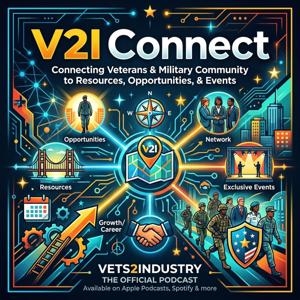


When a military family moves, changes duty stations, or adjusts to a new season of service, a spouse’s career and personal goals can end up on pause. But a move does not have to mean starting from scratch. In this episode, we’re looking at military spouse programs: what kinds of support may be available, how to find the right fit, and how VETS2INDUSTRY can help connect the military community with useful resources and opportunities.
First, it helps to know that “military spouse programs” covers a wide range of support. Depending on your circumstances, you may find career counseling, employment services, education assistance, licensing guidance, entrepreneurship resources, or help building professional connections. Some programs are tied to a particular branch, installation, or eligibility requirement, so take a moment to check who can participate and what the program offers before you invest time in an application.
Second, get clear on what you need right now. Are you exploring a new career, looking for work after a move, trying to continue a professional license in another state, or hoping to start a business? Your answer can help you narrow the search. Make a short list of your goals, current experience, and any upcoming deadlines. Then gather questions about costs, time commitments, eligibility, and whether services are available remotely. A little preparation can make conversations with program representatives far more useful.
Third, think beyond a single program. A career path might involve several kinds of support: training to build a skill, help translating experience into a résumé, and introductions to employers who understand the realities of military life. A spouse who is moving between states may need to investigate professional licensing rules as well as employment resources. And someone considering entrepreneurship may benefit from mentorship and networking alongside practical business guidance. The best next step depends on your goals, so compare options rather than assuming one resource has to do everything.
This is where connection matters. VETS2INDUSTRY shares information to help military-connected individuals access and take advantage of opportunities, and to connect with people and organizations serving the military community. You do not have to navigate every search alone. Ask questions, reach out to program staff, and talk with others who have used similar resources. Their experiences can help you learn what to expect, while your own circumstances will guide the final decision.
And keep an eye out for events. Workshops, networking sessions, and other community gatherings can offer practical information and a chance to meet people who understand the challenges military spouses face. VETS2INDUSTRY also shares up-and-coming exclusive event information, so follow its updates and check the latest details for dates, registration, and eligibility. If an event sounds relevant, register early and bring a question you’d like answered.
Most importantly, give yourself permission to explore. A program that works for one family may not be the right choice for another, and your goals may change as life changes. Start with one manageable step: identify a need, confirm the details, and contact a resource. Then build from there. Military spouse programs can open doors, but knowing where to look—and connecting with the people ready to help—can make those doors easier to find.
Military life is a family experience. Behind every service member’s career move, deployment, or transition to civilian life are loved ones navigating changes of their own. In this episode, we’re looking at military family programs: what kinds of support may be available, how to find the right fit, and how VETS2INDUSTRY helps connect the military community with useful resources, opportunities, and people who understand the journey.
First, think about what your family needs right now. Support can look different at every stage of military life. A family preparing for a move may need help finding local services, while a spouse looking for work may be focused on career coaching or professional connections. Families may also be exploring education, childcare, financial guidance, or emotional wellness resources. Starting with a specific need can make a large landscape of programs feel more manageable. Write down your questions, who needs support, and when you need it.
Second, check the details before investing time in an opportunity. Programs can differ in eligibility, location, timing, and application steps. Some may be available to service members, spouses, children, caregivers, or veterans; others may have specific requirements. Look for current information from the organization responsible for the program, and confirm what documents or deadlines apply. If something is unclear, reach out and ask. A short conversation can help you understand whether a program is relevant and what to do next.
Third, don’t overlook career and education resources for military spouses and other family members. Frequent moves and changing schedules can make it harder to build a traditional career path, but that doesn’t mean you have to navigate it alone. Workshops, job-search support, training opportunities, and professional networks can help you explore your options and meet people with practical experience. As you compare resources, consider what works with your schedule, location, and goals—and whether the support continues beyond a single event or application.
That’s where connection matters. VETS2INDUSTRY helps the military community discover information, access opportunities, and connect with individuals and organizations serving service members, veterans, and their families. The goal is to make it easier to find a useful next step—not to suggest there’s one program that fits everyone. A conversation with the right person, or a timely introduction to a resource, can help turn a search into a plan.
And keep an eye out for what’s coming up. VETS2INDUSTRY shares information about upcoming exclusive events that can introduce you to resources, organizations, and people supporting the military community. Events are a chance to learn, ask questions, and make connections in real time. Check the latest announcements for current dates and registration details, and consider sharing them with a family member or friend who might benefit.
Military family programs can offer practical support, but finding them often starts with knowing what to ask and where to look. Take one need at a time, verify the details, and reach out when you need guidance. Through information, opportunities, and community connections, VETS2INDUSTRY is here to help military families take the next step with greater confidence.
When you hear “veteran conferences,” you might picture a packed schedule, a crowded expo hall, and a lot of business cards. But the right conference can be much more than a networking event. It can help you discover career options, learn about benefits and support services, and meet people who understand the military community. In this episode, we’re talking about how to find opportunities that fit your goals—and how VETS2INDUSTRY can help you connect the dots.
First, think about what you want to get out of attending. Are you exploring a career change, looking for a mentor, hoping to learn about entrepreneurship, or searching for resources for your family? Different conferences serve different purposes, so take a little time to review the agenda, speakers, exhibitors, and audience before you commit. A focused goal helps you choose sessions that matter and makes it easier to start conversations. You don’t need to know exactly what comes next; even one useful introduction or a clearer understanding of your options can make the day worthwhile.
Second, prepare before you arrive. Check the event details, decide which sessions you want to attend, and write down a few questions you’d like answered. If you’re exploring employment, be ready to describe your experience in clear, civilian-friendly language. If you’re seeking support, identify what kind of resource you need so you can ask for the right contact or next step. And remember, networking doesn’t have to feel like a sales pitch. A simple introduction—who you are, what you’re exploring, and what you’d like to learn—is a strong place to begin.
Third, make room for the conversations that happen between sessions. A panel may offer helpful information, but a one-on-one conversation can help you understand how that information applies to your situation. Talk with other veterans, military spouses, employers, nonprofit organizations, and people who serve the military community. Ask what they do and what they recommend. You may discover an opportunity you hadn’t considered, or meet someone who can point you toward a more specialized resource. Be curious, listen closely, and don’t worry about meeting everyone in the room.
And after the conference, follow through. Send a brief note to the people you connected with, thank them for their time, and mention something specific you discussed. Organize any resources you collected and choose one or two practical next steps. That might mean researching a program, scheduling a conversation, or applying for an opportunity. A conference can open a door, but consistent follow-up is often what helps you walk through it.
That’s where staying connected matters. VETS2INDUSTRY helps the military community access information, resources, and opportunities, while connecting people with individuals and organizations serving veterans, service members, and their families. We also share information about upcoming exclusive events, so you can keep an eye out for opportunities that may align with your goals. Veteran conferences aren’t just dates on a calendar—they’re chances to learn, build relationships, and take your next step. Come prepared, stay open to conversation, and keep the connection going once the event ends.
Welcome to our episode on veteran mentorship. Transitioning from military service into civilian work can bring exciting possibilities, along with questions that are hard to answer alone: Which skills will employers value? How do you choose an industry? What should you expect from networking or an interview? A good mentor can help make those questions easier to navigate. At VETS2INDUSTRY, we connect the military community with resources, opportunities, and people who understand the journey. Today, we’re looking at how to make veteran mentorship useful, practical, and grounded in your own goals.
First, get clear on what you want from the relationship. “Help me find a job” is a big request; “I’m exploring project management and would value your perspective on the skills employers look for” gives a mentor a helpful place to start. You might want to learn about a particular career field, strengthen your résumé, practice explaining your military experience, or build confidence in professional networking. Your goals can change over time, and that’s fine. A focused first conversation simply helps both people use their time well.
Second, look for a mentor whose experience connects with your questions—not necessarily someone with the same military background or career path. A veteran who has made a similar transition may understand familiar challenges, while an industry professional can offer insight into workplace expectations and current opportunities. Mentorship isn’t about finding someone who can make decisions for you or promise an outcome. It’s a chance to learn from another person’s perspective, consider options, and make more informed choices for yourself.
Third, make the relationship collaborative. Come prepared with a few questions, listen closely, and follow through on any next steps you agree to. If a mentor suggests updating your résumé or contacting someone in a field you’re exploring, take action—and let them know what you learned. Respect their time, communicate when plans change, and be open to feedback. You don’t need to have everything figured out before reaching out. Showing curiosity, preparation, and appreciation goes a long way.
Finally, remember that mentorship can happen in many forms. It might be a regular one-to-one conversation, a brief introduction, a professional event, or a single exchange that gives you a useful new perspective. VETS2INDUSTRY shares information to help the military community access resources and connect with individuals and organizations serving that community. Keep an eye out for upcoming exclusive events, too: they can be a valuable place to meet people, ask questions, and discover opportunities you might not have found on your own.
Veteran mentorship works best when you approach it with a goal, an open mind, and a willingness to take the next step. You bring experience, strengths, and insight of your own; a mentor can help you recognize how those assets may translate into a new setting. Whether you’re preparing for a transition, exploring a career change, or building your professional network, you don’t have to navigate every question by yourself. Stay connected with VETS2INDUSTRY for resources, connections, and event information that can help you move forward.
Welcome to VETS2INDUSTRY. Today, we’re talking about veteran grants: what they are, where opportunities may come from, and how to approach the search with a clear plan. A grant can help support education, a business, housing-related needs, or a community project—but the right opportunity depends on who’s applying and what the funding is meant to accomplish.
First, remember that “veteran grant” isn’t one single program. Some grants are available to veterans directly, while others are designed for military spouses, caregivers, nonprofit organizations, or businesses that employ or serve veterans. There may also be education awards, entrepreneurship programs, and local or state initiatives. Eligibility can depend on factors such as location, service history, income, enrollment, business structure, or the project itself. So before you spend time on an application, read the requirements carefully and make sure the grant matches your situation.
Next, start with a specific goal. Are you looking for help paying for training? Funding to launch or grow a business? Support for a nonprofit serving the military community? A clear goal makes it easier to narrow your search and identify the right questions to ask. Check official government, school, foundation, and program websites for current details. Grant availability and deadlines can change, so confirm information with the organization that actually administers the funding rather than relying on an old post or a forwarded message.
Then, prepare before you apply. Many applications ask for the same basics: a description of your goal, a budget, supporting documents, and an explanation of how the funding will be used. For a business or community project, you may need a plan that spells out the need, the intended impact, and how you’ll track results. Give yourself time to gather records and follow every instruction. A strong application isn’t just persuasive—it’s complete, specific, and submitted by the deadline.
It’s also important to watch for misleading offers. Be cautious if someone guarantees you’ll receive grant money, pressures you to act immediately, or asks for sensitive information before you’ve verified who they are. Search for the organization independently, confirm that the program exists, and contact the administrator through its official channels. Remember, a grant may come with conditions, reporting requirements, or restrictions on how funds are spent. Understand those responsibilities before accepting an award.
This is where VETS2INDUSTRY can help you take the next step. We connect the military community with useful information, opportunities, and people who are serving veterans, service members, and their families. We’re here to help you discover resources and learn how to pursue them—not to promise that any particular grant is available or that you’ll qualify. Keep an eye out for our upcoming exclusive events, too. They’re a chance to hear from knowledgeable organizations, ask questions, and make connections that can move your search forward.
So, when you hear “veteran grants,” think of it as a search that starts with your goal, continues with careful research, and gets stronger with preparation and trusted connections. Take it one opportunity at a time, verify the details, and stay connected with VETS2INDUSTRY for resources and events designed to help the military community find its next step.
Welcome to VETS2INDUSTRY, where we help the military community find practical resources, meaningful connections, and opportunities worth knowing about. Today, we’re talking about veteran scholarships: how to find them, how to understand who can apply, and how to make a strong plan for paying for education or career training. Scholarships can make a real difference, but finding the right ones often takes more than a quick search.
First, remember that “veteran scholarship” can mean several things. Some awards are specifically for veterans, while others are open to active-duty service members, National Guard and Reserve members, military spouses, or children of service members. You may also find scholarships tied to a particular school, field of study, career goal, service history, or community organization. Before you start an application, read the eligibility requirements carefully. Check details such as enrollment status, program type, deadlines, residency, and whether the scholarship can be combined with other education benefits.
Second, build a focused search rather than applying to everything you see. Start with your school’s financial aid office, veterans’ services office, or career training program; staff may know about institutional awards and local opportunities. Then explore trusted nonprofit organizations, professional associations, employers, and community groups that support the military community. VETS2INDUSTRY can help you connect with information and individuals serving that community, so you don’t have to navigate every step alone. A useful next move is to keep a simple list of opportunities, eligibility rules, application materials, and deadlines.
Third, give your application time and care. Many scholarship applications ask for a personal statement, references, transcripts, or proof of service or family relationship. Tell your story clearly: explain what you hope to study, why it matters to your goals, and how your experiences have prepared you. You don’t need to share more personal information than the application requires. Ask a trusted mentor, school adviser, or fellow service member to review your materials, and request recommendations well before the deadline. A complete, thoughtful application is easier to assess than one submitted at the last minute.
It’s also wise to protect your time and personal information. Be cautious of offers that promise guaranteed funding, demand a fee just to apply, or pressure you to act immediately. Verify the organization and the scholarship’s terms through reliable sources. And remember that scholarships are only one part of an education funding plan. Depending on your circumstances, you may also want to ask a qualified school or benefits representative about other education benefits and how different forms of aid may interact.
Finding veteran scholarships is a process, but you don’t have to do it in isolation. Keep an eye on VETS2INDUSTRY for resources, connections, and information about upcoming exclusive events that can help you meet people supporting the military community. Start with one opportunity, check the requirements, and take the next step. The right information and a strong support network can make the path forward feel much more manageable.
When someone serves in uniform, the impact reaches far beyond one person. Families, caregivers, and entire communities are part of the journey—and when service ends, finding the right support can make a real difference. In this episode, we’re talking about veteran charities: how they help, how to find the right fit, and how the military community can connect with organizations and opportunities that serve them.
First, remember that “veteran charity” covers a wide range of work. Some organizations focus on housing, food, or emergency assistance. Others support mental health, family wellness, education, career development, or navigating benefits. The best resource for you depends on what you need right now. Start by naming the challenge you’re trying to solve, then look for organizations that specialize in that area. If you’re helping a loved one, ask what kind of support they want before reaching out on their behalf.
Second, take a moment to check that an organization is a good fit. Look for clear information about its programs, who is eligible, how to apply, and what documentation may be needed. A charity’s website or direct staff contact can help clarify whether its services are available in your location and whether there are waitlists or deadlines. You can also look for public information about the organization’s leadership, finances, and outcomes. Asking questions is not ungrateful—it’s a practical way to make sure your time, trust, and any donation are supporting work that aligns with your goals.
Third, make the most of the support that is available. Some organizations offer more than one service, or can connect you with a partner that provides what they don’t. When you reach out, explain what you’re looking for and ask about next steps, eligibility, timelines, and whether there’s a person who can guide you through the process. Keep notes, save contact details, and follow up if you don’t hear back. If you’re not sure where to begin, ask a trusted veteran service professional or community organization for a referral. You don’t have to figure everything out alone.
And support doesn’t only mean receiving services. Veterans, military spouses, caregivers, and supporters can also contribute through volunteering, mentoring, sharing accurate information, or taking part in community events. Before giving money or personal information, verify that you’re communicating with the organization through an official channel. Thoughtful participation helps strengthen the network of people and organizations working to serve the military community.
That’s one reason VETS2INDUSTRY exists: to connect the military community with useful resources, opportunities, and people who are serving alongside them. We share information to help you understand how to access support and take advantage of opportunities, and we highlight up-and-coming exclusive events you won’t want to miss. Stay connected with VETS2INDUSTRY for announcements and updates, and share helpful resources with someone who may need them. The right connection can be a meaningful first step—and sometimes it’s closer than you think.
Welcome to VETS2INDUSTRY, where we help connect the military community with resources, opportunities, and people who are ready to support the next step. Today, we’re talking about military programs: how to find the ones that fit your needs, make the most of what they offer, and stay connected to the community around them.
First, knowing where to begin can make a big difference. Military-connected people may be looking for career guidance, education options, transition support, or practical help for their families. The challenge is that useful information can be spread across many organizations and websites. VETS2INDUSTRY helps bring awareness to resources serving the military community and shares information on how to access them. Start with the goal you have in mind, then look for programs designed to support that specific need. A clear starting point can make a complicated search feel much more manageable.
Second, finding a program is only the first step. To take advantage of an opportunity, pay attention to eligibility requirements, application steps, deadlines, and what support is included. If something isn’t clear, reach out to the organization offering the program and ask direct questions. You might ask who the program is intended for, what documents you’ll need, and what happens after you apply. Taking a few minutes to confirm the details can help you decide whether a resource is the right fit and avoid missing an important step.
Third, relationships matter. Programs can provide valuable services, but connecting with people who understand the military community can also offer guidance, encouragement, and a clearer sense of what to do next. VETS2INDUSTRY helps introduce listeners to individuals and organizations serving veterans, service members, military spouses, and their families. When you make a connection, share what you’re working toward and be specific about the kind of information or support you need. A thoughtful conversation can help you discover resources you might not have found on your own.
And keep an eye on what’s coming up. VETS2INDUSTRY shares information about up-and-coming exclusive events that bring the military community and the people who support it together. Events can be a chance to learn about opportunities, hear from knowledgeable guests, and make connections in real time. Check the details early, note any registration requirements, and plan what you’d like to learn or ask. Showing up with a question or goal can help you get more out of the experience.
The world of military programs can feel like a lot to navigate, but you don’t have to do it alone. Start with the support you need, confirm the details, connect with people who serve the community, and stay informed about upcoming events. VETS2INDUSTRY is here to help you find the information and connections that can move you forward. Keep exploring, keep asking questions, and don’t miss the opportunities designed for you and your community.
Finding the right support after military service can feel like a job in itself. There are programs, career opportunities, community organizations, and events out there—but knowing where to begin, and who to ask, can make all the difference. In this episode, we’re talking about military assistance and how VETS2INDUSTRY helps connect the military community with useful resources, opportunities, and people who are ready to serve.
First, military assistance is most helpful when it’s practical and easy to act on. Veterans, transitioning service members, military spouses, and families may be exploring career options, seeking community support, or trying to understand which resources fit their situation. VETS2INDUSTRY helps make that search more manageable by sharing information about opportunities and where to look next. Instead of trying to sort through everything alone, you can use the information as a starting point, then follow up directly with the organizations offering the support.
Second, access matters. A resource only helps if you know it exists and understand how to take advantage of it. When you come across an opportunity, take a moment to check who it’s designed for, what the next step is, and whether there are deadlines or requirements. Reach out to the organization with questions when details aren’t clear. A little preparation can help you make the most of a program, event, or career connection—and help you decide whether it’s the right fit for you.
Third, people are an essential part of military assistance. Connecting with individuals who serve the military community can help turn information into meaningful action. A conversation may point you toward a resource you hadn’t considered, offer insight into an industry, or help you feel less alone during a major transition. VETS2INDUSTRY brings attention to these connections and helps create opportunities for members of the military community to engage with people and organizations that understand the challenges and possibilities ahead.
And keep an eye out for exclusive events. Events can be a valuable way to hear directly from organizations, learn about opportunities, and meet others who share your interests or experiences. VETS2INDUSTRY shares information about up-and-coming events, including opportunities you may not want to miss. Check announcements as they’re shared, note dates and registration details, and sign up early when a spot or deadline matters. Even attending one event can introduce you to useful information and new connections.
The big takeaway is that military assistance isn’t one-size-fits-all. The best next step depends on what you need, what you’re working toward, and which people or organizations can help you get there. VETS2INDUSTRY is here to help the military community discover resources, pursue opportunities, and stay connected to events and individuals serving the community. Start with one question, explore one opportunity, or make one new connection. That small step could open the door to something meaningful.
Military life is built on teamwork, but finding the right support or next opportunity can sometimes feel like a solo mission. Whether you’re transitioning out of service, building a new career, supporting a military-connected family member, or looking for ways to give back, knowing where to turn makes a difference. In this episode of Military Connections , we explore how VETS2INDUSTRY helps bring the military community closer to valuable resources, opportunities, and the people working to support them.
First, connection starts with knowing what’s available. The military community can encounter a wide range of programs and services, from career and education opportunities to practical support for veterans, service members, and their families. But information is only useful when you can find it and understand how to act on it. VETS2INDUSTRY helps share information that can point you toward relevant resources and give you a clearer idea of what steps to take next. Think of it as a starting point for exploring options—not a reason to wait for the perfect moment. If something sounds useful, follow up, check the details, and find out whether it fits your needs.
Second, it’s not just about learning that an opportunity exists. It’s about understanding how to take advantage of it. That might mean identifying eligibility requirements, learning how to apply, or figuring out what questions to ask before you get started. Taking a few practical steps can turn a promising lead into real progress: gather the information you need, make contact, and keep track of any deadlines or follow-up actions. Each person’s path is different, so give yourself room to compare choices and decide what works for your goals.
Third, strong military connections are built person to person. Behind many resources are individuals who understand the community and are committed to serving it. Connecting with those people can help you learn from their experience, get pointed toward relevant support, and feel less alone as you navigate a transition or pursue a new direction. You don’t need to have every detail figured out before reaching out. A thoughtful question or a simple introduction can be the beginning of a meaningful conversation. And when you find information that could help someone else, sharing it is one more way to strengthen the community.
Finally, keep an eye out for what’s coming up. VETS2INDUSTRY shares information about upcoming exclusive events you won’t want to miss—opportunities to learn, connect, and discover what may be available to you. Event details can change, so check the latest announcements for timing, access, and any steps needed to participate. If an event sounds relevant, make a plan to attend and come ready with questions. A single conversation can introduce you to a resource or person you might not otherwise have found.
Military connections are more than names in a directory. They’re pathways to information, relationships, and opportunities that can help you move forward. Explore what VETS2INDUSTRY shares, take the next step that makes sense for you, and stay connected to the people and events serving the military community. Your next useful conversation—or opportunity—could be closer than you think.