
Sign up to save your podcasts
Or

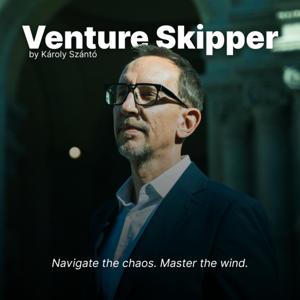


In this episode, Karoly Szanto speaks with Peter M Kovacs and Thijmen Meijer about the real reasons European university spin-offs struggle to become venture fundable.
Topics we cover:
Europe’s commercialization gap and why it is biggest in Central and Eastern Europe
Why only a minority of spin-offs ever become investable
The mindset issue: waiting for somebody else to make things happen
How to build investor readiness through clear milestones and a measurable North Star
Team design, role clarity, and why founders sometimes need a different CEO profile
Clinical validation, de-risking, and ecosystem building as the path to real traction
Why “we raised money” is not the real headline
A practical takeaway: If money is not a constraint, what is the best version of your venture? Then ask: what part of that can you achieve without money, starting next week?
If you build, fund, or support deep tech, biotech, or medtech ventures, this is for you.
Timecode:
00:00 Introduction and Meeting the Guests
00:16 Challenges Faced by European Startups
04:44 The Importance of Mindset in Commercialization
07:43 Building Effective Teams for Startups
14:04 Investment Challenges and Opportunities
17:15 The Role of Clear Goals and Milestones
21:40 The Investor's Perspective
25:26 Introduction to Portfolio Companies
25:45 The Need for New Investment Models
26:05 Technological Boom and Efficiency
26:29 Building Companies for Impact
27:30 Challenges in Deep Tech Investment
27:50 Value-Driven Founders
29:12 Operational Models and Risk Mitigation
30:50 Identifying Good Partners
32:55 Scaling Up and Future Goals
33:43 Investor and Founder Dynamics
37:09 Cultural Differences in Startups
46:40 Lab Space and Resource Challenges
49:39 Networking and Collaboration
51:57 Preparing for Global Markets
Links:
Karoly Szanto LinkedIn: https://www.linkedin.com/in/karolyszanto1/
Karoly Szanto Personal Website: https://www.karolyszanto.com/
UniPrisma: https://uniprisma.com/
In this episode of Venture Skipper, I talk with Thijmen Meijer about how UniPrisma actually started. Not as a theory, but as a response to real gaps in early-stage venture building.
We discuss the inefficiencies we both saw when working with founders. The pressure of fundraising. The lack of hands-on support. The mistakes founders make when they are pushed to focus more on investors than on customers. And the missing collaboration in the university spinoff ecosystem.
You will hear why we created a venture studio that co-builds with founders. How we help startups become investable. How we help them use the investment well. And why connecting the right investors around each company matters more than filling a cap table.
We also talk about the need for a platform that connects university venture capital actors, share playbooks, and builds a more aligned ecosystem for research-based ventures.
This is the real origin story of UniPrisma. Simple, practical, grounded. It was born from gaps we both refused to ignore.
Timecode:
00:00 Introduction to UniPrisma
00:37 Identifying the Inefficiency Gap
01:30 Building Ecosystems for Startups
02:51 Making Startups Investment Ready
03:29 The Importance of Market Intelligence
08:15 The Origin Story of UniPrisma
14:29 The Role of Talent in Startup Success
15:39 Challenges in University Spin-offs
17:31 The Future of University Venture Capital
Links:
Uniprisma: https://uniprisma.com/
In this episode of Venture Skipper, I explore why early-stage ventures feel chaotic and why this is not a problem but a signal. I talk about my own story, from navigating family crisis as a teenager to crossing the Atlantic as a sailor, and how these moments shaped my approach to innovation.
We dive into why founders need to obsess over customer pain, not product features. Why limited resources are your greatest teacher. Why gut feeling is simply pattern recognition. And why responsibility is the foundation of real progress.
If you are an investor, a builder, or a founder trying to find direction in uncertainty, this episode will help you read the chaos instead of fighting it.
Listen, reflect, and stay in the storm long enough for clarity to appear.
Timecode:
00:00 Embracing Chaos: My Journey Begins
01:33 The Role of Chaos in Innovation
02:29 Focusing on the Client's Pain Points
05:54 The Lean Approach to Startups
07:57 Learning and Adapting Through Experience
08:51 Trusting Gut Feelings in Decision Making
11:19 The Power of Asking the Right Questions
Links:
Uniprisma: https://uniprisma.com/
In this episode of Venture Skipper, I break down how I evaluate founders long before any investment is on the table. This is not about pitch decks, market slides, or polished storytelling. It is about presence, truth, and the ability to build a shared narrative under pressure.
I explain:
How I read founders in the first meeting.
Why I begin with trust, not skepticism.
How I deep research process tests the real assumptions behind a thesis.
Why most founders fail the conversation that follows.
How strong opinions combined with flexibility create a real partnership.
Why the early stage is won or lost through character, not perfection.
If you want a candid look into the mental models behind venture building, this episode will give you a clear, honest view of what separates founders who break from founders who build.
Listen if you value depth, truth, and the kind of clarity that does not come from playbooks.
Timecode:
00:00 Introduction: Deep Dive into Interests
00:51 Evaluating Startups: The Human Element
01:50 The Importance of Due Diligence
02:33 Research and Frameworks
03:59 The Critical Conversation with Founders
04:32 Building Meaningful Partnerships
05:21 Decision-Making and Human Factors
05:58 Conclusion: Achieving Success Beyond Business
Links:
Uniprisma: https://uniprisma.com/
In this episode of Venture Skipper I go back to the beginning.
No pitch, no slides.
Just the real story behind how a boy from Budapest, shaped by Libya, family collapse, and national league sailing, became a venture builder and fund architect working with founders, universities, and investors across the globe.
I share:
How moving to North Africa at seven broke my bubble and trained me to think beyond one truth.
What carrying financial responsibility for my family as a teenager taught me about crisis, character, and ownership.
Why sailing, including an Atlantic crossing, became the foundation of my leadership and my way of reading risk.
How I accidentally entered sales, then international business, and discovered I could build trust based on honesty instead of theatre.
How I moved into venture capital, co created funds and accelerators, and why I became dissatisfied with traditional VC behavior.
Why I founded UniPrisma to co build with serious founders, authentic investors, and institutions who want structure without politics.
This episode is for investors who are tired of polished narratives, founders who have been through real storms, and builders who want to work with someone who cuts through the noise and stands in the boat with them.
If you want to understand how I think, how I decide who to work with, and why I believe in structure as flow, not cage, start here.
Timecode:
00:00 – Introduction: A Sailor’s Beginning
00:31 – Moving to North Africa: The First Big Shift
01:00 – Discovering Sailing and the Meaning of Responsibility
02:19 – Forces Greater Than You
02:50 – The End of a Dream
03:52 – Six Years Away from the Water
04:16 – An Introvert’s Bet: Entering Sales
05:07 – Lessons from Danish Mentors
06:05 – From Candles to Code: Transition into IT
07:00 – A Global Career Across 50 Countries
07:28 – Discovering Venture Capital
08:14 – Building Ventures and Funds
09:13 – The Gap in the Startup World
09:49 – The Birth of UniPrisma
10:16 – Closing Reflections: Taking Risks Together
Links:
Uniprisma: https://uniprisma.com/
From the publisher's feed